


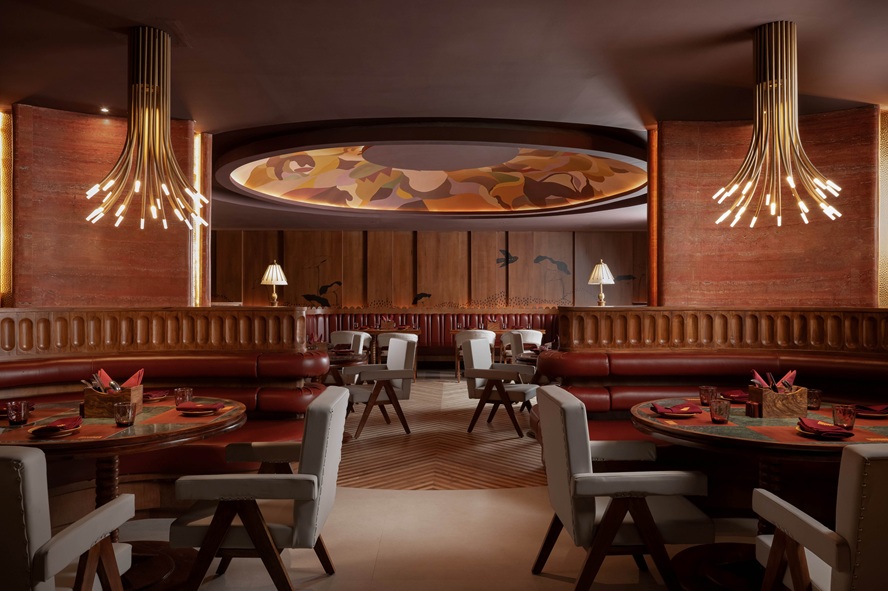
Bengaluru: Indian vegetarian food has always been abundant, diverse, and deeply rooted in regional produce and culinary traditions. What is changing is the way it is experienced. As diners increasingly look for more thoughtful, produce-led, and contemporary vegetarian experiences, vegetables, grains, legumes, spices, and indigenous ingredients are moving from the supporting act to the centre of the plate. Druma, a new 60-cover vegetarian dining destination in Jayanagar, Bengaluru, enters this evolving landscape with a simple belief: good food does not need to perform to be exceptional.
Spread across 2,100 sq. ft., Druma is built around the idea of “humble dining” — not humble in ambition, but in approach. It is a philosophy rooted in the belief that when the produce is good, the cooking is thoughtful, and the flavours are honest, food doesn’t need unnecessary theatre. Every ingredient is handpicked with the same care one would bring to preparing a meal for someone they love; if the produce isn’t right, the dish doesn’t happen.
The name Druma is inspired by the Druma tree, which becomes a natural metaphor for the restaurant’s philosophy. A tree remains rooted in the soil from which it grows, yet constantly evolves with the seasons. It offers nourishment, shade, and a sense of continuity, eventually becoming part of the landscape and the memories associated with it. Druma takes the same approach to food, rooted in where we come from while remaining open to where food can go next.
This idea of being rooted without being restricted is reflected in the cuisine. Rather than defining itself by one region or culinary tradition, Druma moves across Indian, South Indian, Pan-Asian, and global influences, creating a menu that reflects the way contemporary diners eat today. Familiar flavours and regional references sit alongside influences from further afield, allowing comfort and curiosity to exist at the same table.
The menu moves effortlessly from Ghee Roast, Chettinad Paneer, Gongura Paneer Koora and Alleppey Mango Curry to Mapo Tofu, Thai Curry, Tofu Katsu Curry and Mushroom Ricotta Ravioli. The intent isn’t to force these cuisines together, but to allow each to retain its character while creating a vegetarian repertoire that feels expansive, relevant, and accessible.
