


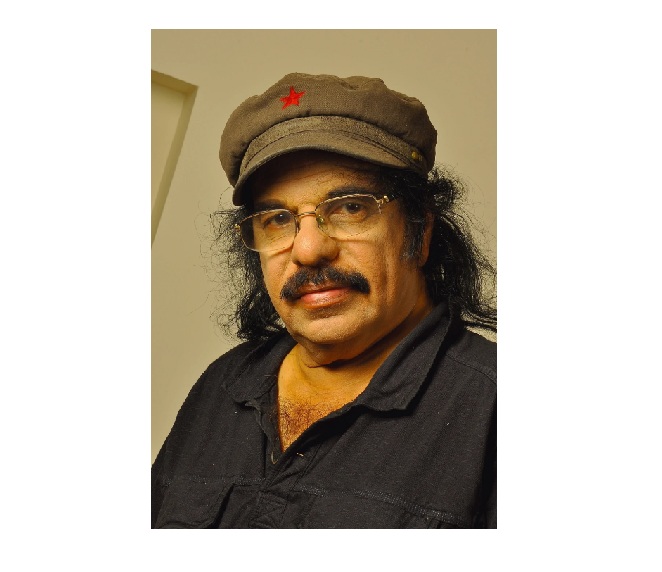
Nataraja Krishnamoorthy—known to the world as Surya Krishnamurthy, or simply Soorya—passed away in Thiruvananthapuram on 23 September 2026. He was 78. With him ended a rare life that joined the exactitude of space science to the boundless hunger of art.
Born in Kottayam and raised in the capital, he trained as an electrical engineer at TKM College, Kollam, and joined ISRO in 1972. For more than two decades he worked among the generation that included A.P.J. Abdul Kalam. Then, in a decision that altered Kerala’s cultural map, he chose another orbit. He left a secure, prestigious career in space science and, in 1977, founded the Soorya Stage and Film Society. What began as modest film screenings grew into one of the world’s longest-running cultural festivals—more than a hundred consecutive days, recognised by the Limca Book of Records, stretching across dozens of cities and more than twenty countries, run without a corporate office or salaried staff.
He did not merely organise. He invented. Kerala’s first light-and-sound spectacle, Veluthampi Dalawa, bore his signature. He brought Hindustani music, Kathak and Odissi into living rooms and public halls that had rarely heard them. As playwright and director he gave Malayalam theatre Melvilasom, staged hundreds of times and later filmed from his own screenplay. He served as chairman of the Kerala Sangeetha Nataka Akademi and as director of the Kerala State Film Development Corporation. The President of India honoured him with the National Award for Stage Craft and Direction; Kerala gave him the Kerala Prabha; Tamil Nadu the Kalaimamani.
Yet the true measure of the man was not the citations. It was the evenings when a homemaker sat beside a visiting maestro, when a folk artist from a distant village shared a stage with an international dancer, when light and sound and story were offered freely because he believed culture belonged to everyone. He took art to the common man and the common man to art. That was his quiet revolution.
The lights he designed will dim. The festival will continue because he built it to outlast him. But the particular warmth of his presence—the scientist who never stopped being an artist, the organiser who never stopped being a believer—is gone.
Kerala has lost its cultural sun. The sky he lit remains. Farewell, Murthy. The stage you raised still waits for the next performance. You taught us how to keep the lamps burning.
