

Union Home Ministry Tenders Unconditional Apology to Supreme Court in Delhi Protest Contempt Case

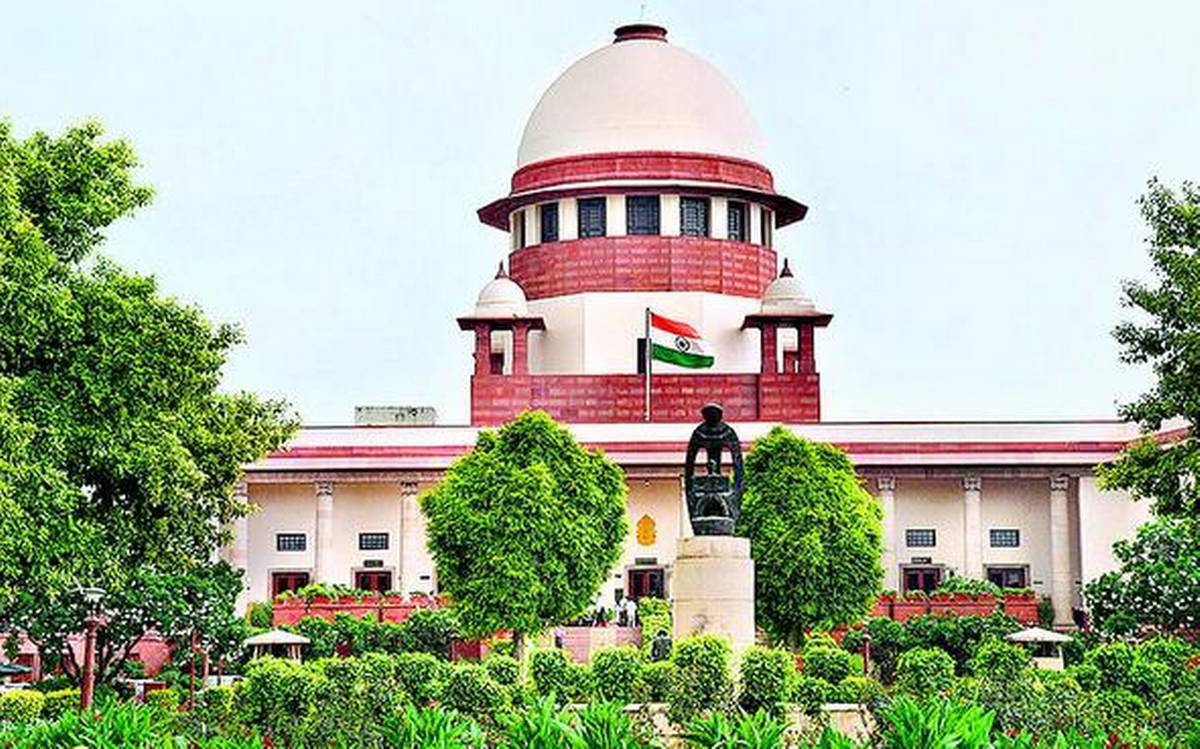
New Delhi: Union Home Secretary Govind Mohan has tendered an unconditional and unqualified apology to the Supreme Court in a contempt case over restrictions imposed during the October 10 protest in Delhi, while maintaining that there was no wilful violation of the court’s orders.
In an affidavit filed late on Wednesday night, Mohan said the measures, including the temporary suspension of cellular internet services, were taken to prevent any disturbance to public order. He sought discharge from the contempt proceedings and requested the court to modify its October 11 directions to allow such suspensions in situations of necessity, subject to statutory safeguards.
The contempt notices were issued on October 11 to Mohan, Delhi Police Commissioner Anurag Kumar and Delhi Metro Rail Corporation Chairperson D. Thara after the court found a prima facie case of violation of its October 9 order. That order had directed that there should be no complete prohibition on Metro and train services and that internet facilities should function unhindered, subject to law.
The October 10 protest had been called by the Cockroach Janta Party demanding the resignation of Chief Election Commissioner Gyanesh Kumar over alleged irregularities in the Special Intensive Revision of electoral rolls. Permission for the gathering at Jantar Mantar was refused, and heavy security arrangements were put in place.
Mohan stated that the Delhi Police’s request for suspension of cellular internet services was examined and found to be a proportionate measure given the magnitude of the situation. The suspension, he said, was limited to cellular internet within a four-kilometre radius of Raisina Hills from 10 pm on October 9 to 10 pm on October 10. Wi-Fi, broadband and other non-cellular services remained unaffected.
He described limited and geographically confined internet suspension, subject to statutory safeguards, as a recognised measure for maintaining public order. In a separate affidavit, Police Commissioner Anurag Kumar also tendered an unconditional apology while defending the restrictions and detentions, stating that those detained were kept in makeshift centres, given meals and released within hours.
Later on Thursday, the government clarified that the phrase “unconditional and unqualified apology” is standard language used in affidavits responding to contempt notices and does not amount to an admission of wrongdoing. It said the affidavits thereafter detailed facts to show that the actions were in accordance with law.
The matter is listed for further hearing before a bench headed by Chief Justice Surya Kant. The case has brought into focus the balance between the right to protest and the administration’s powers to maintain public order in the national capital.
