

Mayor of Megaphones: V. V. Rajesh Declares Thiruvananthapuram “Waterlogging-Free” — Nature Immediately Disagrees

By Nanditha S
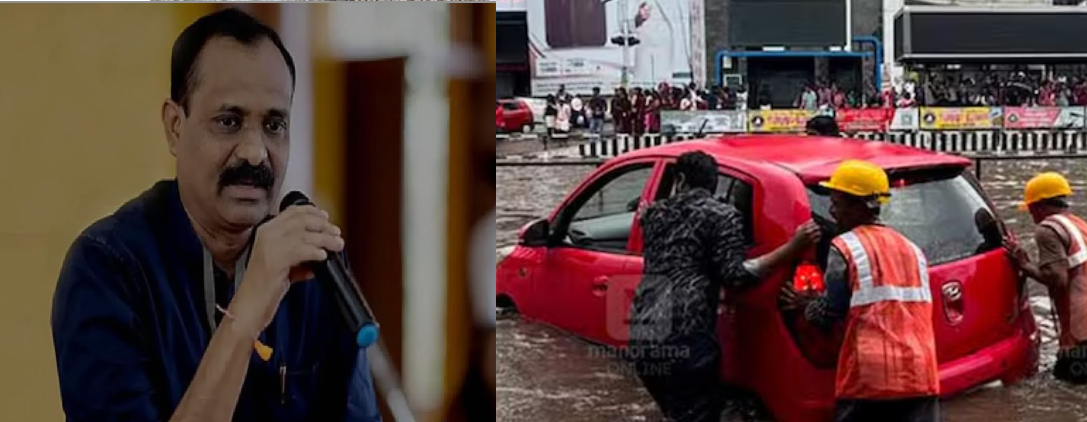
In the grand tradition of BJP civic leadership that measures success by the volume of the claim rather than the dryness of the road, Thiruvananthapuram Mayor V. V. Rajesh has once again treated the city’s drainage system as a speech-writing exercise. Hours after he was heard booming that the capital had been liberated from waterlogging and waste—“We have sorted the drains; the city is clean; soon it will look like Gujarat”—a routine heavy downpour turned Thampanoor railway station, the bus station approaches, East Fort and half a dozen other busy stretches into open sewers. Commuters waded through wastewater while the mayor’s latest triumph was still fresh on the airwaves. It was less a civic achievement than a live demonstration of how quickly a loud claim can be drowned.
Since taking charge in December 2025, Rajesh has specialised in announcements that evaporate at the first real test. He has promised to turn the city into one of India’s three most developed urban centres within five years. “In five years, people will forget the old Thiruvananthapuram. We will deliver the Gujarat model right here—clean streets, world-class infrastructure, zero waterlogging,” he has said. Residents have received press notes, official trips (he was in Goa when the latest flooding hit), and the familiar sight of drains blocked by leaves and plastic.
The recent inundation was especially revealing. Nearly a day’s rain fell in about an hour. The mayor’s response was predictable: blame the intensity of the rain, the narrow design of the drains, dry leaves, plastic waste, and the previous LDF regime. “This is not our failure. The earlier rulers ruined the city for forty years. Our drains are fine; nature just tested us,” he effectively argued. Past governments left deep problems, but that does not excuse a mayor who spent months talking about revolutionary change while the same old waterlogging returned to the city’s busiest nodes. If this is the Gujarat model, residents are still waiting for the version that keeps roads open after ordinary monsoon rain.
Rajesh’s résumé is that of an organisational man—district president, state secretary, second-term councillor, lawyer by training—not someone with proven experience running a major corporation. The inexperience shows in the gap between rhetoric and execution. Loud claims about ending waterlogging sound impressive until the next cloudburst turns Thampanoor into a canal and forces police to clear blocked drains the corporation should have handled. The same pattern appears on waste management: announcements of war rooms and clean-ups, followed by the same flooded streets and complaints that the promised transformation has not materialised.
The BJP’s historic win in the corporation was sold as the start of a new era of development and accountability. Under Rajesh it has so far looked more like the old era with a new set of slogans. “We have people to guide us and a clear vision,” he has insisted. Vision, however, does not unclog drains. Until the mayor and his administration can keep the roads around Thampanoor dry after ordinary rain, the boasts will continue to sound hollow, and the sarcasm from frustrated residents will keep rising with the water. Tall claims about matching Gujarat’s standards or joining the ranks of India’s most developed cities remain just that—claims, washed away by the first serious shower.
