


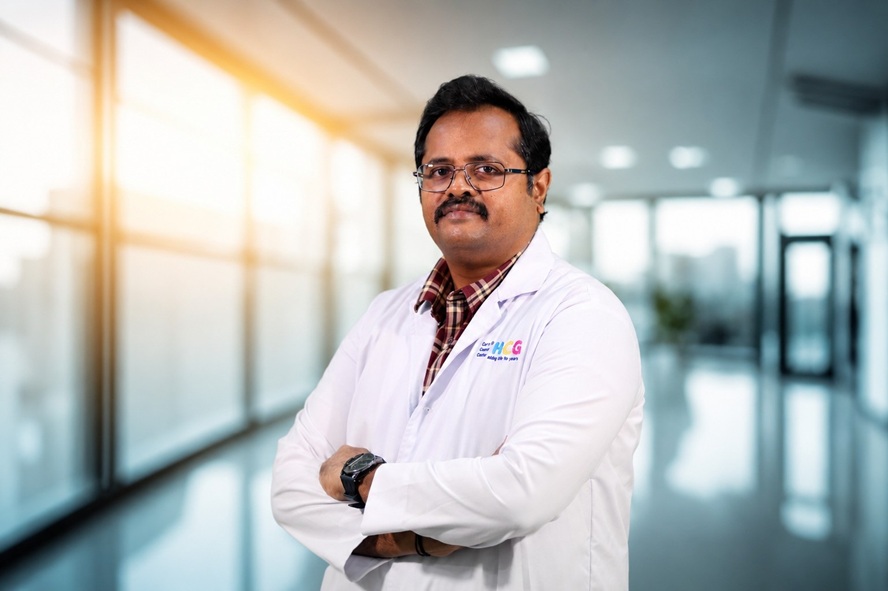
By Dr A Satya Srinivas Consultant Medical Oncologist at HCG Cancer Hospital, Vijayawada
For many people, completing cancer treatment marks the end of one journey and the beginning of another. While ringing the bell or hearing that treatment is complete is a significant milestone, survivorship often comes with its own set of challenges. Physical recovery, emotional healing, and adapting to life after cancer can feel overwhelming, leaving many survivors wondering how to move forward with confidence and purpose.
Life after cancer is not simply about being disease-free, it is about rebuilding health, restoring well-being, and creating a future that prioritizes long-term wellness.
Life after cancer is not about returning to the person you were before diagnosis. Instead, it is about embracing a new phase of life focused on rebuilding strength, protecting health, and enhancing overall well-being. Survivorship is increasingly recognized as an essential phase of cancer care, one that extends beyond treatment and focuses on helping individuals live healthy, fulfilling lives.
One of the most important shifts survivors can make is moving from a disease-focused mindset to a wellness-focused one. During treatment, success is often measured by scan results and medical milestones. After treatment, health becomes broader and more holistic, encompassing physical fitness, emotional resilience, restorative sleep, healthy nutrition, and preventive care. Small, consistent lifestyle choices can have a profound impact on long-term outcomes, helping reduce the risk of recurrence, manage treatment-related side effects, and improve quality of life.
Regular physical activity plays a central role in recovery. Many survivors experience lingering fatigue, reduced stamina, or muscle weakness following treatment. While rest is important, movement is often one of the most effective tools for restoring energy and rebuilding physical strength. Activities such as walking, swimming, cycling, yoga, or strength training can improve cardiovascular health, strengthen muscles and bones, and support emotional well-being. Even modest amounts of exercise performed consistently can make a meaningful difference over time.
Nutrition is another cornerstone of long-term wellness. Although there is no single diet that can prevent cancer recurrence, a balanced and nutrient-rich eating pattern supports healing and overall health. A diet rich in fruits, vegetables, whole grains, lean proteins, and healthy fats provides the nutrients needed to maintain energy, support immunity, and reduce inflammation. Limiting processed foods, excessive sugar, and alcohol can further contribute to better health outcomes and lower the risk of chronic diseases.
Equally important is the need to prioritize sleep and manage stress effectively. Cancer survivors often experience anxiety, disrupted sleep, and emotional distress long after treatment ends. Poor sleep and chronic stress can affect both physical and mental health, making recovery more challenging. Establishing a regular sleep schedule, practicing relaxation techniques, spending time outdoors, and engaging in mindfulness or meditation can help improve sleep quality and reduce stress. Seeking professional support for anxiety or depression is also an important part of survivorship care and should never be viewed as a sign of weakness.
Long-term follow-up care remains essential even after treatment has ended. Certain cancer therapies can have lasting effects on the heart, lungs, bones, hormones, or other organs. Regular medical check-ups and recommended screening tests allow healthcare providers to detect and manage these potential complications early. Survivors should work closely with their oncologists and primary care physicians to develop a survivorship care plan that outlines treatment history, potential late effects, and ongoing monitoring requirements.
Emotional and social well-being deserve equal attention. Many survivors face challenges such as fear of recurrence, changes in body image, financial stress, survivor’s guilt, or shifts in personal relationships. These experiences are common and should not be ignored. Connecting with support groups, counselors, psycho-oncology specialists, or trusted family members can help survivors process these emotions and develop healthy coping strategies. Strong social connections often play a vital role in recovery and long-term resilience.
As survivors’ transition into life after cancer, it is important to avoid common pitfalls. Some individuals become discouraged when they are unable to maintain perfect habits, while others become overly anxious about every physical symptom. Still others withdraw socially because they feel that no one truly understands their experience. Recognizing these challenges and seeking support when needed can help survivors maintain a healthier and more balanced perspective.
The journey beyond cancer is not defined by perfection but by progress. Building healthy routines, staying physically active, eating well, managing stress, attending follow-up appointments, and nurturing meaningful relationships can collectively create a strong foundation for long-term wellness. These changes do not have to happen all at once; even small steps taken consistently can lead to significant improvements over time.
Cancer may have changed the course of life, but it does not have to limit what comes next. Surviving cancer is a remarkable achievement, but true recovery extends beyond being cancer-free. It involves reclaiming confidence, rebuilding strength, and embracing the opportunities that lie ahead. By prioritizing health and well-being every day, survivors can move beyond survival and create a future defined not by illness, but by resilience, purpose, and hope.
