


Dr Ajay Rana, Founder & Director, ILAMED, and President of the Indian Society of Aesthetic Medicine (ISAM)

The “glass skin” trend has made smooth, glowing and well-hydrated skin one of the most desired aesthetics. Can skin boosters really achieve this effect? Skin boosters can deliver visible improvements in skin quality and hydration, but the results depend on individual skin conditions and realistic expectations.
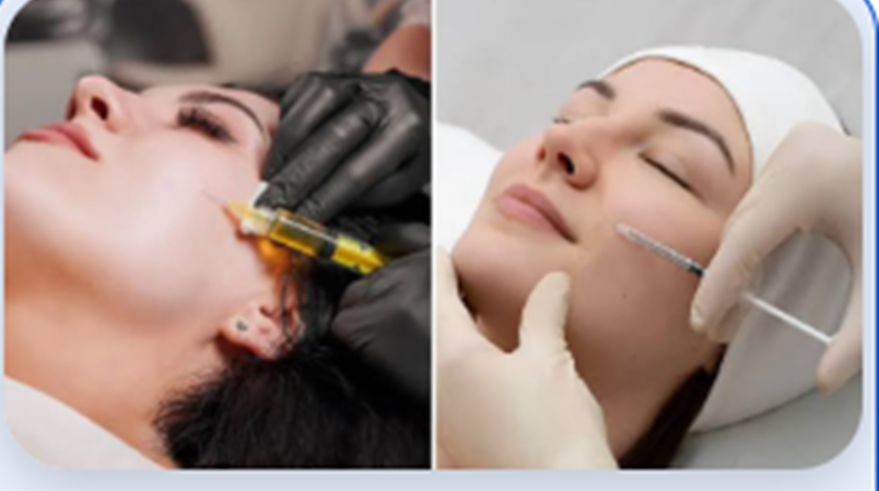
Skin boosters differ from regular dermal fillers in the sense that they are not primarily used for volumising or reshaping the face, but rather for improving the quality and hydration of the skin. Depending on the preparation and technique used, skin boosters may involve hyaluronic acid and other substances that can help improve skin hydration, texture and elasticity.
One of the main reasons the skin appears more “glass-like” after a skin booster treatment is the increase in hydration. The overall look and feel of the skin changes, as it becomes smoother and more moisturized. Moreover, certain types of skin boosters stimulate collagen production, thus improving the structure and resilience of the skin.
But of course, achieving a homogenous, transparent and almost “water-like” appearance of the skin is not only the result of a skin booster treatment. Genetics, skin type, hydration, age, melanin content, complexion, acne, and other conditions greatly affect how smooth and glassy one’s skin is. Those with severe acne, uneven skin tone, redness or other conditions should consult with their dermatologist to address these concerns before considering skin boosters.
The choice of the product is also very important. Each patient case is different, meaning that each patient should discuss their goals, expectations and the appropriate preparation for the skin booster treatment with their dermatologist or aesthetic doctor. The professional conducting the procedure also plays a huge part, which is why it is crucial to choose someone qualified and competent to carry out the procedure. Post procedural redness, swelling, sensitivity and bruising are also common side effects of a skin booster treatment.
Finally, it is important to keep in mind that the improvement is gradual, and depending on the preparation, it may last for a certain amount of time. Regular treatments may be required to maintain the improvement in skin quality. Overall, skin boosters are a useful addition to an aesthetic treatment plan for those desiring to achieve smoother and more hydrated skin. But healthy skin starts with a proper skincare routine, sun protection, nutrition and the maintenance of existing dermatological conditions.
****
