

Curing the Incurable: Eradicating Thalassemia Major through Advanced Bone Marrow Transplantation

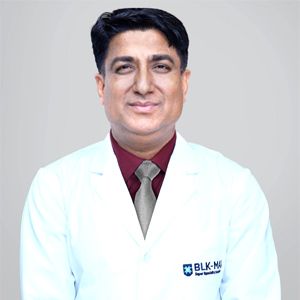
Mizoram : For decades, a diagnosis of Thalassemia Major was seen as a lifelong, irreversible burden. This genetic blood disorder impairs the body’s ability to produce hemoglobin, the vital protein in red blood cells that carries oxygen. For many families, managing the condition has meant a grueling, endless routine: painful blood transfusions every few weeks, followed by complex medication schedules to remove dangerous iron build-up from vital organs says Dr. Dharma Choudhary, Chairman Haemato Oncology & BMT, BLK-Max Super Speciality Hospital, Delhi.
While transfusions sustain life, they do not offer a cure. However, modern medical advancements have fundamentally rewritten this narrative. Today, Thalassemia Major is no longer an incurable condition. Through advanced Bone Marrow Transplantation (BMT), patients can achieve complete eradication of the disease, allowing them to lead entirely normal, transfusion-free lives.
The principle of a Bone Marrow Transplant is straightforward yet scientifically profound. Because the patient’s own bone marrow contains a genetic defect that produces faulty red blood cells, the objective is to completely replace it.
During the procedure, the patient’s defective blood-producing cells are cleared using specialized conditioning therapy. Healthy, functioning blood stem cells from a compatible donor are then infused into the patient’s bloodstream. These new stem cells travel to the bone marrow, nest there, and begin multiplying—effectively rebuilding a brand-new, healthy blood production system that generates normal hemoglobin.
Historically, the primary obstacle to a successful cure was finding a perfect human leukocyte antigen (HLA) matched sibling donor, a luxury available to fewer than 30% of patients.
Modern BMT technology has decisively broken this barrier. With the advent of Haploidentical (half-matched) transplants and high-resolution registry searches for unrelated donors, nearly every patient now has a viable pathway to a cure. Advanced processing techniques allow clinicians to safely utilize a parent or a half-matched sibling as a donor, drastically reducing the risk of severe complications like Graft-versus-Host Disease (GvHD), where the donor cells attack the recipient’s body.
At the absolute forefront of this medical revolution, premier medical centers are leveraging state-of-the-art infrastructure to transform outcomes. Clinical expertise in refining allogeneic and haploidentical transplant protocols has made the procedure vastly safer, more predictable, and accessible to families from all over the world. By focusing on precision tissue matching and advanced post-transplant care, specialized units are shifting the global standard from lifelong disease management to definitive, permanent cures.
For families battling Thalassemia Major, the message is clear: do not settle for a lifetime of management when a permanent cure is within reach. Advanced BMT, guided by specialised expertise, offers the definitive opportunity to eradicate the disease entirely, giving children the chance to grow, thrive, and live completely free of needles and transfusions.
