


By Nanditha Subhadra
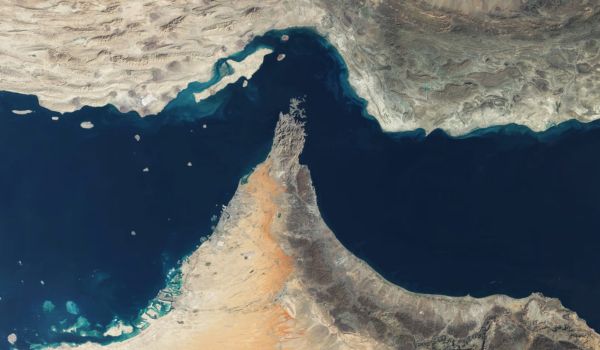
Imagine waking up to find that the narrow waterway through which one-fifth of the planet’s oil and a huge chunk of its liquefied natural gas flows has suddenly become a no-go zone. Tankers that once streamed like ants through the Strait of Hormuz now idle at anchor or detour thousands of miles around Africa. Fighter jets streak across closed skies, cargo ships reroute in panic, and fertilizer plants in distant continents grind to a halt for lack of gas feedstock. This is no dystopian fiction—it is the unfolding reality of full-scale escalation in the Gulf war as of March 2026.
The consequences are already slamming into global markets with brutal speed. Qatar, a cornerstone of world LNG supply, has declared force majeure on exports, yanking a critical stream of cleaner fuel from an energy-hungry planet. At the same time, analysts warn of a potential 15-million-barrel-per-day drop in oil flows—roughly 15% of daily global production. Brent crude has rocketed past $110 a barrel in days, with some futures pointing toward $150 if the strait remains blocked for weeks.
This isn’t just a price spike; it’s an energy shockwave capable of triggering severe stagflation or outright recession across major economies—effects projected to exceed even the bruising regional tensions of 2025. Central banks stare at an excruciating choice: hike rates aggressively and choke growth further, or hold steady while inflation burns hotter. In energy-importing powerhouses like India, Europe, and much of Southeast Asia, the pain is immediate and acute—higher electricity bills, surging transport costs, and squeezed household budgets. Even the United States, buoyed by domestic shale, feels the drag as everything from plastics to trucking becomes more expensive.
Supply chains, still fragile from earlier disruptions, are fracturing anew. Shipping giants have abandoned both the Strait of Hormuz and the Red Sea corridor, forcing vessels onto marathon routes around the Cape of Good Hope. What used to be an 18–20-day journey from Asia to Europe now stretches to 35–40 days. Freight rates have doubled, tripled, even quadrupled on key lanes. Just-in-time factories in Germany, smartphone assemblers in Brazil, and pharmaceutical plants in the U.S. face empty production lines and cascading delays. War-risk premiums and fuel surcharges cascade straight to consumers, layering fresh inflation on top of the energy-driven surge.
The humanitarian toll is perhaps the most alarming. Fertilizer markets, heavily dependent on natural gas, have tightened dramatically—prices up 30–40% in weeks. Farmers across Africa and South Asia, already battling climate stress and thin margins, must now choose between unaffordable inputs or reduced yields. The United Nations warns of a looming food security shock that could push hundreds of millions toward hunger, echoing—and potentially surpassing—the 2022 Ukraine-driven crisis. Wheat, rice, and maize futures are climbing fast, threatening to reverse hard-won gains against global malnutrition.
Aviation and tourism, sectors that clawed their way back from the Covid abyss, are now reeling from comparable chaos. Vast swathes of Middle Eastern airspace lie closed, forcing long-haul carriers to detour over Turkey, the Black Sea, or even further north. Gulf carriers like Emirates, Qatar Airways, and Etihad have slashed schedules, while European and Asian airlines report 15–25% capacity cuts on affected routes. Business travel evaporates, leisure bookings to Dubai and Doha crater (hotel occupancy below 40%), and reduced belly-cargo space worsens supply bottlenecks. The entire tourism ecosystem—from airports to ground staff—feels the blow.
Geopolitically, the crisis has rewritten old assumptions. Energy security is once again national security. Strategic reserves are draining faster than expected, while frantic diplomacy in Washington, Beijing, and Brussels seeks any path to de-escalation. Yet markets price in prolonged pain—futures curves remain steeply backwardated into 2027, signaling little faith in a quick resolution.
In the end, what began as a regional war has morphed into a planetary emergency. A sustained closure of the Strait of Hormuz doesn’t merely inflate prices; it reorders global trade, widens the chasm between energy haves and have-nots, and risks plunging millions back into poverty and food insecurity. Every extra day of conflict compounds the bill that the entire world must eventually pay. The only true exit ramp is de-escalation—before the damage becomes irreversible.
