

Eastern India’s Agricultural Renaissance: PM Dhan-Dhaanya Krishi Yojana’s ₹1.44 Lakh Crore Mission for Bihar and Bengal Farmers

By Nanditha Subhadra
The Pradhan Mantri Dhan-Dhaanya Krishi Yojana (PMDDKY) is emerging as a transformative force for Indian agriculture, focusing sharply on uplifting farmers in underperforming districts. Approved by the Union Cabinet on July 16, 2025, and announced in the Union Budget 2025-26, the scheme targets 100 low-productivity agricultural districts across 29 States and Union Territories through a saturation-based convergence model.
Inspired by the Aspirational Districts Programme but dedicated exclusively to agriculture and allied sectors, PMDDKY aims to enhance productivity, promote sustainable practices, improve irrigation and storage infrastructure, expand credit access, and boost farmer incomes. It directly targets around 1.7 crore farmers, mostly small and marginal landholders who form the backbone of Indian farming.
With an annual outlay of ₹24,000 crore over six years (2025-26 to 2030-31), the total commitment stands at approximately ₹1.44 lakh crore. This funding operates through the strategic convergence of 36 existing Central schemes across 11 Ministries, ensuring focused, duplication-free delivery in the selected districts.
Eastern India in the Spotlight: District Coverage in Bihar and West Bengal
Eastern India, home to a large share of small and marginal farmers and facing region-specific challenges such as floods, droughts, fragmented holdings, and credit gaps, receives meaningful attention under the scheme. District selection, based on net cropped area and operational holdings, has allocated 7 districts to Bihar and 4 districts to West Bengal.
Bihar’s districts: Madhubani, Darbhanga, Banka, Gaya, Siwan, Kishanganj, and Nawada — areas often marked by uneven irrigation, flood vulnerabilities, and storage or credit constraints.
West Bengal’s districts: Purulia, Darjeeling, Alipurduar, and Jhargram — representing diverse challenges from drought-prone red soils and tribal areas to hill and Dooars regions.
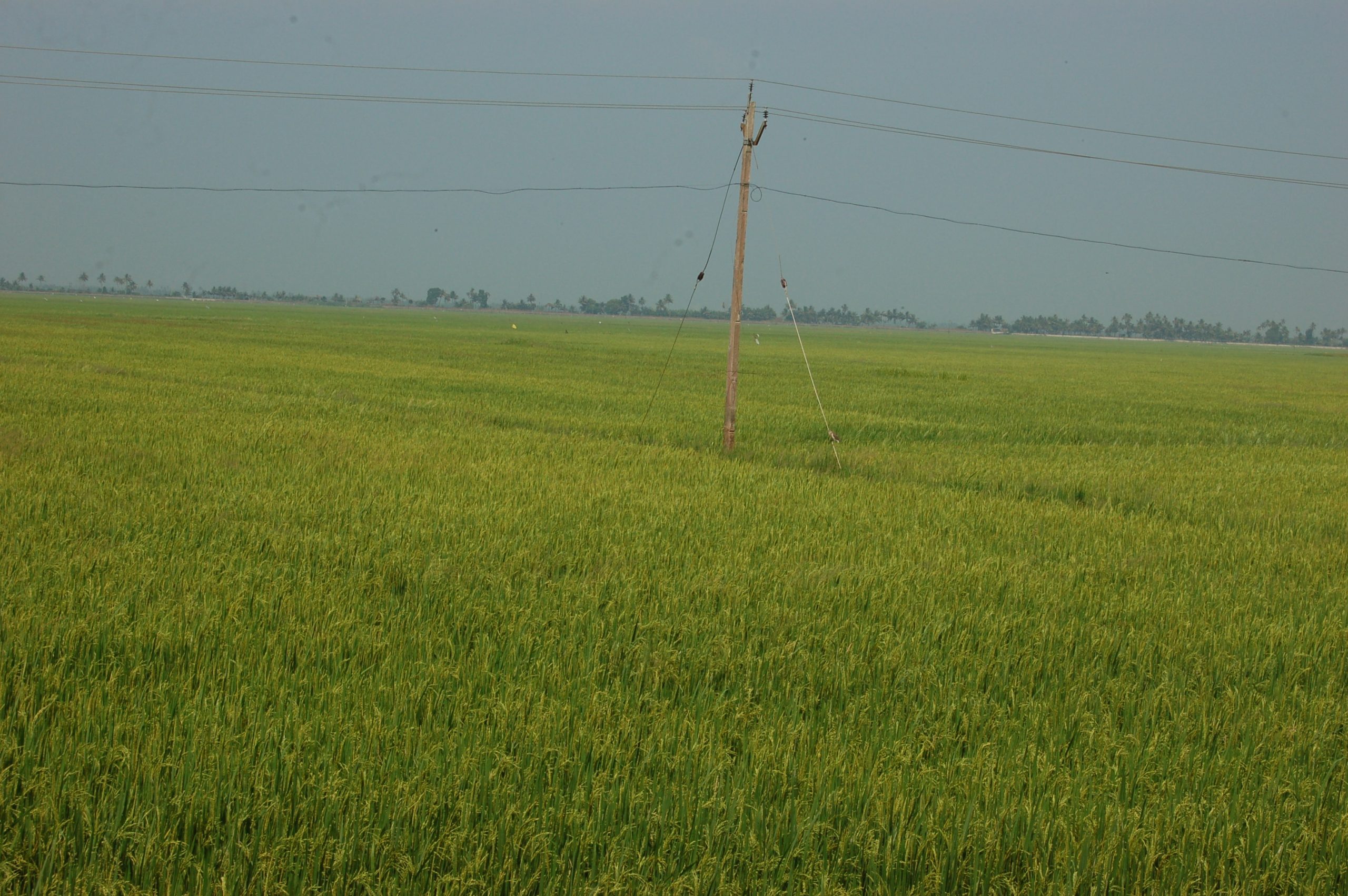
This coverage positions eastern states as key beneficiaries within the national framework, complementing local initiatives like Bihar’s Krishi Roadmap.
Budgetary Framework and Financial Focus
The ₹24,000 crore annual outlay is not a fresh standalone allocation but a concentrated convergence of existing scheme budgets, prioritised for saturation coverage in the 100 districts. District-specific action plans, developed in partnership with states and local stakeholders, guide spending toward high-impact areas: input subsidies and technology support, irrigation and post-harvest infrastructure, credit facilitation, training, and market linkages.
Implementation emphasises 100% central funding for core interventions, digital monitoring through dashboards and a multilingual farmer app, and outcome-driven execution tailored to local agro-climatic conditions. This approach ensures resources reach the most vulnerable farmers efficiently while fostering balanced regional development.
Integrated Schemes Delivering Benefits to Farmers
PMDDKY weaves together multiple flagship programmes into a cohesive support system:
Income Support & Risk Cover: Integration with Pradhan Mantri Kisan Samman Nidhi (PM-KISAN) delivers direct income support, while Pradhan Mantri Fasal Bima Yojana (PMFBY) strengthens crop insurance against weather, pest, and disease risks — critical for flood-prone Bihar and cyclone-vulnerable West Bengal districts.
Irrigation & Water Security: Pradhan Mantri Krishi Sinchayee Yojana (PMKSY) components focus on micro-irrigation, watershed management, and water conservation to improve “more crop per drop” outcomes in rainfed or unevenly irrigated pockets like Purulia and parts of north Bihar.
Storage & Post-Harvest Infrastructure: New emphasis on panchayat- and block-level storage facilities reduces losses and distress sales, directly benefiting grain farmers in Bihar and producers of perishable or seasonal crops in West Bengal.
Credit & Financial Inclusion: Easier access to Kisan Credit Cards, short- and long-term loans, and interest subvention schemes addresses persistent credit gaps in several selected districts.
Technology, Diversification & Allied Sectors: Training through KVKs, promotion of climate-resilient varieties, crop diversification (pulses, millets, vegetables), and support for livestock, dairy, fisheries, beekeeping, and agroforestry create additional income streams and sustainable practices.
Market Linkages: Strengthened Farmer Producer Organizations (FPOs), e-NAM integration, and value-addition infrastructure help small farmers secure better prices.
These interventions are rolled out through district-level saturation plans, ensuring comprehensive coverage rather than fragmented benefits.
Tangible Benefits for Farmers in Bihar and West Bengal
In Bihar, the scheme addresses recurring challenges in districts like Madhubani, Darbhanga, and Kishanganj (flood-prone) and Gaya or Banka (irrigation and credit gaps). Converged irrigation works reduce crop losses from erratic weather. Improved storage infrastructure minimises post-harvest distress sales. Enhanced credit access and insurance provide safety nets, while training and diversification support — including dairy, fisheries, and pulses — help smallholders build resilient livelihoods. Estimates indicate the scheme could directly reach 5–7 lakh farmers across Bihar’s seven districts through streamlined, multi-scheme support.
In West Bengal, the four districts present varied opportunities. Purulia gains from watershed and micro-irrigation interventions to combat drought in red laterite soils. Darjeeling and Alipurduar benefit from sustainable hill and Dooars practices, agroforestry, and beekeeping suited to local ecology, alongside better market linkages. Jhargram’s tribal and forest-fringe farmers see livelihood boosts through allied sectors and storage/processing facilities. Insurance coverage protects against cyclones and floods, while credit and extension services close technology and input gaps. The integrated approach ensures small and marginal farmers — who dominate these regions — receive coordinated support for productivity, risk management, and income enhancement.
Across both states, the scheme promotes climate-resilient, market-oriented farming and rural livelihood diversification, contributing to reduced regional disparities and progress toward agricultural self-reliance.
Implementation and the Road Ahead
Following Cabinet approval and district finalisation in 2025, the scheme aligned with the Rabi season from October 2025. By mid-2026, district action plans, convergence mechanisms, and digital monitoring tools are active, with benefits flowing through prioritised existing channels. Early emphasis on saturation and local participation aims to deliver visible improvements in productivity, storage, and credit access.
While coordination across multiple agencies and timely infrastructure execution remain focus areas, the whole-of-government model, data-driven governance, and farmer-centric design position PMDDKY as a potential game-changer for eastern India’s agrarian economy.
In essence, the Pradhan Mantri Dhan-Dhaanya Krishi Yojana delivers a comprehensive, well-funded framework that goes beyond isolated subsidies to create an ecosystem of support for eastern India’s farmers. For the cultivators of Bihar’s seven districts and West Bengal’s four, it offers a realistic pathway from vulnerability to resilience — through better water management, reduced losses, stronger safety nets, diversified incomes, and improved market access. As implementation deepens over the next five years, the scheme holds the promise of meaningful income gains, sustainable practices, and a stronger foundation for Viksit Bharat in the eastern heartland of Indian agriculture.
