


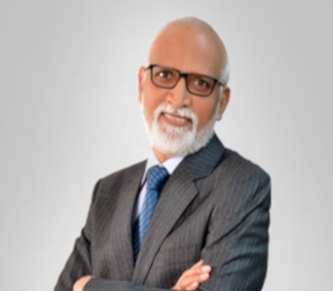
By Dr Vinod C. Mehta Director & Chief Ophthalmologist, Centre For Sight, Mumbai
Cataracts are among the most common causes of vision impairment, particularly among older adults. The condition develops when the natural lens of the eye becomes cloudy, making everyday activities such as reading, driving, recognising faces and navigating unfamiliar surroundings increasingly difficult. While cataract surgery has long been an effective treatment, advances in surgical technology and intraocular lenses (IOLs) have made it possible to offer more personalised vision correction. Femtosecond laser-assisted cataract surgery and advanced IOLs are helping ophthalmologists address both cataract removal and patients’ visual requirements after surgery.
A cataract typically develops gradually as proteins in the natural lens break down and clump together, reducing the passage of light to the retina. Ageing is the most common cause, although diabetes, certain medications, eye injuries and prolonged exposure to ultraviolet radiation may also contribute. In the early stages, changes in spectacles or improved lighting may help manage symptoms. However, when cataracts begin to interfere with daily activities, surgery is generally the only effective way to restore clarity. Timely evaluation by an ophthalmologist helps determine when intervention is appropriate.
Femtosecond laser-assisted cataract surgery, commonly known as Femto cataract surgery, represents an advancement in the way certain steps of the procedure are performed. Instead of relying entirely on manual instruments, the surgeon uses a computer-guided femtosecond laser to create precise corneal incisions, make a circular opening in the lens capsule and soften or fragment the cataract before its removal. These steps can improve consistency and reduce the amount of ultrasound energy required in selected cases. However, the laser does not perform the entire surgery independently. The surgeon remains responsible for removing the cataract, implanting the artificial lens and managing the procedure. The choice between laser-assisted and conventional phacoemulsification depends on the patient’s eye condition, clinical requirements, available technology and the surgeon’s assessment.
Another important development is the availability of advanced intraocular lenses, which replace the eye’s cloudy natural lens during cataract surgery. The choice of IOL can significantly influence the patient’s visual experience after the procedure. Monofocal lenses generally provide clear vision at one selected distance, with spectacles often required for other distances. Toric IOLs are designed to correct suitable levels of corneal astigmatism, potentially reducing dependence on glasses for distance vision. Multifocal and trifocal lenses distribute light across different focal points to support near, intermediate and distance vision, while extended depth-of-focus lenses aim to provide a broader range of functional vision. Each option has specific benefits and limitations, including the possibility of glare, halos or reduced contrast in some patients.
The selection of an appropriate IOL requires careful consideration of eye measurements, corneal health, retinal function, existing eye conditions, lifestyle and visual expectations. For example, a person who frequently reads, uses digital screens or drives at night may have different priorities from someone who mainly seeks clear distance vision. Patients with certain retinal conditions, glaucoma or irregular corneas may require a more cautious approach when considering premium lenses.
Ultimately, successful cataract surgery involves more than removing a cloudy lens. It requires choosing the right surgical technique, selecting an appropriate IOL and setting realistic expectations. Femto cataract technology and advanced IOLs have expanded the options available to patients, but no single approach is ideal for everyone. A comprehensive preoperative assessment, an informed discussion with the ophthalmologist and regular postoperative follow-up remain essential to achieving safe, satisfactory and lasting visual outcomes.
With new technology Cataracts can be safely removed at any stage. No need to wait for it to ripe, waiting also means one has to live with compromised vision. Today people with Presbyopia need not struggle with glasses & can have early cataract surgery to be spectacles free.
****
