

Gulf Inferno: Iran bombing on Energy Hubs Ignite India’s Cooking Gas Crisis and Fuel Nightmare

By Suresh Unnithan & Nanditha Subhadra
The Middle East’s powder keg has exploded into the world’s energy arteries. In mid-March 2026, Israel struck key facilities at Iran’s South Pars—the planet’s largest natural gas field, shared with Qatar—inflicting damage that halted significant production. Iran retaliated fiercely, launching missile and drone attacks on critical Gulf energy sites. Qatar’s Ras Laffan Industrial City, home to the globe’s premier LNG export hub, suffered “extensive damage” with fires reported. Saudi Arabia’s SAMREF refinery and Jubail petrochemical complex, along with the UAE’s Al Hosn gas field, faced direct hits or severe threats. Iran’s Revolutionary Guards issued urgent evacuation warnings for additional Qatari sites like Mesaieed, labeling them “legitimate targets.”
These tit-for-tat strikes have virtually paralyzed shipping through the Strait of Hormuz—the chokepoint for ~20% of global oil and a huge share of LNG/LPG flows. Oil prices have rocketed past $110 per barrel, exports from the region are crippled, and tankers sit idle. For India, the world’s third-largest oil importer and heavily reliant on Gulf LPG, this escalation turns distant conflict into a kitchen-table emergency, threatening household cooking, trucking, farming, aviation, and factories.
India’s Enormous Daily Energy Need: Exposed and Vulnerable
India’s petroleum product demand soared in early 2026, with February 2026 consumption hitting ~20.24 million metric tonnes (MMT)—up 4.7% year-on-year—fueled by economic momentum. Provisional PPAC data translates to staggering daily averages:
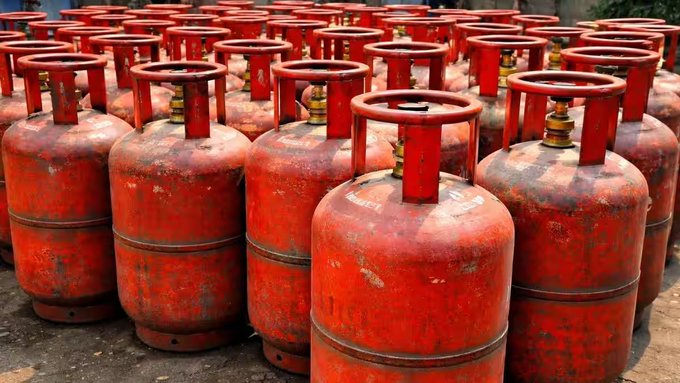
LPG (Liquefied Petroleum Gas): ~95,000–100,000 tonnes per day (February monthly ~2.822 MMT, averaging ~94,000 tonnes daily; typical monthly demand ~2,700–2,800 TMT before crisis dips. With 33+ crore (330+ million) active connections—including millions under Ujjwala—households depend on it for clean cooking; domestic output covers only ~40–45%.
Petrol (Motor Spirit): ~110,000–115,000 tonnes per day (February ~3.356–3.51 MMT monthly).
Diesel (High-Speed Diesel): ~250,000–260,000 tonnes per day (February ~7.669–8 MMT monthly), the backbone of transport, agriculture, and industry.
Aviation Turbine Fuel (ATF): ~25,000–28,000 tonnes per day (February ~760–828 TMT monthly; FY27 annual projection ~9.7 MMT).
Total refined products average ~680,000–720,000 tonnes daily, backed by crude processing of ~5.5 million barrels per day. FY27 projections eye a record 250.8 MMT annually (up ~2.8% YoY).
Storage
India’s Strategic Petroleum Reserves (SPR) store 5.33 MMT of crude across Visakhapatnam (1.33 MMT), Mangaluru (1.5 MMT), and Padur (2.5 MMT)—equating to roughly 9–10 days of crude needs at current rates (some reports cite ~25 days crude + 25 days products in operational buffers, excluding full SPR drawdown). Commercial stocks held by Oil Marketing Companies add ~64.5 days for crude and products, pushing national totals to ~74 days combined (or 7–8 weeks across the energy chain, including ~250+ million barrels equivalent).
LPG stocks are critically tighter—often just 10–15 days commercially—leaving minimal margin for extended disruptions. Expansions (e.g., +6.5 MMT at Chandikhol and Padur via PPP) are underway but not yet online. Government policy reserves SPR for genuine supply crises, not price control.
Current Fuel Arrivals and Daily Deficit (as on March 19, 2026, per latest industry, Kpler ship-tracking, and Ministry/OMCs data)
Fuel arrivals data reveals the immediate crunch:
LPG: Import receipts in the first fortnight of March plunged ~36% month-on-month. Only sporadic cargoes have docked so far—all loaded pre-escalation. Relief arrived via two Indian-flagged tankers (Shivalik at Mundra on March 16 and Nanda Devi at Vadinar/Kandla on March 17), delivering a combined 92,700 metric tonnes—enough for roughly 1 day’s normal national demand. Earlier March arrivals averaged far below normal (~55,000–60,000 tonnes/day imports). Domestic production has been ramped up 40% (to ~53,000+ tonnes/day), but total supply still falls short. Against normal demand of ~95,000–100,000 tonnes/day, the country faces a daily deficit of ~15,000–20,000 tonnes (reflected in actual sales/consumption dropping to ~76,500 tonnes/day in early March, down 17–26%). Over 3 lakh tonnes remain stranded on other vessels west of Hormuz.
LNG: 8 cargoes totalling 0.56 million tonnes arrived in the first 10 days of March (average ~56,000 tonnes/day, mostly rerouted from Oman and alternatives)—down ~15% from February. Another 18–19 cargoes (~1.3 MMT) are expected later this month from the US, West Africa, Mozambique, and partial Qatar reroutes. However, 47.4 mmscmd of contracted Gulf supply is under force majeure, creating a daily natural gas shortfall that hits industry and power. LNG tankers continue arriving almost daily via alternative routes, but overall volumes remain constrained.
Other Fuels (Crude, Petrol, Diesel, ATF): Crude arrivals are secure—no daily deficit. Russian imports have jumped ~50% to ~1.5 million barrels/day; overall non-Hormuz sourcing now covers ~70% of needs. Refining runs hold at ~5.5 million barrels/day. Petrol, diesel, and ATF supplies face no availability shortage (only price pressure).
This data-driven deficit stems directly from halted Hormuz flows and explains the rationing, sales drops, and stock drawdown now underway.
Escalation’s Brutal Toll on India’s Energy Lifeline
LPG: The Sharpest, Most Immediate Pain… (rest of original section remains accurate and aligns with the fresh arrival/deficit figures above; early March sales drop of 17–26% to ~1.147 MMT matches the calculated daily shortfall).
Crude, Petrol, Diesel, ATF: Mounting Cost and Availability Pressures… (no change—availability secure, but costs rising).
Ripple Effects: Inflation, Industry, and Economy… (unchanged).
Outlook: From Weeks of Buffer to Long-Term Reckoning
This isn’t fleeting turbulence. Iran’s strikes on Gulf assets—retaliation for South Pars—weaponise energy, risking prolonged Hormuz closure or wider halts. India’s diversification (more Russian crude) cushions oil but not LPG’s Gulf chokehold. Buffers offer weeks, not months; SPR isn’t for routine price fights.
Short-term: Surging prices, implicit rationing, maxed domestic production, and consumer pleas to curb panic. Medium-term: Urgent SPR acceleration (target 100+ million barrels), new LNG terminals, renewables surge, and non-Gulf alliances are no longer optional—they’re survival imperatives.
As Gulf flames rage, India’s energy lifeline scorches. Millions of kitchens, trucks, and factories hang in the balance—unless de-escalation douses the fire soon.
