


By Suresh Unnithan
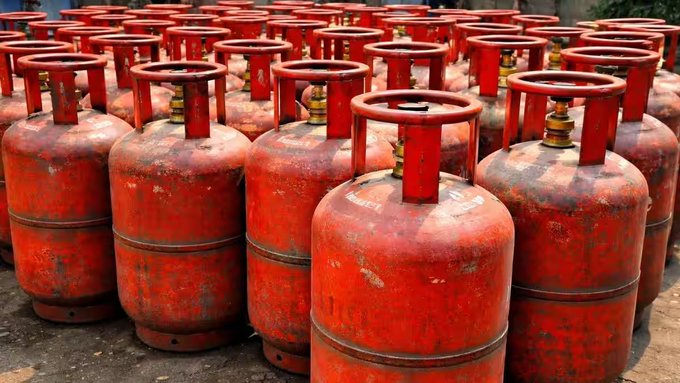
Indian kitchens are the primary casualty of the escalating Gulf conflict. The war, provoked by the US-Israel combine against Iran, has choked the supply of liquefied petroleum gas (LPG), the primary cooking fuel for millions of Indian households and a critical input for the hospitality industry and various commercial operations. With the Strait of Hormuz effectively closed amid the intensifying hostilities, nearly 85-90% of India’s LPG imports—historically dominated by Gulf sources like Saudi Arabia, Qatar, and the UAE—have been disrupted, triggering an acute shortage that threatens daily life, livelihoods, and economic stability across the country.
LPG Consumption Landscape in India
India’s LPG consumption has surged dramatically over the past decade, fueled by government initiatives like the Pradhan Mantri Ujjwala Yojana (PMUY), which expanded access to clean cooking fuel for low-income families. As of the 2024–2025 financial year (FY25), India’s total annual LPG consumption reached approximately 31.3 million metric tonnes (MMT). On an average daily basis, this translates to around 85.4 thousand metric tonnes (TMT).
The domestic (household) sector dominates, accounting for 87-90% of total consumption—roughly 74-75 TMT per day. The remaining 12-13% (about 10-11 TMT per day) is used by commercial establishments (hotels, restaurants, hostels), industrial users, and auto LPG. With over 33 crore active domestic LPG connections, refill rates remain robust, including around 13.6 lakh daily refills for Ujjwala beneficiaries alone, pushing per capita consumption to over 4 refills per year.
This growth—from about 29 TMT daily sales in 2015 to over 80 TMT by 2024—has made India the world’s second-largest LPG importer after China. The heavy dependence on Gulf suppliers, with shipments transiting the Strait of Hormuz, has left the country vulnerable. Middle East supplies accounted for a dominant share of imports in recent years, and the current blockade—due to military escalations, force majeure declarations, and halted shipments—has severely curtailed inflows, with reports indicating stocks may last only 10-30 days without replenishment.
Geopolitical Disruptions and Government Response
The conflict has disrupted global energy flows, with nearly 40% of India’s LNG and a significant portion of LPG affected. Vessels carrying Indian-bound cargoes are stranded near the Strait, freight and insurance costs have soared, and global LPG prices have spiked sharply. In response, the Ministry of Petroleum and Natural Gas has invoked emergency powers under the Essential Commodities Act, prioritizing household supplies. Refineries have been directed to boost domestic LPG production (by up to 10% in some cases), divert feedstocks exclusively to LPG, and ration commercial cylinders. Oil marketing companies—both public sector (IOCL, BPCL, HPCL) and private—have regulated or halted distribution to non-essential commercial users, while ensuring priority for households, hospitals, educational institutions, and select essentials.
This has created a sharp crunch for businesses, where commercial LPG (often in 19-kg cylinders) is essential for large-scale cooking. Domestic cylinders face extended booking gaps (up to 25 days in some areas) and price hikes (₹60-₹100+ per 14.2-kg cylinder), but households remain relatively protected compared to the commercial sector.
Impact on the Hospitality Industry
The hospitality sector, already recovering from past challenges, faces an existential threat. Hotels, restaurants, public kitchens, hostels, and even star-rated properties depend heavily on commercial LPG—90% of restaurants rely on it for operations. Industry bodies like the National Restaurant Association of India (NRAI), Federation of Hotel & Restaurant Associations of India (FHRAI), and regional associations have warned of “catastrophic closures.”
In major cities:
Bengaluru’s hotel associations declared operations at risk starting March 10, 2026, with many eateries (including iconic ones like Vidyarthi Bhavan) reducing tawas, trimming menus to tea/coffee, or preparing full shutdowns.
Mumbai reports around 20% of hotels and restaurants already shut or scaled back, with fears of up to 50% if supplies don’t resume.
Chennai, Kolkata, Hyderabad, Delhi, and Punjab see similar alerts: menus trimmed, hours reduced, and shutdown fears rising rapidly.
Across the country, associations estimate widespread temporary or permanent kitchen closures in the coming days/weeks, affecting wedding catering, banquet halls, institutional messes, and street vendors.
The ripple effects are severe: job losses for thousands, disruptions during peak seasons, and higher costs as businesses switch to costlier alternatives like induction or electricity. Small and medium eateries are hit hardest, potentially leading to a crisis akin to another lockdown for the sector.
Domestic Sector Repercussions
Beyond hospitality, the domestic sector feels indirect pressure. While prioritized, households face longer waits, conservation measures, and rising costs. Public kitchens, student hostels, and community messes encounter shortages, affecting vulnerable groups like students, office-goers, and low-income workers reliant on affordable meals. Panic buying and black-market risks have emerged in some areas.
Industrial and Wider Economic Impacts
Industries using LPG (e.g., ceramics, fertilizers, petrochemicals) report production cuts. LNG disruptions compound issues for energy-intensive sectors. The crisis highlights India’s energy import vulnerability (80-85% of LPG imported), with calls for diversification (e.g., more US supplies) but longer shipping times limit quick relief. The government has formed panels to review commercial requests and boost output, but prolonged disruption could inflate subsidies, widen trade deficits, and fuel inflation.
In conclusion, the US-Israel provoked conflict with Iran has turned a distant geopolitical flashpoint into an immediate domestic crisis in India. Households are shielded to an extent, but the hospitality industry teeters on collapse, threatening jobs, tourism, food chains, and public services. Swift de-escalation or effective mitigation is essential to prevent deeper economic fallout. This underscores the urgent need for enhanced energy security through diversified sourcing, strategic reserves, and reduced import dependence
