

Jaundice due to bile duct calculi is seen in 1 in 1200 pregnancies, and infection occurs in around 5-10 % of these patients

Navi Mumbai: In a rare and high-risk medical case, a team led by Dr Raosaheb Rathod, Medical Gastroenterologist, Hepatologist & Therapeutic Endoscopist, Medicover Hospitals, Navi Mumbai, successfully treated a 27-year-old woman, who was 20 weeks pregnant, after she developed severe abdominal pain, vomiting and jaundice Investigations revealed a serious bile duct obstruction with infection due to stones, a condition that required urgent intervention. Given that she was in a pregnant state, a critical period for fetal organ development, the medical team performed a highly controlled ERCP procedure using near-zero radiation exposure to protect the unborn child and remove multiple stones of 7- 8 mm.
The patient, Manju Thakkar (Name Changed) , a 27-year-old resident of Navi Mumbai, was pregnant for the first time, a journey that was emotionally precious for her and her family. She began experiencing persistent abdominal pain, vomiting, and yellowing of the eyes when she initially thought it was a minor stomach infection related to pregnancy. She consulted a local doctor and tried basic medications, but her symptoms continued to worsen. The pain became severe, and the fever and weakness increased, causing deep anxiety about her unborn baby. With growing concern, her family decided not to delay further and rushed her to Medicover Hospital for specialized care. She was immediately evaluated by a multidisciplinary team to ensure both maternal and fetal safety.
Dr Raosaheb Rathod, Medical Gastroenterologist, Hepatologist & Therapeutic Endoscopist, Medicover Hospitals, Navi Mumbai, said, “On arrival on 25 July, the patient had pain in the abdomen, fever along with obstructive jaundice, which can rapidly worsen and become life-threatening. Blood tests revealed a high white blood cell count of 13500/microlitre, suggesting active infection, along with deranged liver function tests. An ultrasound examination showed multiple gallbladder stones. All viral markers were negative. After a detailed evaluation with MRCP, she was diagnosed with multiple obstructive stones in the common bile duct, a life-threatening condition that required urgent medical intervention. Gallbladder stone diseases are seen in 1 in 1200 pregnancies, and infection occurs in around 5-10 % of these patients. She was immediately started on IV antibiotics and fluids. This condition cannot be managed with medicines alone; removing the stone with ERCP becomes essential. ERCP with stone extraction and stenting was planned.”
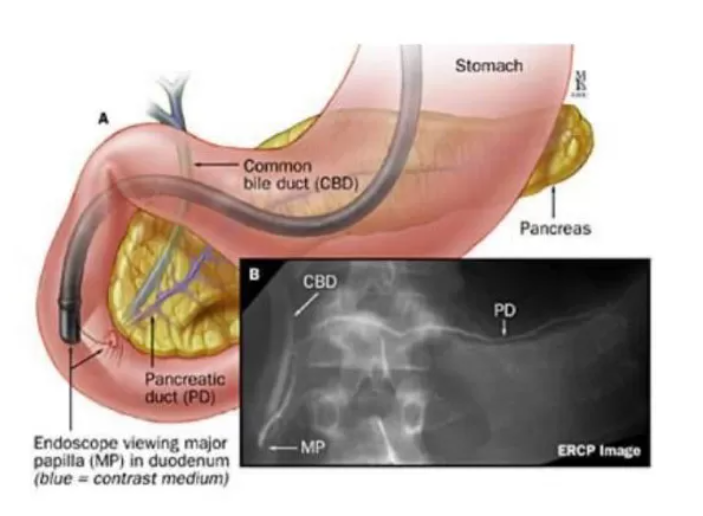
Dr Rao Saheb Rathod further added, “ERCP during pregnancy is always challenging as this procedure carries radiation risk. Radiation exposure during this phase can potentially cause congenital malformations such as microcephaly, eye abnormalities, and intellectual disabilities. ERCP with stone extraction and stenting was planned. However, standard ERCP requires fluoroscopy (X-ray guidance), which is risky during pregnancy due to radiation exposure during organ formation. In this case, we modified our technique, used protective lead shielding, and limited imaging to a single, controlled X-ray shot. The procedure required precision, experience, and coordination. Early intervention prevented severe complications such as liver failure, sepsis, or pancreatitis, ensuring safety for both mother and baby. With careful planning and a minimal exposure strategy, we were able to successfully remove fifteen obstructing stones and stabilize the patient.”
The procedure was done within 15 minutes; immediately after the procedure patients’ pain subsided completely, and the patient was discharged on the 2nd day. On follow-up after 7 days, CBC and liver function tests were done, which showed completely normal results. The patient was advised to avoid a fat-rich diet and visit the hospital if any fever, pain in the abdomen, or jaundice recurs.
“This case highlights the strength of our advanced endoscopy unit and multidisciplinary coordination. Managing a pregnancy with an obstructive bile duct stone requires both clinical expertise and technological precision. Our focus remains on delivering safe, evidence-based, and patient-centered care, especially in high-risk and emotionally sensitive cases like this,” said Sandip Joshi, Centre Head, Medicover Hospitals, Navi Mumbai.
