
Moscow’s MosMedAI Platform Expands AI Capabilities with 18th Service for Scoliosis Detection

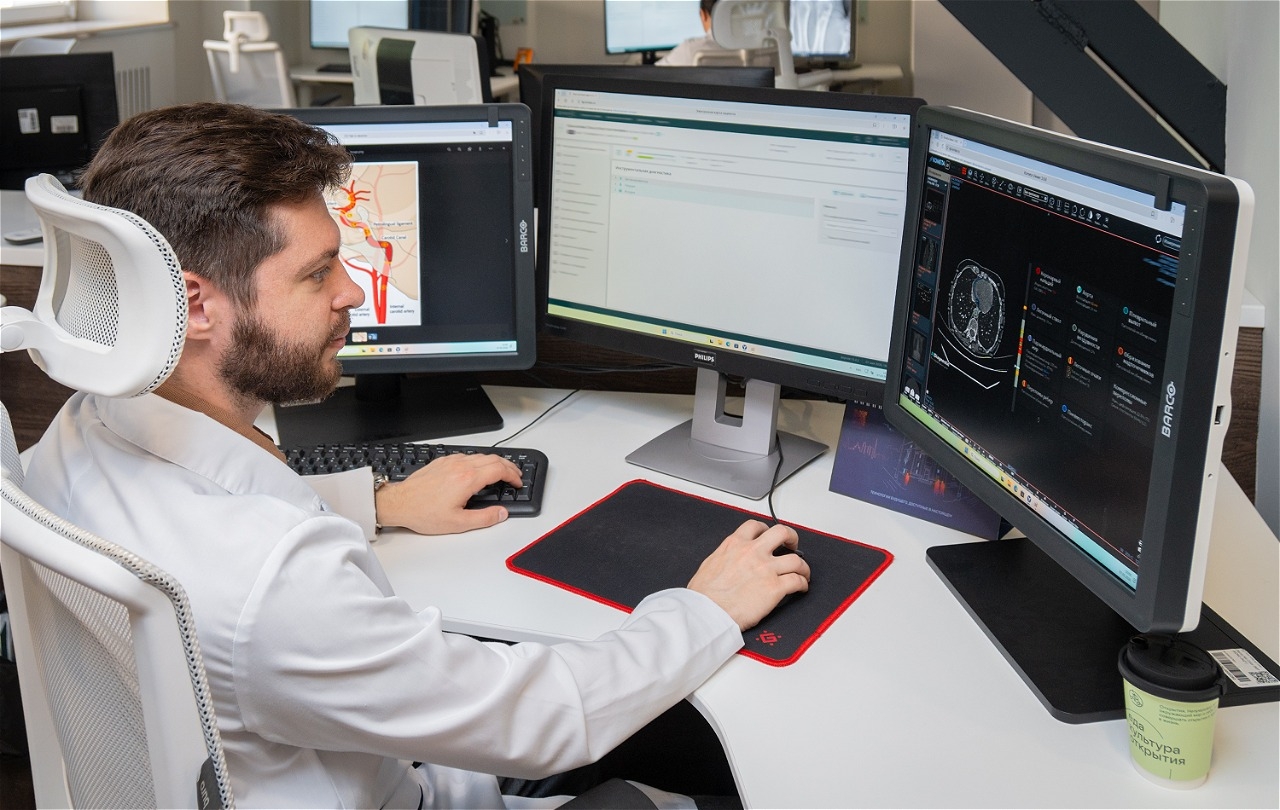
MosMedAI, the city’s digital medical-imaging platform, has deployed its 18th artificial intelligence (AI) service: an automated tool for detecting and grading scoliosis on X-rays. This expansion marks a significant step in scaling Moscow’s AI expertise to clinical practice across Russia, addressing specialist shortages and improving diagnostic consistency in regional healthcare settings.
The new algorithm performs routine measurements previously done manually by specialists and highlights probable pathology directly on images, enabling faster, standardized assessments and supporting radiologists with a second opinion. According to Anastasia Rakova, Deputy Mayor of Moscow for Social Development, MosMedAI now processes more than 1 million imaging studies per month from institutions nationwide.
The platform provides regions with advanced AI technologies to tackle pressing challenges, including workforce shortages,” said Rakova. “The new scoliosis detection service automates routine measurements previously performed manually, enabling a higher volume of analyses without compromising and potentially improving diagnostic quality. We are not only equipping doctors with new tools but also making modern diagnostics more accessible.”
Large-scale clinical AI deployment began in 2020 with an Experiment on the use of innovative computer vision technologies for medical image analysis and subsequent applicability in the healthcare system of Moscow, led by the Center for Diagnostics and Telemedicine with support from the Moscow Department of Information Technology. Over five years, more than 200 AI services have participated in the experiment.
Since 2023, Moscow introduced a compulsory medical insurance tariff for AI-supported double reading of breast cancer analysis of screening. By 2024, successful and mature solutions were scaled nationwide via the MosMedAI platform, enabling each region to select and periodically update AI services based on local priorities.
For radiologists, the platform offers a second opinion: AI not only generates structured reports but also highlights potential pathology areas on medical images using color-coded cues. All integrated AI services are registered as medical devices, ensuring regulatory compliance and patient safety.
“Timely and accurate scoliosis diagnosis is critical to prevent disease progression,” said Yuri Vasiliev, Medical Director of the Center for Diagnostics and Telemedicine. “AI is now a practical ally for radiologists. Our center places strong emphasis on solution security, which is why the platform only integrates AI services duly registered as medical devices.”
MosMedAI is a unified digital platform for analyzing medical images, designed to scale AI-powered diagnostic tools from Moscow to all regions of the Russian Federation. It enables remote access, second-opinion services, and automated image analysis to improve healthcare delivery and efficiency.
MosMedAI currently hosts AI services for multiple imaging modalities: three services each for mammography, fluorography, chest X ray, and brain CT; five services for chest CT; and the newly added scoliosis detector, bringing the total to 18 active AI tools.
The Center for Diagnostics and Telemedicine of the Moscow Healthcare Department, founded in 1996, is a leading scientific and practical organization within Moscow’s Social Development Complex. It specializes in AI implementation in medicine, radiation diagnostics, clinical workflow organization, research, and medical education. Moscow Healthcare continuously monitors AI performance parameters through the internal evaluation protocols.
