

Mumbai’s Gruelling Commute Puts Spine Health in Focus; Experts Urge Early Care and Prevention

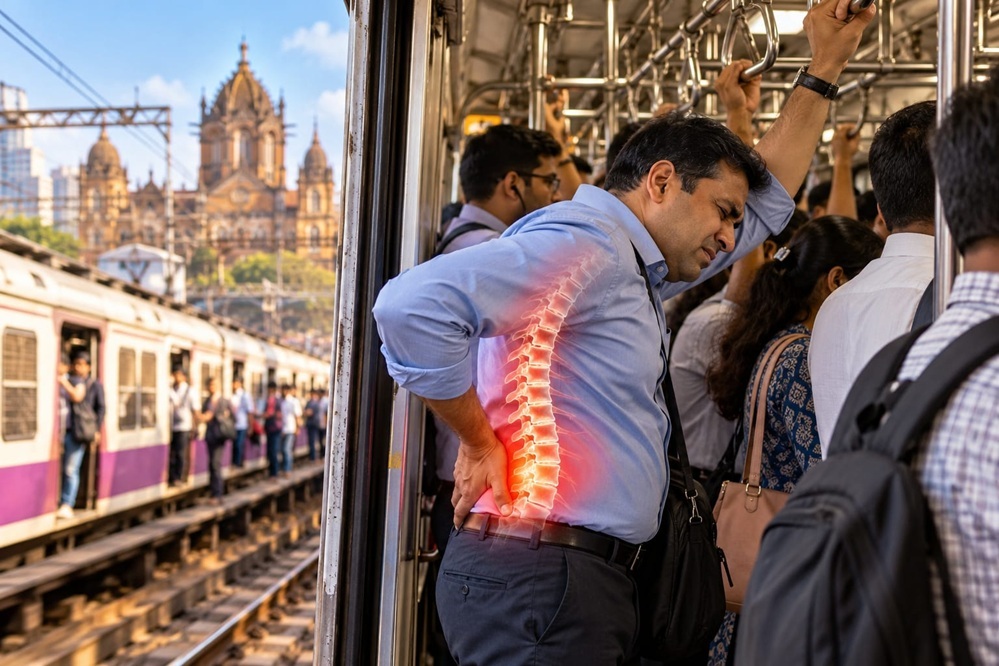
Mumbai : As millions of Mumbaikars navigate crowded local trains, long hours of standing, traffic congestion and bumpy roads, spine health is emerging as an important aspect of everyday wellbeing. On the occasion of World Spine Day, October 16, spine specialists are urging citizens to recognise early warning signs, improve their posture and adopt healthier daily habits to protect their backs and necks.
According to the World Health Organization (WHO), approximately 619 million people worldwide experienced low back pain in 2020, making it the leading cause of disability globally. The number of cases is projected to reach 843 million by 2050, highlighting the growing need for prevention, early intervention and rehabilitation.
Dr. Kunal Singh, Consultant Spine Surgeon and Pain Specialist at Apex Group of Hospitals, Mumbai, said, “Today, spinal problems are increasingly affecting younger adults due to prolonged screen time, sedentary lifestyles and poor posture. In Mumbai, long daily commutes in crowded local trains, hours spent standing and travelling on uneven roads can add to the physical stress on the back and neck. Unfortunately, many people ignore early symptoms such as persistent back pain, neck stiffness, tingling or numbness, assuming they are part of everyday fatigue.”
He emphasised that simple lifestyle changes can support spinal health. Taking regular movement breaks, avoiding prolonged sitting in one position, maintaining a neutral posture while working and using ergonomic seating can help reduce unnecessary strain. Regular physical activity and exercises that strengthen the core muscles are also important.
Dr. Manojkumar Gaddikeri, Consultant Spine Surgeon at Wockhardt Hospitals, Mira Road, said, “On World Spine Day, it is important to understand that spinal health requires consistent care. Taking regular movement breaks, maintaining correct posture, strengthening core muscles and seeking timely medical advice can help prevent minor problems from worsening. Not every spinal condition requires surgery; early diagnosis, appropriate treatment and rehabilitation can make a significant difference. Your spine supports every movement you make—protecting it today is essential for maintaining mobility, independence and quality of life tomorrow.”
Experts advise people not to ignore persistent back pain, neck stiffness, pain radiating into the arms or legs, numbness or tingling. Such symptoms warrant medical assessment, particularly if they persist or worsen. New or progressive weakness, or loss of bladder or bowel control, requires urgent medical attention.
Experts also warn that spinal health habits begin in childhood. Prolonged screen time, bending the neck while using mobile phones, sitting in incorrect positions while studying and carrying heavy school bags improperly can place unnecessary strain on a child’s developing spine. Over time, these habits can contribute to recurring neck pain, back discomfort and postural problems. Parents and teachers should encourage children to sit correctly, keep screens at eye level, use properly fitted schoolbags and participate in regular outdoor activities. Early awareness and healthy movement habits can help children develop better posture and support spinal health as they grow into adulthood.
This World Spine Day, the message is clear: keep moving, maintain good posture and seek expert advice when needed. Protecting spinal health today can help preserve mobility, independence and quality of life for years to come.
****
