


By Suresh Unnithan
The National Film Awards was once the gold standard of Indian cinema. Has it devolved into a ritual of favoritism and selective nostalgia in recent years?
The answer, unfortunately, appears to be yes. The 72nd National Film Awards, announced on July 18, 2026, for films certified in 2024, provides fresh evidence. Mammootty sharing the Best Actor award with Kartik Aaryan for Bramayugam feels less like validation of exceptional craft and more like a ceremonial gesture to a veteran whose stature and regional influence carry weight.
Mammootty commands respect as a pillar of Malayalam cinema. He towers over many contemporaries in presence, range, and personal integrity. Yet, crowning this performance with a fourth National Best Actor honour—placing him alongside Amitabh Bachchan after a 28-year gap—strains credibility. It is a competent turn, not a transcendent one.
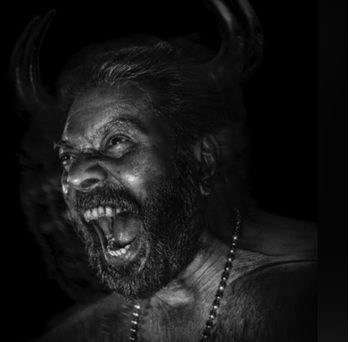
Mammootty’s earlier peaks remain unmatched: the brooding intensity of Oru Vadakkan Veeragatha and Mathilukal (1989), the visceral power in Ponthan Mada and Vidheyan (1993), and the dignified depth of Dr. Babasaheb Ambedkar (1998). These were performances of rare transformative power. In Bramayugam, he delivers a stylised, menacing Kodumon Potti—eerie presence, calculated menace, and atmospheric command in Rahul Sadasivan’s monochrome folk-horror. It benefits enormously from cinematography, production design, and sound, delivering chills through star charisma rather than groundbreaking acting innovation or emotional revelation. Solid, yes. Exceptional by national standards? No.
This raises uncomfortable questions about jury competence and impartiality. Chaired by filmmaker Jayaraj, the panel’s full composition and evaluative rigor remain opaque. Such awards increasingly seem swayed by regional pressures, nostalgia for veterans, or a desire to placate powerful industry voices rather than uncompromising merit. Echoes of Prakash Raj’s critique of compromised processes linger.
Legends like Om Puri, Naseeruddin Shah, Bharat Gopi, and Kottarakkara Sreedharan Nair set enduring benchmarks of authenticity, restraint, and psychological truth. Mammootty is better than most active Malayalam actors and excels in grey, authoritative roles. He is not, however, in their league of consistent, chameleonic mastery. Equating Bramayugam to the pinnacle risks lowering the bar for everyone.
The erosion is clear: when “strong veteran performance in a well-crafted regional film” secures the highest national acting honour, sentiment and influence appear to trump objective excellence. Mammootty merits acclaim for his long career, but this win feels like selective nostalgia and industry courtesy more than pure artistic judgment.
Until National Awards restore transparent, fearless evaluation free from favouritism, they will continue sliding from gold standard to predictable ritual. Indian cinema—rich in talent across languages—deserves far better.
