


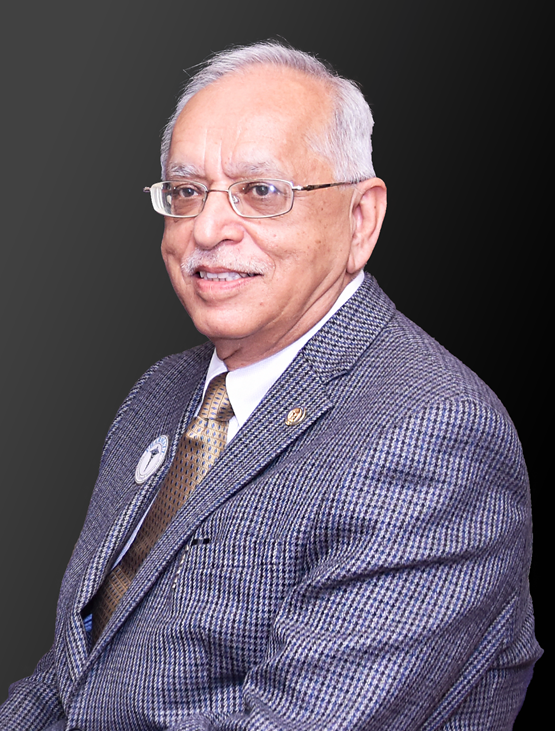
New Delhi : In a major development for stroke care, Dr. Anil Gulati, an Indian-origin scientist and pharmaceutical innovator, has developed a novel drug that could significantly change how acute ischemic stroke is treated worldwide.
Dr. Gulati is the inventor of Sovateltide, a first-in-class drug designed for patients suffering from acute cerebral ischemic stroke—the most common type of stroke, which is caused by reduced blood flow to the brain. The drug is being developed by Pharmazz Inc., a company founded by Dr. Gulati, where he serves as Chairman and Chief Executive Officer. He is also Professor Emeritus at Midwestern University and the University of Illinois at Chicago (UIC).
A Different Approach to Stroke Treatment:
Unlike conventional “clot-busting” drugs such as tissue plasminogen activator (tPA), which aim to dissolve blood clots and must be administered within a narrow window of about 4.5 hours, Sovateltide works through a completely different mechanism.
Sovateltide stimulates Endothelin-B receptors in the brain, triggering the body’s own repair systems. This process promotes:
• Neurogenesis: The formation of new neurons.
• Angiogenesis: The development of new blood vessels.
By fostering these processes, the drug helps the brain recover from stroke-related damage rather than merely restoring blood flow.
One of the drug’s most significant advantages is its extended treatment window. It can be administered up to 24 hours after the onset of a stroke, potentially benefiting a much larger number of patients who are unable to reach hospitals quickly.
Proven Results in Indian Clinical Trials:
Sovateltide has already been approved for use in India, where it is marketed under the brand name Tyvalzi. Its approval followed a successful Phase 3 clinical trial involving stroke patients across multiple centers in the country.
At 90 days post-stroke, patients treated with Sovateltide showed markedly better recovery outcomes compared to those receiving standard care alone:
• Functional Independence: Achieved by 76.25% of patients treated with Sovateltide, compared to just 53.58% in the control group.
• Neurological Recovery: Observed in 85% of patients, versus 67.95% under standard treatment.
• Daily Activities: A significantly higher proportion of patients achieved near-complete recovery in their daily activities.
Importantly, the drug demonstrated a strong safety profile, showing no increased risk of brain hemorrhage—a major and frequent concern associated with existing clot-busting therapies.
US and Global Trials Underway:
Encouraged by these results, Pharmazz has launched a large-scale Phase 3 clinical trial in the United States and Europe known as RESPECT-ETB, which will involve over 500 patients.
The trial is being conducted under a Special Protocol Assessment (SPA) with the US Food and Drug Administration (FDA), meaning the study’s design has already received regulatory agreement. The trial is expected to conclude in middle 2027, with results anticipated in early 2028.
Broader Impact on Global Stroke Care:
Stroke remains one of the leading causes of death and disability worldwide. Due to currently narrow treatment timelines, fewer than 15% of stroke patients receive effective acute drug therapy. Experts believe that a 24-hour treatment window could dramatically expand access to care and improve outcomes for millions of patients globally.
Consequently, the global market for acute ischemic stroke treatment is estimated at around $10 billion, and drugs that can safely extend treatment eligibility are considered potential game-changers.
Other Life-Saving Innovations:
Dr. Gulati is also the inventor of Centhaquine, a drug used to treat hypovolemic shock caused by severe blood loss. Marketed in India as Lyfaquin, the drug is already in clinical use, further underscoring his contributions to emergency and critical care medicine.
