


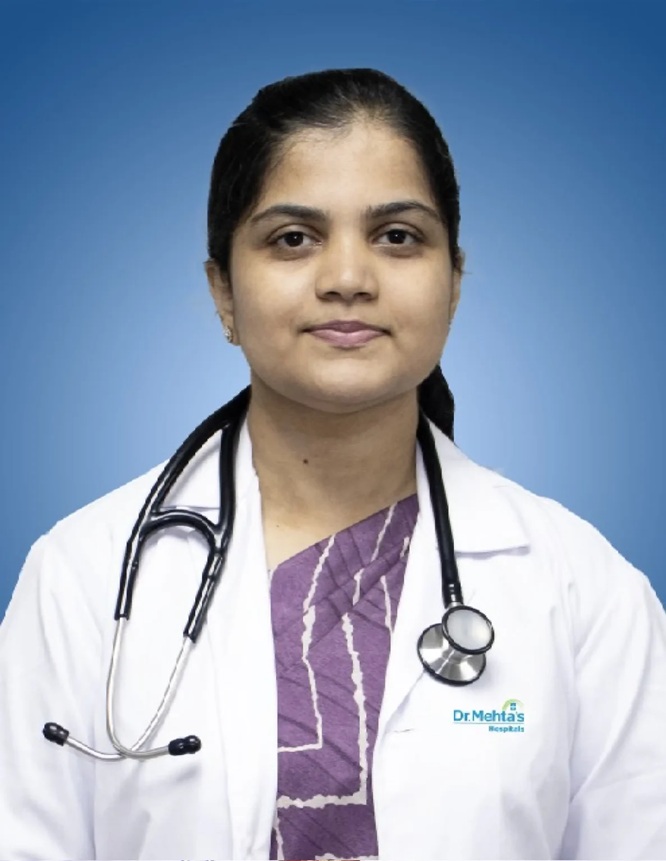
Dr. Nikath Nasreen, Senior Consultant Obstetrician & Gynaecologist, Dr. Mehta’s Hospitals, Chetpet
For many women today, motherhood is no longer confined to their twenties. With increasing educational opportunities, career aspirations, financial planning, and advances in fertility treatments, more women are choosing to have children after the age of 35. As maternal age continues to rise, advances in modern obstetric care have transformed how these pregnancies are managed, making healthy maternal and newborn outcomes more achievable than ever before.
Not long ago, a pregnancy after the age of 35 was almost automatically labelled as “high risk.” Today, that perception has changed significantly. While advancing maternal age does require closer medical attention, it no longer defines the entire pregnancy. With remarkable advances in obstetric care, better screening methods, and individualized pregnancy management, most women above 35 can experience healthy pregnancies and welcome healthy babies.
The most important message is that pregnancy after 35 is not abnormal. It simply requires thoughtful planning, regular monitoring, and care that is tailored to the individual rather than age alone. Every pregnancy is unique, and age is only one of several factors that influence outcomes. As women grow older, certain medical conditions such as high blood pressure, diabetes, thyroid disorders, and obesity become more common. These conditions may increase the chances of pregnancy-related complications such as gestational diabetes, pre-eclampsia, preterm birth, or the need for a caesarean delivery. There is also a gradual decline in egg quality with age, increasing the risk of miscarriage and chromosomal abnormalities such as Down syndrome.
Fortunately, modern obstetrics has evolved tremendously over the past two decades. The journey now begins even before conception. Pre-pregnancy counselling helps identify and optimize medical conditions, review medications, recommend folic acid supplementation, and encourage healthy lifestyle changes. This significantly improves pregnancy outcomes.
Another important change in modern obstetrics is the move towards personalized pregnancy care. Rather than treating every pregnancy after 35 in the same way, modern obstetric care considers the woman’s overall health, previous pregnancies, family history, lifestyle, and individual risk factors. This enables investigations, monitoring, and treatment plans to be tailored to each mother’s individual needs, improving both maternal and fetal outcomes.
Once pregnancy is confirmed, regular antenatal check-ups play a crucial role. Expectant mothers today benefit from advanced ultrasound technology, improved blood tests, and highly accurate screening methods that were not available to previous generations. First-trimester screening and non-invasive prenatal testing (NIPT) can identify the risk of chromosomal abnormalities early in pregnancy, helping parents make informed decisions early in pregnancy.
Ultrasound examinations have also become more sophisticated. Early scans confirm the baby’s growth and heartbeat, while detailed anomaly scans assess the baby’s organs and development. Doppler studies help evaluate blood flow to the baby and placenta, enabling doctors to detect problems before they become serious.
Pregnancy care has also become increasingly multidisciplinary. Depending on individual needs, obstetricians may work alongside physicians, endocrinologists, fetal medicine specialists, anaesthetists, neonatologists, and nutritionists to ensure comprehensive care throughout pregnancy and childbirth. This collaborative approach has significantly enhanced safety for both mother and baby.
Women at higher risk of pre-eclampsia may receive low-dose aspirin during pregnancy based on current guidelines. Careful monitoring of blood pressure, blood sugar, and fetal growth helps detect complications early, allowing timely intervention. Advances in diabetes management, fetal monitoring, neonatal intensive care, and anaesthesia have further improved both maternal and newborn outcomes.
Equally important is emotional well-being. Women who conceive after years of infertility or fertility treatment often experience increased anxiety throughout pregnancy. Good obstetric care includes reassurance, counselling, and addressing emotional concerns, not just medical issues.
Healthy lifestyle choices continue to make a significant difference. Along with regular medical care, eating a balanced diet, maintaining an appropriate weight, staying physically active as advised by the doctor, getting adequate sleep, avoiding smoking and alcohol, and attending all scheduled antenatal visits contribute significantly to a healthy pregnancy. Many women wonder whether they will automatically require a caesarean section after 35. Not necessarily. The mode of delivery depends on the health of the mother, the baby’s condition, and the progress of labour rather than age alone. Many women above 35 have completely normal vaginal deliveries.
Today, pregnancy after 35 is no longer viewed with the uncertainty it once was. With early registration, regular antenatal care, evidence-based medical management, and timely intervention whenever required, the vast majority of women can enjoy healthy pregnancies and healthy babies.
Age is only one part of the story. Good preparation, informed decision-making, and receiving the right care at the right time are what truly make the difference. With the support of modern obstetric care, pregnancy after 35 can be every bit as fulfilling and rewarding as any other stage of motherhood.
