


By Nanditha Subhadra
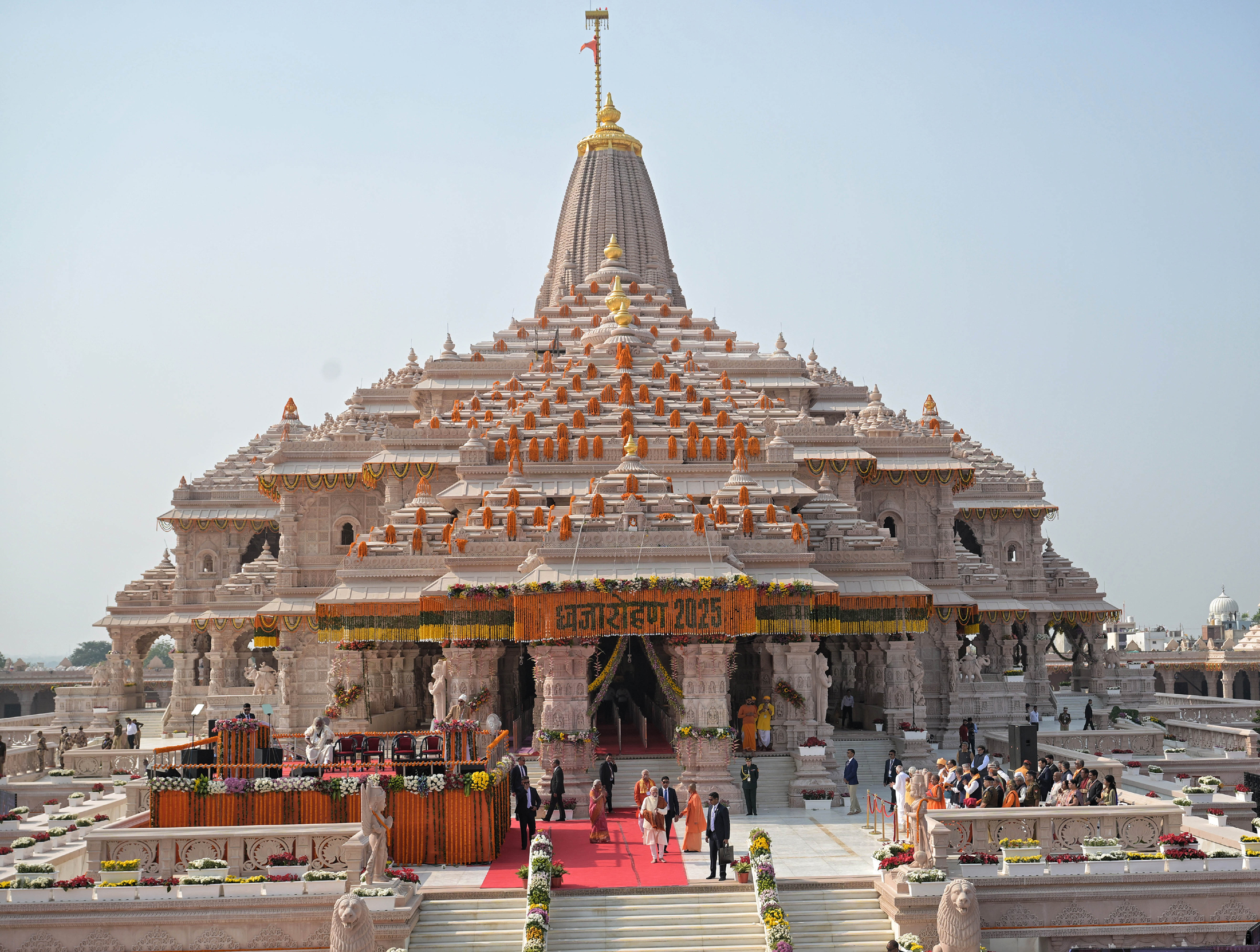
Ayodhya, the city that was supposed to embody the pinnacle of Hindu resurgence and cultural renaissance, has found itself starring in a rather less divine production: The Great Chadhawa Heist. While millions of devotees poured their faith—and hard-earned rupees—into the Ram Temple’s donation boxes, a select few in the RSS-led Sangh Parivar ecosystem apparently treated the hundi like their personal piggy bank. The latest scandal of systematic embezzlement of offerings has not just dented the halo; it has smashed it to smithereens, leaving the self-proclaimed guardians of Sanatana Dharma looking suspiciously like the very “temple looters” they once railed against.
The irony is thicker than the ghee in a Ram bhakt’s prasad. For decades, the Sangh Parivar—RSS, VHP, BJP, and the extended family—positioned itself as the incorruptible vanguard against Nehruvian secularism, dynastic loot, and cultural erosion. They built an entire political empire on the promise of Ram Rajya, where righteousness would reign and public faith would be honoured, not monetised on the sly. Yet here we are: CCTV cameras in the donation-counting room capturing not bhajans but employees stuffing cash into socks, pockets, and who knows what else. The SIT probe has exposed around 70 such incidents, with recoveries in the crores and whispers of Rs 200 crore or more vanishing into the ether. Eight arrests so far, and the net is widening.
Enter the damage control ballet. General Secretary of the Shri Ram Janmabhoomi Teerth Kshetra Trust, Champat Rai—a stalwart VHP figure—and trustee Anil Mishra offered their resignations “on moral grounds.” The Trust promptly accepted them after a stormy meeting, installing an interim arrangement. How touching. These gentlemen, who oversaw an operation raking in thousands of crores in donations since 2020, suddenly discovered morality once the videos leaked and the opposition pounced. Moral responsibility, it seems, is a luxury afforded only after the loot is caught on camera.
The RSS high command, those paragons of organisational discipline, responded with their trademark blend of theatrical anguish and studied vagueness. Chief Mohan Bhagwat, when cornered by reporters, offered a crisp “Ram-Ram” before letting General Secretary Dattatreya Hosabale do the heavy lifting. The Sangh is “deeply pained and angered,” Hosabale thundered, demanding the “strictest possible punishment” for the guilty. Pained? Angered? One wonders if the pain stems from the theft of devotees’ money or the embarrassment of having their meticulously curated image of incorruptibility exposed as just another chadar with holes.
In a rare crack in the Parivar’s famed unity, even the VHP acknowledged that Hindu sentiments have been “deeply hurt.” No kidding. The very people who mobilised kar sevaks, orchestrated movements, and turned a disputed site into a national temple project now face accusations of turning the finished product into a cash-skimming operation. Opposition parties, particularly Congress, are having a field day—demanding a Supreme Court-monitored probe, full accounting of initial funds, and Modi government’s explanation. For once, their barbs land with some sting: if this is how the crown jewel of Hindutva is managed, what hope for the rest?
The UP government, under Yogi Adityanath, swung into action with an SIT, arrests, and audits. Preparations are afoot to overhaul the Trust with a CEO-like model for better “transparency.” Excellent. Because nothing says accountability like reorganising after the horse has bolted, possibly to the tune of several hundred crores. The Trust claims most funds were spent on construction or safely deposited, with audited figures around Rs 3,000+ crore. Devotees are urged to trust the process. But after socks-full-of-cash episodes, trust is in short supply.
This episode is more than a financial scandal; it is a morality play exposing the rot that power inevitably invites. The Sangh Parivar, long quick to lecture others on dharma and nyay, now finds its own house under audit. The Ram Temple was never just bricks and mortar—it symbolised a civilisational assertion. To see that symbol tainted by petty pilferage and administrative arrogance is not just unfortunate; it is a profound betrayal of the millions who donated in good faith, often forgoing their own needs.
As investigations proceed and more heads potentially roll, the Parivar would do well to remember: Ram doesn’t need defenders who treat His temple like a family ATM. Devotees expect seva, not self-service. The resignations and probes are a start, but real redemption lies in ruthless transparency, not press statements laced with selective outrage. Otherwise, the next time the Parivar calls for Hindu awakening, the response might be a collective yawn—or worse, a demand for their own accounts.
