


By Suresh Unnithan
In the grand theatre of Indian democracy, where the audience pays with their votes and taxes, the real stars aren’t the ones delivering fiery speeches from the podium. They are the agile acrobats who flip, twist, and land gracefully in whichever ring offers the best lights, mics, and ministerial berths. Welcome to the world of turncoat politicians — those noble souls who treat ideology like yesterday’s newspaper: useful for wrapping fish, but easily discarded when a shinier opportunity knocks.
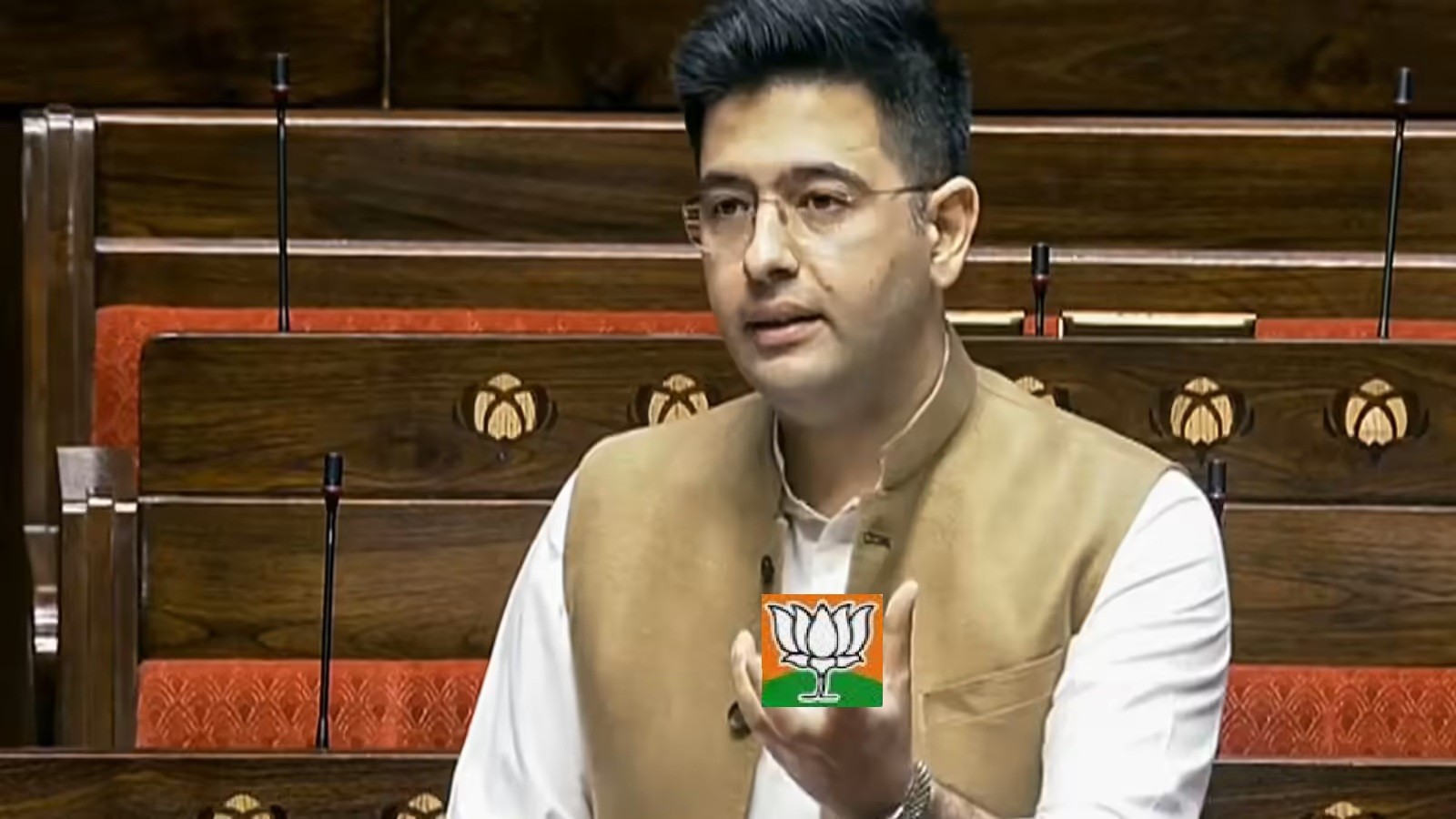
Take the latest spectacle unfolding before our eyes. Raghav Chadha, once hailed as the intellectual face of the Aam Aadmi Party (AAP) — the party that rose on the lofty promise of cleaning up politics, fighting corruption, and standing as the sworn enemy of the Bharatiya Janata Party (BJP) — has decided it’s time for a change of scenery. The man who eloquently tore into the BJP’s policies in Parliament and on prime-time debates has now gracefully merged into the very party he once painted as the root of all evil. And not alone! Reports suggest a significant chunk of AAP’s Rajya Sabha MPs, invoking the magical two-thirds merger clause, have tagged along for the ride.
Chadha’s transformation is poetic. Yesterday, he was the sharp-suited crusader against “fascism” and cronyism. Today, he sees the light — or perhaps the brighter prospects of power and influence. In his parting words, one can almost hear the sigh of relief: “I was the right man in the wrong party.” How touching. It’s not betrayal; it’s self-realisation. The common voter, who once cheered his speeches against the “suit-boot ki sarkar,” is left wondering if the suit was always meant for the other side.
But why single out Chadha? He is merely the latest performer in India’s longest-running political circus: Aaya Ram Gaya Ram. The term was born in 1967 when Haryana MLA Gaya Lal switched parties three times in a fortnight — Congress to United Front and back, leaving everyone dizzy. Since then, Indian politics has perfected the art of the flexible spine.
Remember Jyotiraditya Scindia? The blue-blooded Congress scion, groomed in the Nehru-Gandhi ecosystem, who suddenly discovered that the BJP’s lotus bloomed sweeter in Madhya Pradesh. In 2020, he led a mass exodus of MLAs, toppling his own party’s government. Ideology? National interest? Those were pesky details. Personal ambition and a better seat at the high table were the real drivers. Congress cried “horse-trading”; Scindia called it “ideological evolution.” The public? They got another masterclass in political gymnastics.
Then there’s the evergreen champion of opportunism, Nitish Kumar of Bihar. The man has changed alliances more times than most people change socks. From BJP to Janata Dal (United) to allying with Congress-RJD, then back to BJP, then out again, and presumably shopping for the next best deal. One day he’s the champion of secularism, the next he’s embracing the very forces he once opposed. Nitish ji’s favourite line must be: “Principles are like rubber bands — stretch them as needed.”
Don’t forget the Maharashtra maestros. Ashok Chavan, former Congress Chief Minister, who jumped ship to the BJP with impeccable timing. Or Milind Deora, the suave Mumbai Congress leader who found the saffron greener. On the other side, we have veterans like Shatrughan Sinha, who left the BJP after years of loyal service (and some memorable dialogues) to join Congress, only to discover that loyalty in politics has an expiry date shorter than milk in Indian summers.
The list is endless and bipartisan. Suresh Pachouri from Congress to BJP. Arjun Singh types who mastered the art of switching for survival. Even cricketer-turned-politician Gautam Gambhir navigated the waters carefully, though some prefer to retire from the game altogether rather than switch teams mid-match. And let’s not ignore the southern and eastern artistes: leaders from Trinamool Congress, Shiv Sena factions, and regional parties who treat alliances like Tinder dates — swipe right when convenient, ghost when not.
What unites these turncoats is their impeccable acting skills. Each switch comes wrapped in high-sounding justifications: “The party has deviated from its ideals.” “For the greater national interest.” “The people demanded it.” Rarely do they admit the truth: “The other side offered a better portfolio, more tickets for my relatives, or simply dropped those inconvenient CBI cases.”
The satire writes itself. Imagine a politician’s wardrobe: one shirt half-khadi (for the aam aadmi image), one half-saffron (for the nationalist vibe), and a secret pocket full of “compromise fabric” that blends seamlessly. Their CVs should include “Expert in ideological contortionism — can defend any position with equal passion within 24 hours.”
Voters, the eternal clowns in this circus, keep buying tickets. They wave flags, chant slogans, and paint their faces in party colours. They argue bitterly on social media about who is “real” and who is “opportunist,” forgetting that most leaders view voters as ATMs — useful for withdrawals every five years. The common man sacrifices time, emotion, and sometimes blood in protests or rallies, only to watch his hero shake hands with yesterday’s villain and share a dais, smiling as if nothing happened.
This is the ultimate lesson Raghav Chadha and his fellow somersaulters teach us: In Indian politics, self-interest trumps everything. Ideology is a marketing tool. National interest is a convenient slogan. Power and pelf are the only constants. There is no heartbreak, no guilt — just a pragmatic calculation of which chair offers the softest cushion and the longest tenure.
The public must learn to treat politicians like weather forecasts: listen politely, but carry an umbrella anyway. Blind support is the fertilizer that helps these turncoats bloom. Demand accountability, not loyalty to individuals. Support ideas and governance, not charismatic faces who change colours faster than a chameleon on a rainbow.
Until then, the show goes on. The acrobats will keep flipping. The ringmaster (the voter) will keep applauding. And democracy, that poor old elephant, will continue performing tricks while wondering why the peanuts taste so bitter.
In the end, perhaps the real intellectuals aren’t the ones giving TED-style talks in Parliament. They are the voters who finally realise: In politics, there are no permanent friends or enemies — only permanent interests. And the biggest interest is always, unapologetically, their own.
