


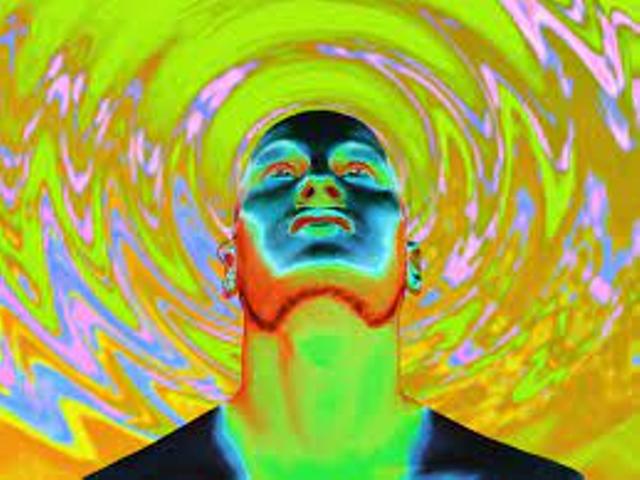
Microdosing lysergic acid diethylamide,commonly known as LSD, is an illegal drug that alters the senses and cause hallucinations.
It was first synthesized in 1938 by a Swiss chemist, Albert Hofman, to treat respiratory depression. In 1943, Hofman accidentally discovered its hallucinogenic properties when he absorbed some through his skin.
Over the next 15 years, LSD was used as an anesthetic and to support psychoanalysis. The counterculture of the 1960s led to it being used for recreational purposes.
As tales of psychedelic “trips,” psychotic behavior, and random acts of violence gained media attention, production was stopped, and in 1967, LSD was banned and classified as a Schedule 1 drug with no acceptable medical use. Its popularity has decreased since the 1970s.
It remains illegal in the United States (U.S.) and elsewhere.
Street names include acid, purple haze, dots, and blotter.
Fast facts on LSD
Here are some key points about LSD.
Naturally occurring hallucinogens have been used for thousands of years in various cultural rituals.
In 2013, some 1.3 million people aged 12 years or older, or 0.5 percent of the population in the U.S., had used hallucinogens.
LSD is a potent and illegal hallucinogen that blurs the line between perception and imagination.
Use may trigger the onset of schizophrenia in those predisposed to the condition.
Effects can last up to 12 hours.
LSD is an illegal, semi-synthetic drug that combines natural and man-made substances. It is derived from ergot, a fungus that grows on certain grains, and a non-organic chemical called diethylamide.
It stimulates serotonin production in the cortex and deep structures of the brain, by activating serotonin receptors.
These receptors help visualize and interpret the real world. The additional serotonin allows more stimuli to be processed that usual. Normally, the brain filters out irrelevant stimuli, but with LSD this is not the case.
This overstimulation causes changes in thought, attention, perceptions, and emotions.
These alterations appear as hallucinations. Sensations seem real, but they are created by the mind.
The perceptions can involve one or more of the five senses. It can also cause blending of the senses, known as synesthesia. People report “hearing” colors and “seeing” sounds.
Users of LSD talk about good or bad “trips,” or experiences.
Effects on perception
LSD can trigger a range of perceptual changes, often relating to vision, touch, emotions and thinking.
Visual effects include brightened, vivid colors, blurred vision, distorted shapes and colors of objects and faces, and halos of light.
Changes related to touch include shaking, pressure, and lightheadedness.
Mood changes can lead to a sense of euphoria, bliss, peacefulness, dreaminess, and heightened awareness, or despair, anxiety, and confusion. There may be rapid mood swings.
Impact on thinking can lead to a distorted perception of time, either fast or slow, accelerated thoughts, unusual insight or terrifying thoughts, and a sense of transcendence.
LSD is colorless and odorless. A very small amount, equivalent to two grains of salt, is sufficient to produce the drug’s effects.
It is taken orally as capsules, pills, sugar cubes, chewing gum, or liquid drops transferred to colorful blotter paper. Recreational dosage averages between 25 to 80 micrograms (mcg).
The onset of hallucinations occurs within 60 minutes, and it can last from 6 to 12 hours.
Source: Medical News Today
