


By Suresh Unnithan
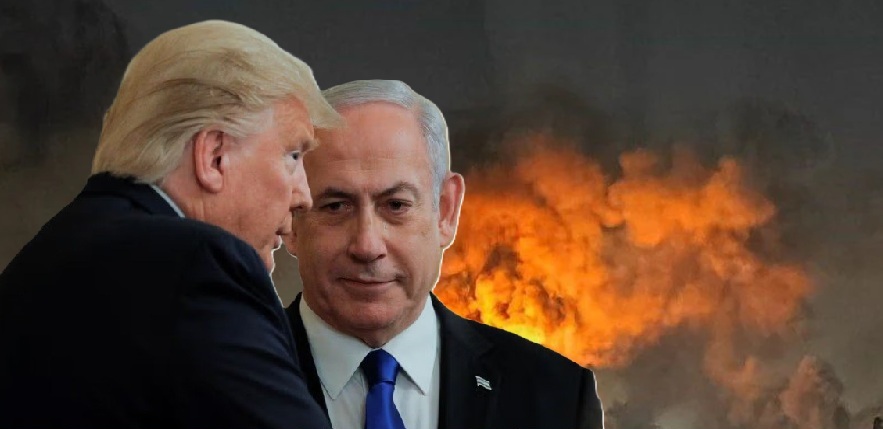
In the escalating flames of the Middle East, a devastating battle between the United States, Israel, and Iran rages on, claiming hundreds of innocent lives, destabilizing economies, and risking wider regional catastrophe. Barely over a week since the February 28, 2026, joint US-Israeli strikes that assassinated Iran’s Supreme Leader Ayatollah Ali Khamenei and pummeled military targets across Tehran and beyond, the war—dubbed “Operation Epic Fury” by the US and similar aggressive names by Israel—appears driven less by pure strategic necessity than by the personal political survival instincts of two embattled leaders: former and current US President Donald Trump and Israeli Prime Minister Benjamin Netanyahu.
This opinion argues that both men have exploited—and arguably ignited—this crisis to deflect from domestic scandals and threats to their power. As missiles continue to fly, with Iranian retaliatory barrages hitting Israeli cities and US-linked sites in the Gulf, public fatigue and outrage grow in both nations, raising the specter of a backlash that could topple the very leaders who stoked the flames.
For Netanyahu, the war represents a high-stakes pivot from his long-standing domestic crises. Facing corruption trials, coalition fractures, and potential elections that could end his dominance, he has long viewed Iran as Israel’s existential foe. The assassination of Khamenei—executed in a precise, intelligence-driven strike on his compound—shifted Israel’s focus from internal divisions to national survival. Yet the unity proved fleeting. Iranian missiles have overwhelmed defenses in places, exposing vulnerabilities and fueling dissent among weary Israelis. Reservists, families of the fallen, and former officials increasingly question whether this escalation prioritizes Netanyahu’s political longevity over genuine security. Economic strain from disrupted trade, sanctions, and war costs only amplifies the criticism, with some drawing parallels to past protests against his judicial reforms.
Trump, returning to power amid renewed scrutiny, seized the Iran crisis as a shield against damaging revelations. Fresh releases and discussions around Jeffrey Epstein-related files—detailing alleged associations and “sexual expeditions”—threatened to undermine his image and the MAGA base. Critics, including some in media and Congress, have dubbed the conflict “Operation Epstein Distraction,” pointing to plummeting public interest in those files since the strikes began. Trump amplified unsubstantiated claims of Iran’s imminent threats, echoing past intelligence controversies, and boasted of quick victory: the US could “destroy Iran in no time.” Instead, the campaign has bogged down into attrition, with US forces committed to weeks (or longer) of operations, mounting casualties, and ballooning costs.
The war’s expansion—now involving Iranian strikes on neighbors, proxy activations, and threats to global oil—highlights the risks. Trump has mused about unrelated escalations (like Cuba), while his administration pushes for “unconditional surrender” and regime change without ground troops. Yet differences with Netanyahu emerge: Trump seeks a swift, controllable outcome (perhaps installing a compliant strongman), while Israel pursues total regime dismantlement to eliminate long-term threats. This misalignment could strain their alliance as the conflict drags on.
At its core, this war betrays democratic accountability. Both leaders have used the fog of war to manipulate narratives, silence critics, and postpone reckonings—Trump through bombastic rhetoric and Netanyahu via eroded institutions. The human toll mounts: civilian deaths in Iran, strained defenses in Israel, American service members in harm’s way, and economic pain from deficits and inflation. Protests swell in US cities, with veterans and youth demanding answers on the war’s true purpose. In Israel, demonstrations echo earlier unrest, connecting war burdens to leadership failures.
Yet public awakening offers hope. Polls show waning support in the US, especially among independents and younger voters, with calls for transparency on scandals and war justifications. In Israel, mass dissent signals a potential tipping point. If this outrage coalesces into electoral or political upheaval, it could force accountability.
Trump and Netanyahu’s high-stakes gamble—igniting a major war to cling to power—has backfired in plain sight. By prioritizing self-preservation over national interest, they risk not only regional Armageddon but their own downfall. The world, and their citizens, deserve leaders who defend nations rather than sacrifice them for personal impunity. As the conflict enters its second week with no clear end, the reckoning may arrive sooner than either anticipated. Peace and democracy demand it.
