


By Suresh Unnithan
In the blistering heat of the Strait of Hormuz, a convoy of supertankers sways like ghost ships at a cancelled victory parade. Engines cold, crews listless, radio chatter laced with dark humour: “Trump said it would be over before the weekend—fast, beautiful, total domination. So why are we still floating here like the last guests at a party everyone else left?” A Marshall Islands-flagged giant breaks the static: “We’re waiting for the ‘any time I want it to end’ moment. Spoiler: it’s not coming.”
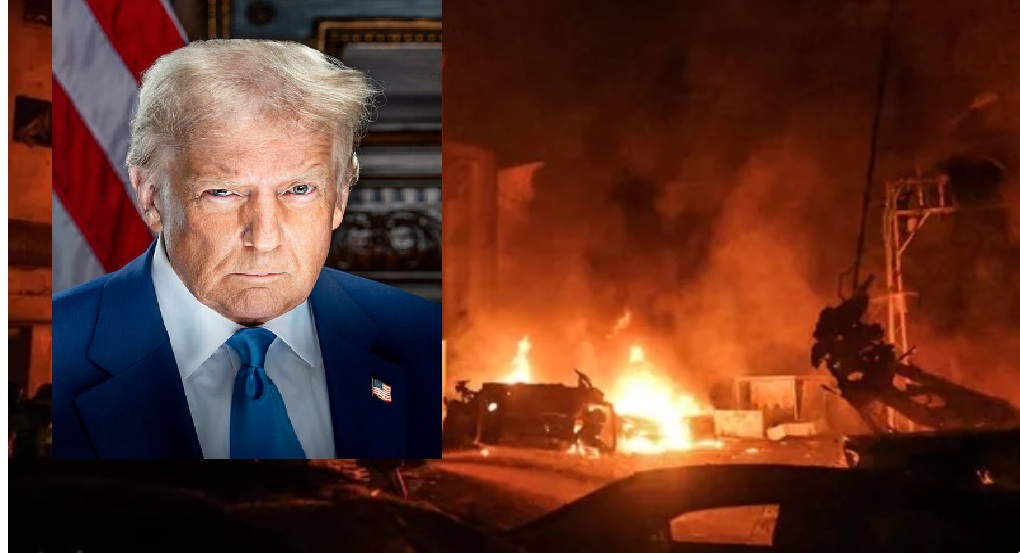
President Donald J. Trump, intoxicated by visions of historic accession—the ultimate legacy trophy of single-handedly humbling Iran—had pitched the campaign as effortless genius. “We’re going to win so fast, so big, your head will spin,” he thundered from Mar-a-Lago. “It’ll be very complete, pretty much over in the first hour.” He boasted Iran’s forces were “obliterated,” its navy “gone like nothing,” its nuclear sites “totally again obliterated—nothing left!” “We’ve already won in many ways,” he told adoring crowds, before the familiar pivot: “but we haven’t won enough. We go forward, more determined than ever.” Threaten the strait? “They will be hit TWENTY TIMES HARDER. Death, fire, and fury like never before.” He even joked sinking their ships was “more fun” than capturing them. The sales pitch was pure Trump: boundless enthusiasm, insatiable hunger for the knockout blow that would etch his name beside Lincoln and Reagan.
The shipping world believed the hype. Executives salivated at the promise of swift reopening and surging profits. Now they watch oil prices rocket while their vessels idle, turning liquid gold into very expensive floating inventory. A Greek captain vents on a private channel: “He said ‘quick in, quick out.’ The only thing quick was how fast our friends disappeared.”
Iran’s response was anything but the scripted collapse. Tehran unleashed firepower Israel had never anticipated—hypersonic and precision-guided missiles slicing through defenses to hammer Tel Aviv suburbs, military compounds, and civilian areas alike. Sirens wailed for days. Worse still for Washington, reports confirmed Iranian salvos striking the USS Abraham Lincoln and other U.S. naval assets and bases throughout the Gulf. Iran’s post-strike leadership, burning for vengeance, declared no compromise, only war. The strait remains choked, mines and threats keeping commerce frozen.
But the real story is Trump’s deepening isolation—a solitude so complete it almost deserves its own spotlight.
Inside the United States, the mood has curdled. Republican senators who once cheered “maximum pressure” now dodge cameras or offer tepid “we support the troops” lines while privately fuming about costs and casualties. MAGA rallies feel smaller, quieter; polls show even core supporters questioning the price tag. Casualty reports—including American service members—and the exodus of over 20,000 U.S. citizens from the region have turned bravado into unease.
Abroad, the abandonment is stark. NATO partners issued polite statements of “concern” before going radio-silent; no joint statements, no offers of matériel, no meaningful consultations. European capitals seethe quietly: France labeled it “strategic recklessness,” Germany reroutes energy flows while muttering about unilateral folly, the UK offers only the barest diplomatic cover. Japan—desperately reliant on Gulf oil—has said almost nothing publicly, instead quietly drawing down reserves and distancing itself from Washington’s adventure. Even traditional Gulf allies, once reliable Iran hawks, face domestic protests and complain bitterly about being blindsided with no warning.
Trump golfs on, phone in hand, undeterred. “We’ve won,” he insists from the fairway. “You never want to say it too early, but we won—big league.” He touts “epic fury,” “major, major strides,” and how the world will soon be “much safer”—any day now. The response from the stranded fleet is merciless sarcasm: one tanker flies a handmade banner, “Mission Accomplished: The Isolation Tour.” Another voice crackles over open frequency: “He wanted the grand accession so badly he forgot you need allies to hold the victory parade.”
The endgame recedes further each day. Iran pounds on, the strait stays strangled, prices soar, casualties mount, and Trump stands increasingly alone—cheered by a shrinking circle at home, ignored or mocked by former partners overseas. The tankers bob in gentle mockery, engines silent, waiting for the “any time he wants it to end” promises that history seems determined to ignore.
As night falls over Hormuz, the captains sigh in unison: “He said victory was coming. Turns out the only thing coming fast was the loneliness.”
