


By Suresh Unnithan
The interim trade framework between the United States and India, announced in early February 2026, has been celebrated by the Trump administration as a “historic” achievement. President Trump has portrayed it as a generous concession, highlighting the reduction of U.S. tariffs on Indian goods from punitive highs of 50% to a “reciprocal” 18%. Yet, a closer examination reveals a profoundly lopsided arrangement that tilts decisively in America’s favor, raising grave concerns about India’s economic sovereignty, energy security, and agricultural stability. Forged under sustained U.S. pressure—including escalating tariffs imposed in 2025 over India’s purchases of discounted Russian oil—this deal resembles less a balanced partnership and more a forced compromise extracted through economic coercion.
The asymmetry is most stark in the tariff structure, where historical context exposes the misleading narrative peddled by Washington. In the pre-Trump era, before punitive measures were introduced, tariffs on Indian exports to the U.S. were minimal—typically ranging from 2% to 5%, with many items, especially in textiles, pharmaceuticals, and IT-related goods, enjoying zero-duty access under preferential schemes. By contrast, Indian tariffs on U.S. goods averaged around 17%, with rates climbing to 100-120% on certain sensitive items like automobiles, luxury goods, and some agricultural products to protect domestic industries. This imbalance reflected India’s status as a developing economy safeguarding its markets while benefiting from low barriers in the U.S.
The 2026 framework upends this dynamic in America’s favor. India is compelled to slash duties to near-zero (or sharply reduce them) on virtually all U.S. industrial goods and a broad swath of agricultural products, including dried fruits, nuts, poultry, and other food items. This opens Indian markets wide to American exporters in high-value sectors like machinery, technology, and subsidized farm produce. Meanwhile, the U.S. imposes an 18% “reciprocal” tariff on select Indian goods—a rate that, far from being a concession, represents a significant escalation from the pre-punitive baseline of 2-5%. The Trump administration’s claim of generously lowering tariffs “from 50% to 18%” is a false narrative: the 50% peak was an artificial penalty tied to geopolitical disputes over Russian oil, not the norm. Restoring access to pre-2025 levels would have meant reverting to minimal duties, not locking in an elevated 18%. True reciprocity, if that was the intent, would require India to mirror the U.S. rate by imposing 18% on American imports—not capitulating to zero. In this deal, India emerges as the clear loser on trade barriers, surrendering protections while facing heightened restrictions on its own exports.
This tariff imbalance is compounded by India’s commitment to halt imports of discounted Russian crude, which had accounted for 30-40% of its oil needs at steep discounts. This shift directly serves U.S. geopolitical goals—isolating Russia and boosting American energy exports—but inflicts severe costs on India. Replacing Russian supplies with pricier U.S. or alternative sources could add billions to India’s annual energy import bill, fueling inflation, raising transportation and manufacturing costs, and eroding export competitiveness. For an economy still navigating post-pandemic challenges and aiming for 8%+ growth, this energy shock threatens to undermine industrial revival and job creation.
The agricultural concessions are equally troubling. Despite official assurances that core staples like rice, wheat, corn, and dairy remain shielded, the deal mandates sharp tariff cuts on a “wide range” of U.S. food products. Subsidized American imports risk flooding Indian markets, depressing prices for local producers and jeopardizing the livelihoods of millions of small farmers. Farm unions, echoing the massive protests of 2020-21 against similar reforms, have already sounded alarms about rural distress, increased inequality, and potential surges in welfare spending. Opening these sectors erodes a longstanding red line for Indian governments, prioritizing U.S. agribusiness interests over domestic food security.
Further tilting the scales is the non-binding “intent” for India to ramp up purchases from the U.S., potentially reaching $500 billion over five years. This would impair India’s already substantial trade deficit with America (over $30 billion annually), flooding the economy with imports while Indian exporters grapple with the new 18% hurdle. Sectors like textiles, gems, and generics—key drivers of Indian exports—stand to lose ground, dimming prospects for manufacturing under the Atmanirbhar Bharat initiative.
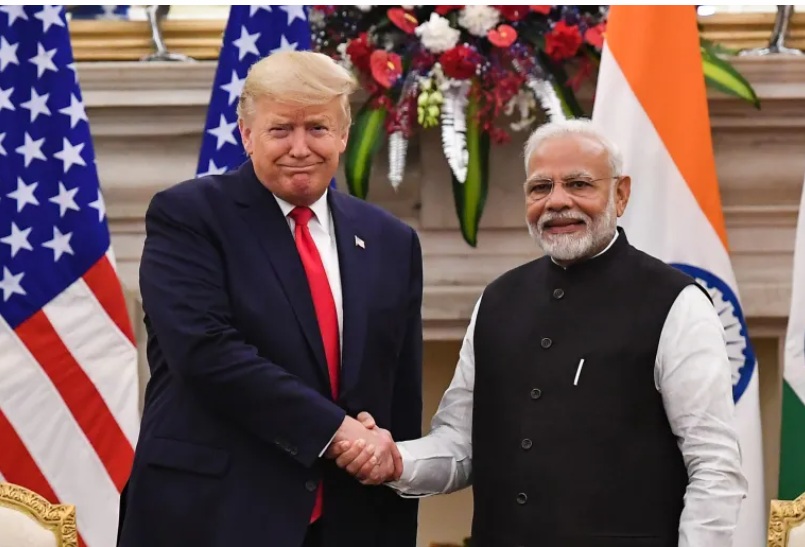
President Trump’s public remarks—lauding Prime Minister Modi as a “great man” who “loves Trump” while cautioning against actions that might “destroy his political career”—have only amplified perceptions of arm-twisting. Set against tariff threats and punitive measures, they highlight the unequal power dynamics in this negotiation.
Ultimately, while the framework offers short-term diplomatic respite and partial market access, its long-term costs to India—higher energy bills, agrarian unrest, widened deficits, and diminished self-reliance—appear prohibitive. This agreement serves as a stark reminder that in high-stakes great-power bargaining, strategic autonomy often demands a price. For India, paying it through such asymmetric concessions risks undermining hard-won economic gains and exposing vulnerabilities in an increasingly volatile global order.
