


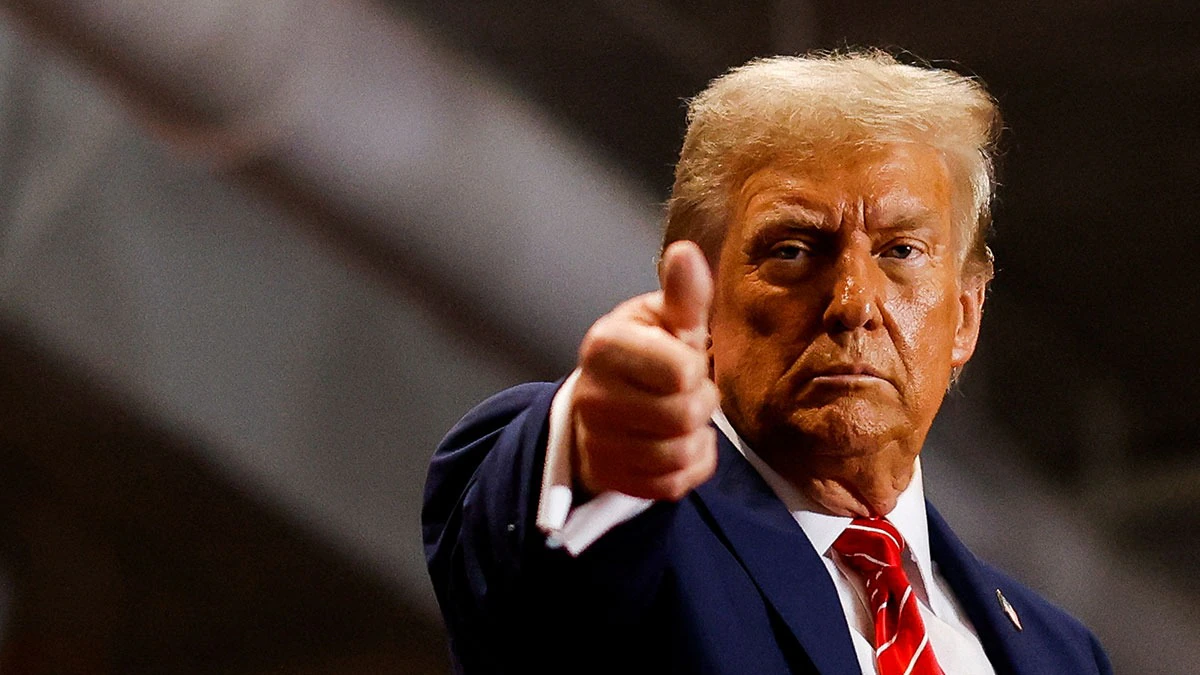
Dubai: In a dramatic twist to months of Middle East turmoil, mediators reported on Saturday that the United States and Iran have reached agreement on the final text of a draft peace deal, with announcements potentially coming within the next 24 hours. US President Donald Trump has expressed strong optimism, while Israeli military operations in Lebanon continue unabated, raising questions about the deal’s scope and durability.
According to Pakistani Prime Minister Shehbaz Sharif, a key mediator in the talks, a “final, agreed upon text” of the peace memorandum has been finalized. Sharif stated that negotiators are now working on the next steps for formalization. Iran’s Foreign Minister Abbas Araghchi echoed this sentiment, telling media that a deal “has never been closer,” though he cautioned against speculative reporting on details. Trump, speaking to reporters, described the prospective agreement as a “great settlement” that could end the conflict, potentially including a signing ceremony in Europe within days.
The proposed framework reportedly includes an immediate ceasefire across fronts, reopening of the strategically vital Strait of Hormuz — which has been disrupted by the conflict, sending shockwaves through global oil markets — and a 60-day window for deeper negotiations on Iran’s nuclear program. Trump has repeatedly emphasized that any deal must ensure Iran forgoes nuclear weapons development or acquisition, with provisions for uranium stockpile management under international oversight.
The US-Iran conflict erupted earlier in 2026 following large-scale strikes by the US and Israel on Iranian targets. A fragile temporary ceasefire was brokered in April, but tensions persisted amid disputes over the Strait of Hormuz and proxy conflicts. Markets reacted positively to the latest developments, with oil prices easing on hopes of restored flows and broader economic stability.
However, the path to peace remains fraught. Iran has described reports as still “speculative” in some statements, while US officials, including Vice President JD Vance, have noted that while progress is significant, finalization is not yet guaranteed. Leaked elements of the draft have shown differing interpretations, with Tehran seeking sanctions relief and asset releases, and Washington demanding verifiable nuclear concessions and regional de-escalation.
Complicating the picture are ongoing Israeli strikes in Lebanon, which Iran insists must be covered under any comprehensive agreement. Despite claims that the prospective deal includes the Israel-Hezbollah front, Israeli forces launched fresh attacks on southern Lebanon on Friday and Saturday, including strikes near Tyre and other areas in the south. Lebanese officials reported casualties, displacement orders for several villages, and significant damage to infrastructure. Israel has justified the operations as necessary to neutralize Hezbollah threats, an Iranian-backed group.
The escalation in Lebanon has displaced over a million people and drawn international concern. UN bodies have called for investigations into potential violations, while Lebanon’s leadership urges diplomatic solutions. The disconnect between the US-Iran track and Israel’s actions highlights the interconnected nature of regional conflicts and the challenges in achieving a holistic truce.
Analysts view the potential US-Iran deal as a pivotal moment that could reshape alliances, energy security, and nuclear non-proliferation efforts. Success might pave the way for reduced hostilities and economic recovery, but failure or partial implementation risks renewed escalation. As diplomats race against the clock, global attention remains fixed on whether this weekend’s developments mark the beginning of de-escalation or another chapter in protracted strife.
For the people of the region — from war-weary Lebanese villages to Iranian cities under sanctions — the stakes could not be higher. Facts over fiction must guide the final push toward stability.
