

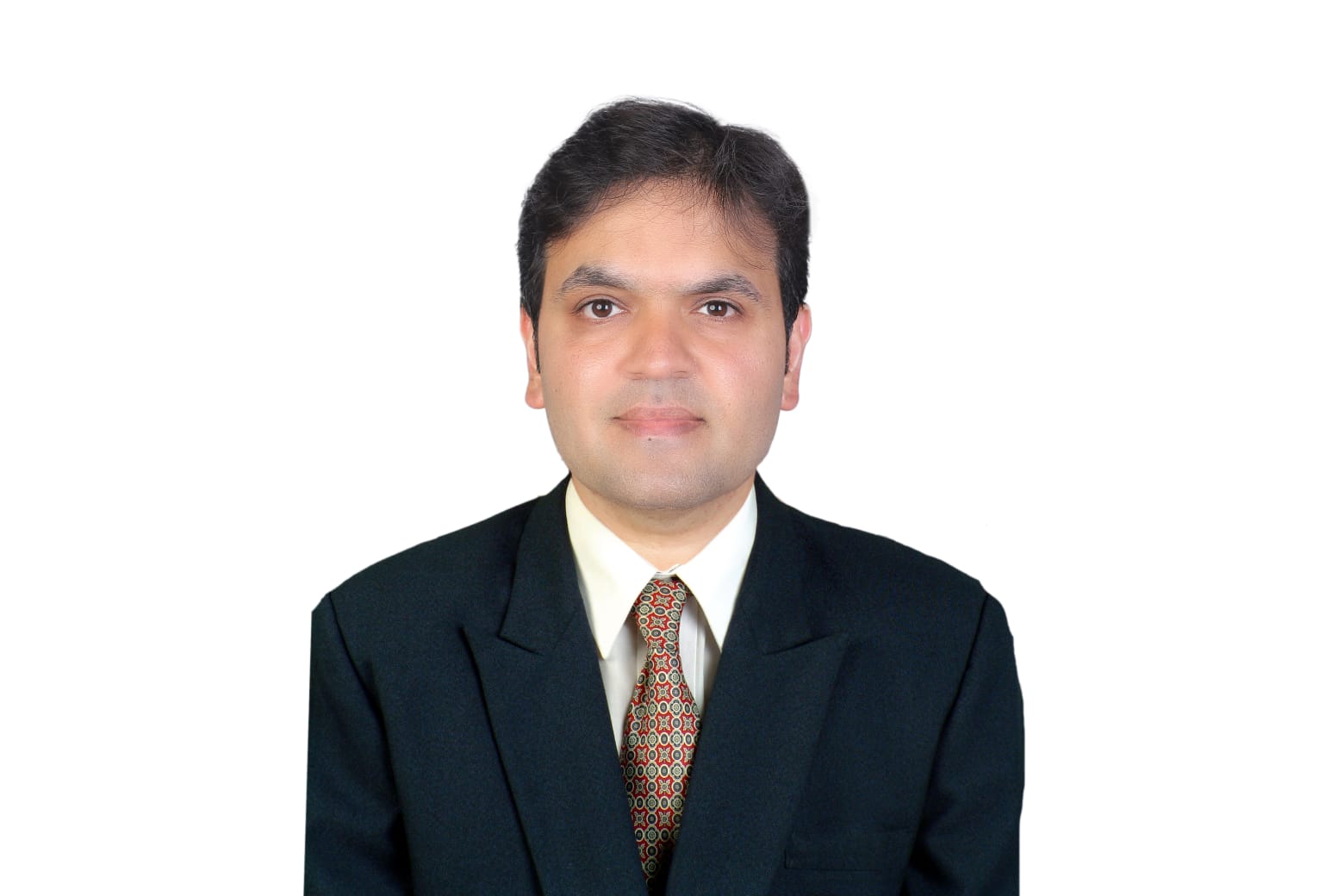
By Jash Panchamia, Promoter, Suraksha Smart City
Mumbai has for many decades moved northwards, with peripheral locations largely serving as residential catchments. The city’s expanding workforce hold key to a familiar pattern that the city’s real estate has evolved around. As land became scarce and property prices rose, it gave impetus to Mumbai’s outward expansion into areas like Vasai. Today, however, that model is changing as these micro-markets are no longer simply absorbing Mumbai’s urban spillover but have quickly doubled up to become urban centres in their own right.
Vasai with a population projected to grow from around 1.3 million in 2011 to more than 2 million by 2030, is entering a defining phase of its evolution. The answer no longer lies in whether it will grow, but in how that growth can be managed. As infrastructure gets planned well, Vasai holds the chance to become one of the Mumbai Metropolitan Region’s first genuinely complete cities. It is already emerging as an urban cluster where housing, employment, infrastructure and community development have evolved alongside.
Known for its traditional fishing communities, heritage churches and tranquil coastal landscape, Vasai has gradually turned into a nodal point that has helped relieve pressure on Mumbai’s overcrowded suburbs. That is an important role, but it no longer defines the emergence of different micro-markets within the modern-day MMR. Infrastructure investment, redevelopment opportunities, policy support and relatively affordable land form the new combination that is now reshaping Vasai into one of regions most significant urban growth corridors.
Equally compelling are the economics behind this transformation. Mumbai’s established residential markets regularly command property values exceeding Rs 50,000 per sq ft, placing home ownership beyond the reach of many middle-income households. Vasai, by comparison, offers quality housing in the range of approximately Rs 8,000-12,000 per sq ft. Naturally, homebuyers are choosing the region not merely because of affordability but also since it offers a better balance between cost, livability and long-term potential. There is a demand for mid-segment housing which is rising and reflects growing end-user confidence. This is a signal that Vasai is steadily shedding its image as a fallback location and becoming a preferred residential choice.
Vasai is a thick in the midst of infrastructure development as the Mumbai-Ahmedabad Bullet Train project is expected to strengthen regional connectivity. Along with upcoming metro corridors promising to significantly reduce travel times and improve daily mobility, road projects, including the proposed Virar-Alibaug Multi-Modal Corridor, are set to further integrate Vasai with Mumbai’s economic centres. Rail connectivity remains another major advantage. Existing access through the Western Railway network is being strengthened by the proposed Vasai-Diva-Panvel rail corridor, creating faster links with Navi Mumbai and the industrial belt. The under-construction Vasai Outstation Terminal will better regionally travel, decongest Mumbai’s existing railway terminals and improve long-distance connectivity.
Unlike central Mumbai, where redevelopment is constrained by fragmented ownership and limited open space, Vasai still has relatively large and contiguous tracts of land. Several are already being unlocked through redevelopment initiatives, creating opportunities for master-planning that integrate housing, retail, schools, healthcare, public spaces and employment. As developers increasingly move beyond stand-alone residential towers, the emphasis is shifting towards building complete communities rather than isolated projects.
Maharashtra’s housing and redevelopment frameworks have been updated to recognise the importance of peripheral growth centres in accommodating future urban expansion. Incentives for redevelopment, improved planning mechanisms and laying greater emphasis on integrated infrastructure are helping accelerate project delivery while encouraging more sustainable growth. Economic activity is emerging as an equally important driver of growth with Vasai is attracting growing interest from commercial establishments, logistics operators, small manufacturers and service businesses.
Vasai is home to most organisations looking at cost-efficient locations even as they remain plugged into Mumbai’s economic ecosystem. The proximity that Vasai offers to transformative projects such as the proposed Vadhavan Port, with the potential for a new airport-linked development, positions the region favourably within country’s evolving economic geography. In the coming decade, logistics, warehousing and decentralised industrial activity have the opportunity to become major employment generators here.
For residents, a rare combination of affordability and long-term value is a reality. Improved infrastructure, expanding employment opportunities and stronger civic amenities are the foundations for sustained growth that give many households something that has become increasingly elusive within Mumbai itself. Vasai is now a realistic pathway to home ownership.
Yet optimism must be accompanied by caution. Rapid urbanisation inevitably places pressure on water resources, transport systems, drainage, waste management and social infrastructure. Traffic congestion, fragmented development and inadequate civic planning could undermine the very advantages that currently distinguish the region. Many of these challenges are already being addressed. Projects such as the Surya Regional Water Supply Scheme will help strengthen long-term water security, while parallel investments in transport infrastructure, public services and urban planning are set to ensure that growth remains sustainable. Coordination between municipal authorities, regional agencies and private developers will be essential if infrastructure is to keep pace with rising demand.
Finally, the emergence of Vasai reflects on a much larger reality confronting Mumbai. The metropolis can no longer depend exclusively on densification within its traditional urban core. Land constraints, escalating property prices and redevelopment limitations mean that future growth must increasingly be distributed across regional centres capable of accommodating both people and economic activity.
Rather than becoming another congested suburban extension, Vasai is well-connected has the potential to establish a benchmark for balanced urban development. An urban renewal that combines housing affordability with employment opportunities and future-ready infrastructure that will bring in a higher quality of life. If infrastructure investment, policy support and thoughtful planning continue to move as it has been, Vasai will go beyond complementing Mumbai’s growth story to becoming one of its telling chapters.
