

Visit Campuses, End Mindset Silos: PM’s Message to Secretaries

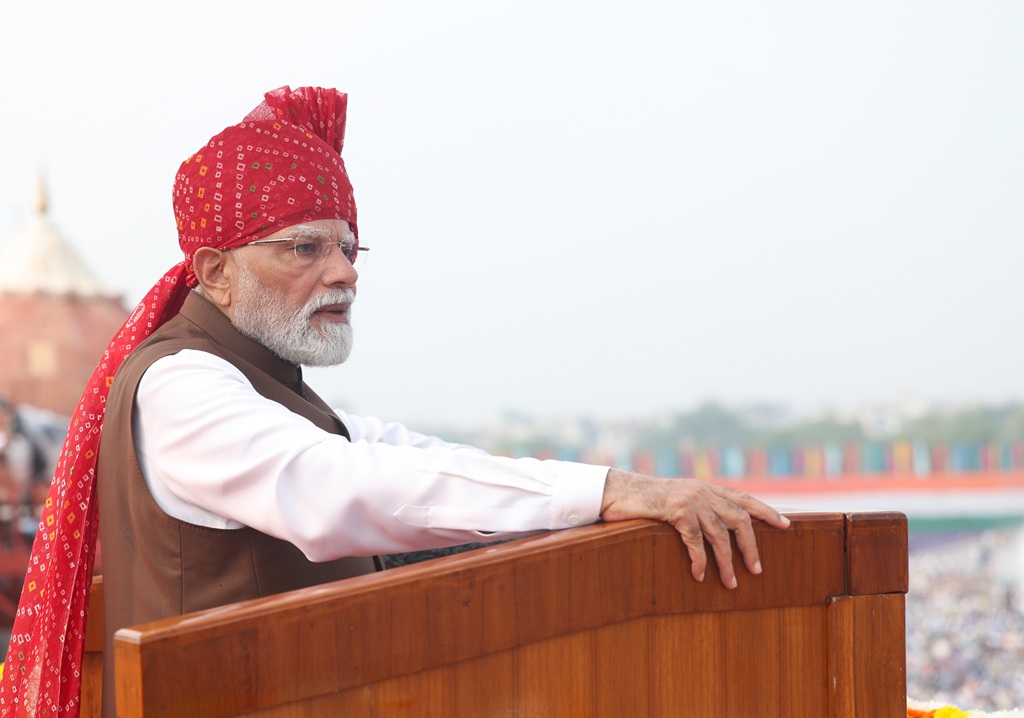
New Delhi: Prime Minister Narendra Modi on Thursday chaired the third high-level meeting with secretaries to the Government of India at his official residence at 7, Lok Kalyan Marg, and delivered a clear directive: top officials must engage far more deeply with the country’s youth and universities to inject fresh, unconventional ideas into policymaking.
The meeting, attended by the Cabinet Secretary and secretaries of key ministries, focused on the future action agenda of departments handling infrastructure and connectivity, security and external affairs, and broader governance issues. Modi noted that two earlier rounds of deliberations with groups of secretaries had already taken place. He now wanted officials to look beyond immediate files, statistics and short-term targets. They must think about how India’s future should be shaped over the long term.
The timing of the appeal was significant. It came against the backdrop of recent youth-led protests at Jantar Mantar and elsewhere over the NEET paper leak and examination irregularities, which had already prompted the Prime Minister to reach out directly to students on social media. Modi told the secretaries that wider engagement between government departments, universities and young people could generate new perspectives that the existing system often misses. “Wider engagement with universities and young people can bring new and unconventional ideas,” the official statement quoted him as saying.
He also addressed a persistent problem in the bureaucracy: silos. These, he said, are not merely an organisational issue but a problem of mindset. Silos can be both horizontal, between departments, and vertical, within them. Officials must take genuine ownership of their responsibilities and work with a spirit of belongingness rather than treating their work as a series of isolated tasks. Informal interactions among officers, he added, were essential to building team spirit.
Modi cited two recent national challenges—the COVID-19 pandemic and the West Asia crisis—as examples of what becomes possible when departments abandon turf battles and work together. He described India’s data as a “national asset and a resource for the future” and called for greater interoperability so that information is not locked inside departmental walls. He also stressed the effective use of artificial intelligence while retaining human judgement and expertise, along with a stronger focus on research and innovation across sectors.
The Prime Minister’s remarks form part of a broader outreach to younger generations. In recent weeks he has asked ministers to visit university campuses, interact with students, and even spend time in government schools in their constituencies. The government has also announced large-scale AI skill training for youth and other measures aimed at Gen Z and Gen Alpha.
By asking the country’s most senior civil servants to leave their offices and listen to students, Modi is attempting to close a gap that recent protests have highlighted. Whether that engagement produces the “fresh perspectives” he seeks will depend on how seriously secretaries take the instruction and how openly they allow young voices to influence the files that ultimately reach the Cabinet. For now, the message from 7 Lok Kalyan Marg is unambiguous: India’s future cannot be planned in isolation from the generation that will live in it.
