


Dr Jaideep Dhamele, Consultant – Paediatric Orthopaedics, Narayana Health SRCC Children’s Hospital, Mumbai
Parents should recognise warning signs such as morning stiffness, joint swelling and persistent limping to ensure timely diagnosis and treatment.
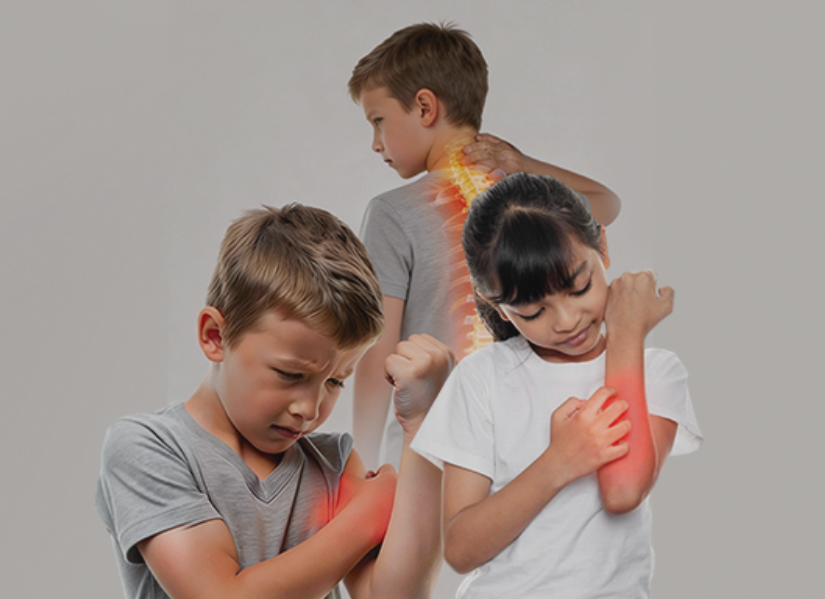
Joint pain is often considered a problem associated with older adults. However, arthritis can affect children and teenagers too. A child who limps after waking up, struggles to climb stairs, avoids playing or finds it difficult to perform everyday activities may be experiencing more than ordinary muscle soreness. Sometimes, these symptoms are mistaken for growing pains, delaying the diagnosis of an underlying joint condition.
Observed every year on October 12, World Arthritis Day highlights the importance of recognising arthritis, understanding its impact and ensuring timely medical care. In children, early diagnosis is particularly important because persistent joint inflammation can interfere with mobility, school attendance, physical activity and, in some cases, normal joint development.
Arthritis Can Affect Children Too
One important condition affecting children is juvenile idiopathic arthritis (JIA), a group of inflammatory joint disorders that begins before the age of 16 and persists for at least six weeks after other possible causes have been excluded.
Unlike pain following a fall or sports injury, JIA may develop gradually. A child may experience joint swelling, stiffness after waking up, reduced movement or difficulty performing routine tasks. Younger children may not be able to describe their discomfort clearly. Instead, parents may notice that the child is using one arm less, refusing to walk, asking to be carried or becoming less active than usual.
The symptoms can vary considerably. Some children develop problems in only a few joints, while others may have more widespread involvement. Certain forms of JIA can also affect the eyes, sometimes without obvious symptoms. Appropriate medical follow-up and eye examinations are therefore important when recommended by the treating specialist.
Not every episode of joint pain indicates arthritis. Injuries, infections and other medical conditions can produce similar symptoms. A proper clinical assessment is essential to identify the cause.
Growing Pains or Something More Serious?
Growing pains are relatively common in childhood. They typically cause aching in the muscles of both legs, often in the evening or at night, and generally resolve by morning. They do not usually cause joint swelling, persistent morning stiffness or ongoing limping.
Parents should seek medical advice if a child repeatedly experiences joint pain accompanied by swelling, warmth, morning stiffness or restricted movement. Other warning signs include persistent limping, difficulty holding objects, reluctance to participate in sports, or trouble dressing because of pain or stiffness.
Certain symptoms require urgent medical attention. A hot, swollen and painful joint accompanied by fever may indicate a joint infection or another serious condition. A child who suddenly cannot bear weight or walk also needs urgent assessment. Such symptoms should never be dismissed as growing pains or managed only with home remedies.
Why Early Diagnosis Matters
Children need healthy, mobile joints to grow, learn and participate in everyday life. Persistent inflammation can cause pain, reduce movement and affect school attendance, sports and social activities. In some cases, inadequately controlled inflammation may damage joints or interfere with growth.
Diagnosis begins with a detailed medical history and physical examination. Depending on the symptoms, a doctor may recommend blood tests, X-rays, ultrasound or other imaging investigations. There is no single test that can diagnose every form of arthritis, and some children with JIA may have normal blood test results. Clinical assessment by an experienced doctor remains central to diagnosis.
Treatment depends on the type of arthritis, the joints involved and the severity of inflammation. It may include appropriate medication, physiotherapy, individually tailored exercises and regular monitoring. The aim is to control inflammation, relieve symptoms, preserve joint function and support the child’s normal development.
Keeping Children Active and Independent
A diagnosis of arthritis does not mean that a child must give up an active childhood. With appropriate treatment and guidance, many children can continue participating in school, play and physical activities.
Movement helps maintain muscle strength, flexibility and joint mobility. Activities should, however, be adapted to the child’s symptoms and abilities, particularly during periods of active inflammation. A treating doctor and physiotherapist can help families develop a suitable activity plan.
Parents can also support their children by encouraging balanced nutrition, adequate sleep and age-appropriate physical activity. Repeatedly giving painkillers or supplements without medical advice is not a substitute for investigating persistent or recurring pain.
A Message for Parents This World Arthritis Day
The most important message is simple: persistent joint pain, morning stiffness and unexplained limping in a child deserve attention—not assumptions that the child will simply grow out of them.
Parents are often the first to notice subtle changes in a child’s behaviour and movement. Recognising these changes and seeking medical advice promptly can make a meaningful difference to diagnosis, treatment and long-term joint health.
This World Arthritis Day, let us look beyond the misconception that arthritis affects only adults. Every child deserves the opportunity to move freely, participate confidently and enjoy an active childhood. Early recognition, appropriate treatment and continued support can help make that possible.
****
