



By Dr Vipul Gupta, Director Neurointerventional Surgery, Sir H.N. Reliance Foundation Hospital, Mumbai
A person in their 20s or 30s is unlikely to think about a brain aneurysm when they develop a severe headache. It is much easier to blame a late night, work stress, dehydration or a migraine and carry on with the day. That is precisely why awareness matters. While brain aneurysms are uncommon in younger adults, they can occur at this age and may remain unnoticed until they cause a serious problem. In some cases, the first sign is a sudden rupture and bleeding in the brain.
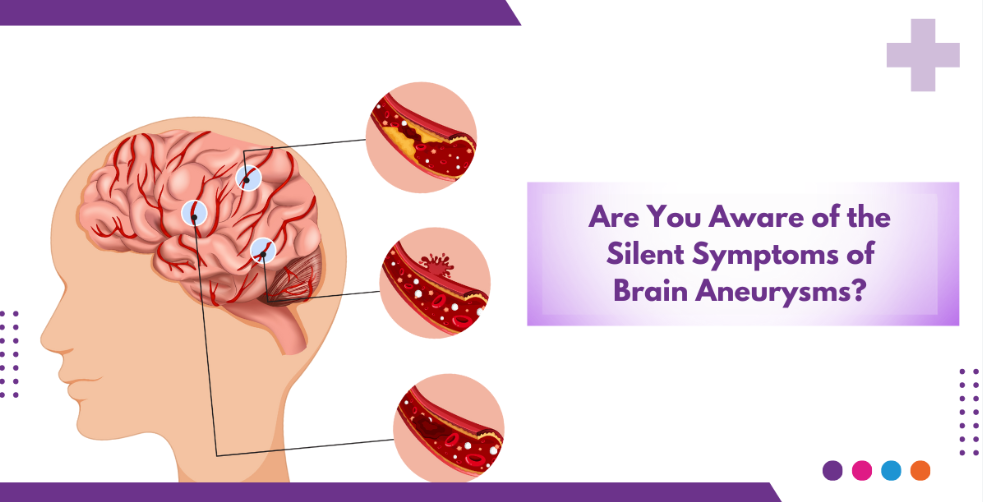
With September being observed as Brain Aneurysm Awareness Month, it is a good time to talk about a lesser-known fact, brain aneurysms can affect younger people too. A brain aneurysm occurs when a weakened area in the wall of a blood vessel supplying the brain develops a bulge. Many aneurysms remain undetected because they do not cause any symptoms and may remain unchanged for years. However, if an aneurysm ruptures, it can cause bleeding around the brain, known as subarachnoid haemorrhage, and become a life-threatening emergency.
The warning signs can vary. A ruptured aneurysm typically causes a sudden, extremely severe headache that reaches its peak within seconds or minutes. It may be accompanied by vomiting, neck stiffness, fainting, seizures, weakness, difficulty speaking, vision problems or confusion. Some aneurysms can also cause symptoms before rupture, particularly when they become large enough to press on nearby nerves. Persistent pain around the eye, double vision, a drooping eyelid or unexplained changes in vision or movement may occur. These symptoms can easily be mistaken for migraine, eye strain or prolonged screen use. Any sudden or unusual neurological symptom warrants medical evaluation.
Age is only one part of the risk. A strong family history of brain aneurysm, certain inherited conditions, high blood pressure and tobacco use can increase concern. Those with a close family history should discuss their individual risk with a specialist. Young people should also make a habit of checking their blood pressure, staying physically active and avoiding tobacco.
When a brain aneurysm is suspected, CT angiography or MR angiography can help identify and assess it, while digital subtraction angiography may be used when a more detailed evaluation is required. If an aneurysm is found, its size, location and appearance, along with the patient’s age, family history and overall health, guide the treatment decision.
For younger patients, this assessment is especially important because they may live with an aneurysm for many years. Some aneurysms can be monitored with regular imaging, while others may require treatment to prevent rupture or re-rupture. Depending on its location and characteristics, treatment may involve a minimally invasive endovascular procedure, where the aneurysm is reached through the blood vessels, or surgical clipping. Advances in neurointervention have made it possible to treat most aneurysms without open surgery, with high degree of safety and efficacy.
Awareness does not mean that every headache requires a brain scan, nor should it create unnecessary fear among young adults. It means knowing which symptoms should not be dismissed and understanding the factors that may increase risk. A brain aneurysm may be uncommon in younger people, but age alone should not rule it out when warning signs appear. The message is simple: know the warning signs, understand your family history and seek urgent medical attention when symptoms are sudden, severe or unusual.
