

Affordable Property Is Not Enough: Key Factors Homebuyers Should Evaluate Before Investing

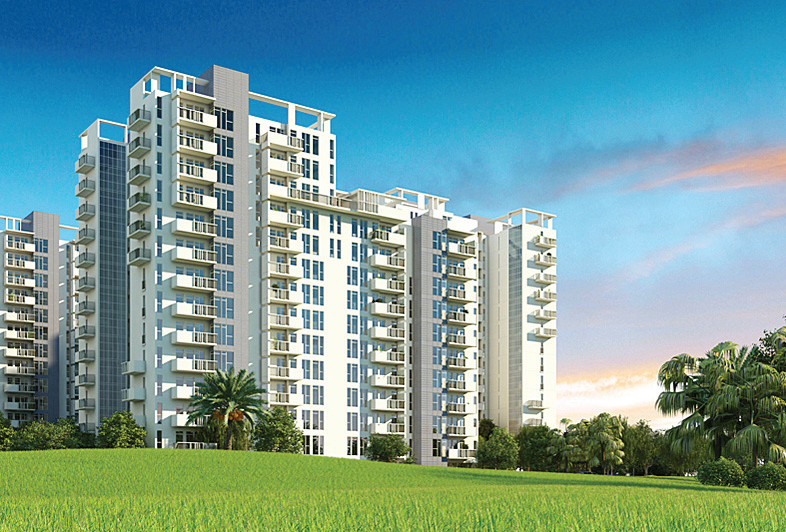
Delhi: As real estate markets expand beyond established metropolitan hubs, emerging cities and developing urban corridors are attracting homebuyers looking for relatively affordable properties and long-term growth opportunities. However, industry experts believe that purchasing a home in an emerging market requires buyers to look beyond attractive prices and potential appreciation. Factors such as infrastructure development, connectivity, social amenities, the developer’s track record and the overall liveability of a location can significantly influence a property’s long-term value.
*Infrastructure and Connectivity Matter*
Infrastructure is among the most important factors to evaluate before investing in an emerging real estate market. Existing and planned road networks, highways, public transport connectivity and proximity to employment centres can influence residential demand over time. However, buyers should distinguish between infrastructure that is operational and projects that are still at the planning or construction stage.
Harvinder singh sikka, chairman Sikka Group said, “Buyers should evaluate how well a location connects with workplaces, educational institutions, healthcare facilities and major commercial centres. Proposed infrastructure can create future opportunities, but investment decisions should be based on verified project timelines and the current accessibility of the location.”
Connectivity alone, however, does not guarantee that a residential location will become a successful real estate destination. The availability of everyday services and the development of a functional neighbourhood are equally important.
*Developer Credibility and Project Execution*
The credibility of the developer is another critical consideration, particularly in emerging markets where several projects may be launched simultaneously. Homebuyers should examine the developer’s delivery record, construction quality, financial credibility and ability to maintain projects after possession.
Buyers should also verify the project’s registration with the relevant state real estate regulatory authority, applicable approvals, land title documents and the terms of the sale agreement. In India, checking the project’s registration and disclosures on the relevant state’s RERA portal can help buyers make more informed decisions.
Yash Miglani, Managing Director, Migsun Group said, “An attractive price should never be the sole reason for choosing a property. Homebuyers need to assess the developer’s past delivery record, legal approvals, construction standards and transparency in documentation. These factors help reduce risks and provide greater clarity about the investment.”
*Social Infrastructure and Everyday Convenience*
The presence of schools, hospitals, retail centres, grocery stores, parks and recreational facilities can determine whether a location is suitable for long-term residential use. While some emerging markets offer large residential developments, the surrounding social infrastructure may take time to mature.
For end-users, the availability of essential services within a reasonable distance can improve daily convenience and reduce dependence on long commutes. For investors, established social infrastructure may also support sustained tenant demand and make a property more attractive to prospective buyers.
Sunil Goel, Managing Director, Numax City said, “Homebuyers are increasingly evaluating the complete residential ecosystem rather than looking at the apartment or plot in isolation. Access to schools, healthcare, shopping facilities, green spaces and other daily necessities can influence both the living experience and the long-term appeal of a residential development.”
*Long-Term Liveability and Investment Potential.
Another important consideration is the long-term development potential of the surrounding area. Buyers should examine whether residential growth is supported by employment opportunities, commercial activity, civic infrastructure and a sustainable urban development plan.
The availability of water, electricity, sewage systems, drainage and waste management facilities is particularly important. In addition, buyers should understand the recurring costs associated with maintenance, property taxes, financing and other ownership expenses.
Experts caution against relying solely on projected appreciation or promotional claims. Property prices may not rise at the expected pace, particularly if infrastructure development is delayed or housing supply exceeds demand.
Manoj Kumar Garg, Chairman, Northwind Estates said, “An emerging real estate market should be assessed through the lens of long-term usability and sustainable demand. Buyers who consider infrastructure, civic amenities, neighbourhood development and the overall quality of life are better positioned to evaluate whether a property meets their personal requirements and investment objectives.”
As India’s urban footprint continues to expand, emerging real estate destinations are likely to remain part of the homebuying conversation. Nevertheless, informed decisions require a balanced assessment of affordability, legal compliance, infrastructure readiness and future liveability. Ultimately, a property’s true value depends not only on its purchase price but also on the quality of life it offers and the strength of the ecosystem developing around it.
****
