

Anto Augustine’s Arrest Is Not an Attack on Journalism — It Is a Warning to Its Black Sheep

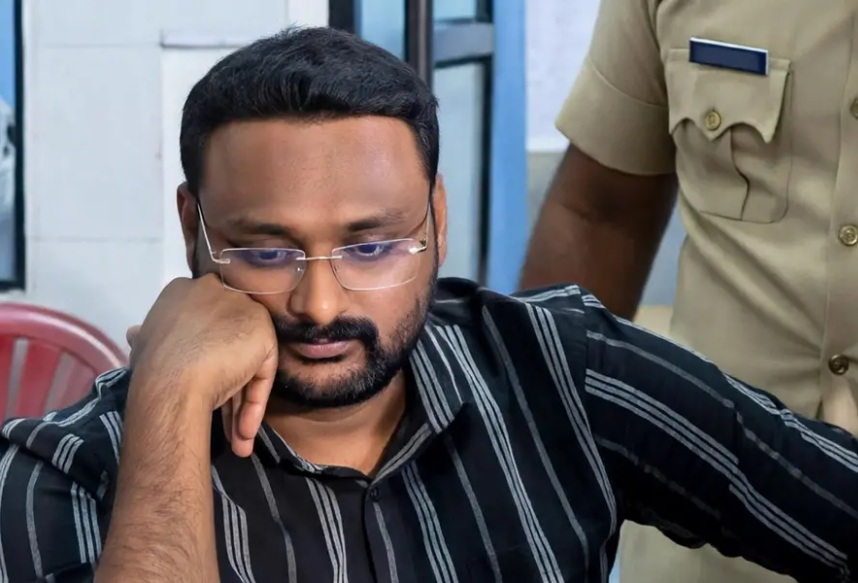
The arrest of Reporter TV managing director and managing editor Anto Augustine is not an assault on the press. It is a reminder that the fourth estate is not a sanctuary for those who wear a journalist’s coat to hide other dealings. When the law finally reaches such persons, the first reflex of some colleagues is to shout “press freedom.” That reflex is precisely what corrodes the credibility of those who still practise real journalism.
Augustine is not facing one inconvenient case. In a span of days he has been named in three separate criminal proceedings. First, Kalamassery police registered an FIR naming him first accused and Reporter Broadcasting Company second accused in the failed Lionel Messi–Argentina match project, alleging cheating and criminal conspiracy, including insertion of illegal or fake details into agreements and an attempt to obtain the Kaloor stadium without the stipulated security deposit. Second, Thiruvananthapuram cyber police registered another FIR against him as first accused over alleged forged documents concerning Chief Minister V.D. Satheesan’s purported second marriage, invoking provisions on forgery, conspiracy, possession of forged public records and defamation. Third, after the SIT search at his ancestral house in Wayanad recovered liquor far above the legal limit for personal possession — including a quantity described as suspected illicit liquor — the Excise Department booked him under the Kerala Abkari Act. He was arrested from the channel office, remanded, and denied bail. He has denied the liquor charge and said he does not drink. The courts will decide the facts.
This cluster does not stand in a vacuum. Augustine and his brothers have long been accused in the Muttil tree-felling controversy in Wayanad — a web of forest and cheating cases over alleged illegal felling and sale of valuable timber. Those older matters remain part of the public record. A man simultaneously answering forest cases, a sports-event fraud probe, a forgery-and-defamation FIR and an Abkari arrest cannot reasonably be packaged as a simple prisoner of conscience.
The profession’s instinct to treat any owner-editor in trouble as a martyr is the real danger. Journalism is a public trust, not a private shield. A newsroom is not a warehouse. A channel licence is not immunity from the Abkari Act, the penal code or commercial honesty. When someone uses the titles “journalist,” “managing director” and “managing editor” as armour against investigation, the public stops distinguishing between the reporter who risks a story and the operator who uses the story as cover.
Those who rush to defend Augustine as if the entire media is under siege collapse that distinction. They teach the audience that “media person” means “untouchable.” Once every microphone is suspected of hiding a racket, even honest reporting is dismissed as another racket. Credibility is not restored by solidarity with the accused; it is restored by distance until the courts speak.
Kerala’s media space has long tolerated political proximity, event-brokering and the convenient cry of “source protection” when questions arrive at the door. That culture invites termites. They do not announce themselves as enemies of press freedom. They announce themselves as owners, editors and “voices of the people.” They thrive because colleagues fear being branded traitors if they refuse to form a human chain around every accused colleague.
Weeding them out is not authoritarianism. It is self-preservation. Press freedom exists to protect the act of informing the public, not the person who happens to own a channel and occupy the editor’s chair. The long arm of the law is not journalism’s enemy; impunity wearing a press card is. Those who confuse the two are not defending the fourth pillar. They are hollowing it out from inside.
