

BJP’s Kerala Impasse: Flawed Leadership, Opportunistic Migrants, Vision Vacuum Ahead of 2026

By Geetha V P
The Bharatiya Janata Party (BJP) continues to face an uphill battle in establishing a strong foothold in Kerala, a state long dominated by the Left Democratic Front (LDF) and the United Democratic Front (UDF). While the party has achieved modest gains—such as better showings in local body elections and strategic alliances like the recent partnership with Twenty20—its overall electoral prospects remain limited. The current state leadership’s approach has drawn scrutiny for potentially hindering broader acceptance among Kerala’s discerning electorate.
A significant point of concern is the party’s reliance on leaders who have migrated from other parties, particularly from the Congress. Figures like Padmaja Venugopal, daughter of former Chief Minister K. Karunakaran, exemplify this trend. Such defections are often perceived as motivated by personal ambitions, pursuit of power, or seeking protection from investigations rather than genuine ideological alignment. Voters in Kerala, known for their high literacy and political awareness, closely observe these shifts. When individuals who previously criticized the BJP or its national leadership in strong terms—sometimes using harsh language—join the party, it raises questions about the BJP’s principles and willingness to accommodate opportunism for short-term gains.
This pattern risks eroding the party’s credibility. Neutral and impartial voters may view the BJP as no different from other parties that prioritize power over consistency or values. They see it as willing to overlook past criticisms or controversies to expand influence, which can alienate those who value ideological integrity and principled politics. In a state where secularism, communal harmony, and democratic traditions are deeply ingrained, such perceptions can reinforce skepticism toward the BJP as an “outsider” force imposing itself rather than organically growing.
Similar examples from other contexts illustrate the potential disadvantages. In various states, defections to the BJP have sometimes backfired when former opponents retained influence only briefly or faced internal sidelining after serving their immediate purpose. Turncoats may help in optics or local maneuvers but often fail to deliver sustained voter support, as communities question the authenticity of the shift. In Kerala’s case, alliances like the one with Twenty20—led by Sabu M. Jacob of the Kitex Group—have faced similar allegations of being driven by personal or business interests rather than shared vision. Reports and public discourse have suggested that such tie-ups stem from efforts to address legal or regulatory challenges, leading to internal splits within the allied group and accusations of prioritizing individual gains over public welfare.
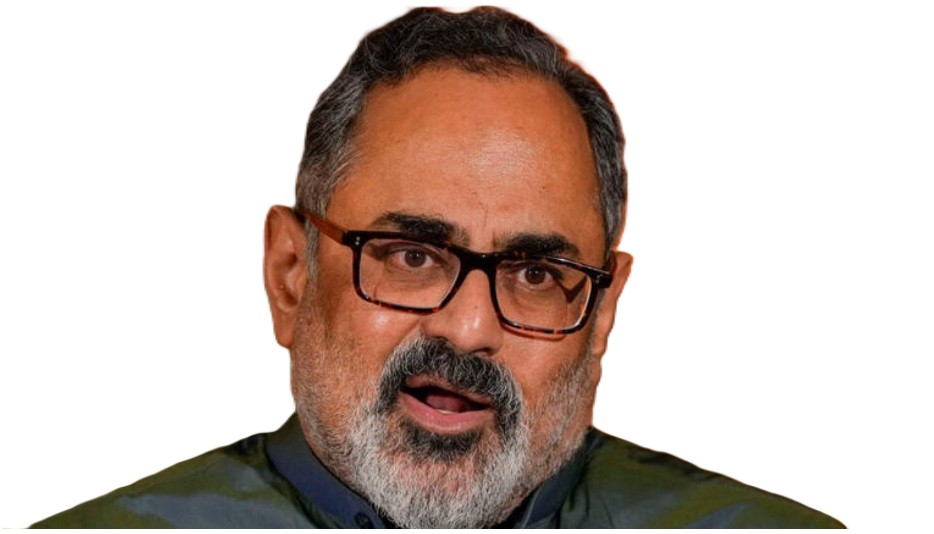
These dynamics compound existing challenges under the state BJP leadership, including Rajeev Chandrasekhar. His background as a businessman and former national-level politician from Karnataka brings expertise in areas like technology and skill development, but it has also contributed to perceptions of cultural disconnect in Kerala. Statements on sensitive issues—such as minority representation or responses to local and international events—have at times been seen as lacking nuance or sensitivity to the state’s diverse fabric. Efforts to engage locally, including in Malayalam, have occasionally been met with mixed reception, reinforcing an image of detachment from grassroots realities.
The party’s public messaging has largely focused on critiquing the LDF and UDF, while a clear, detailed vision for Kerala’s development—addressing local priorities like employment, education, healthcare, infrastructure, and economic equity—remains underdeveloped. Instead, emphasis on national themes or power expansion has dominated, leaving many voters wanting more substance tailored to Kerala’s unique context.
Perceived support for certain controversial films, including the sequel to “The Kerala Story,” has further distanced sections of the impartial population concerned about divisiveness in a state that prides itself on pluralism and social cohesion.
These factors—communal or insensitive remarks, reliance on opportunistic defections, alliances seen as self-serving, and a lack of positive, inclusive agenda—can alienate key voter segments: minorities, youth, middle-class professionals, and swing voters who might otherwise consider alternatives to the bipolar LDF-UDF dominance.
To build a viable third force, the BJP in Kerala needs leadership deeply rooted in the state, with strong organizational experience, cultural fluency, and a track record of fostering broad alliances without compromising core principles. A renewed focus on constructive policies—emphasizing development, welfare, and respect for Kerala’s secular and democratic ethos—could help broaden appeal and mitigate perceptions of opportunism.
Ultimately, prioritizing genuine ideological engagement, local relevance, and a transparent vision over quick-fix defections or polarizing rhetoric will be key. Only through consistent, principled outreach can the BJP hope to overcome self-imposed hurdles and tap into any underlying desire for political change in Kerala.
