

El Niño 2026 Unleashes Monsoon Mayhem: Severe Rainfall Deficit Threatens India’s Farmers, Agri Economy, and Food Security

PNI News Exclusive
Thiruvananthapuram: As the El Niño phenomenon intensifies across the equatorial Pacific, India’s southwest monsoon — the lifeline for millions of small and marginal farmers — is facing its sternest test in recent years. The India Meteorological Department (IMD) has forecast below-normal rainfall for the 2026 season at around 92% of the Long Period Average (LPA), with over 50% of the country’s 741 districts already recording deficient rains. This unfolding crisis signals widespread agricultural distress, delayed kharif sowing, spiking input costs and food prices, livestock hardships, and significant risks to rural livelihoods and food security.
Understanding El Niño’s Disruptive Grip on Farming
El Niño, marked by abnormal warming of sea surface temperatures in the Pacific Ocean, weakens the monsoon circulation over the Indian subcontinent. The result is delayed and deficient rainfall, particularly devastating rainfed agriculture in central, western, and peninsular regions. Although a positive Indian Ocean Dipole (IOD) may provide limited relief in the later phase, the probability of deficient rainfall (<90% of LPA) stands at a concerning 35% — more than double the climatological normal.
Mrutyunjaya Mohapatra, Director General of Meteorology, IMD, had earlier cautioned: “The development of El Niño conditions during the monsoon season is a key driver behind the below-normal forecast. While positive IOD and other factors may offer some offset, the overall rainfall scenario demands heightened preparedness.”
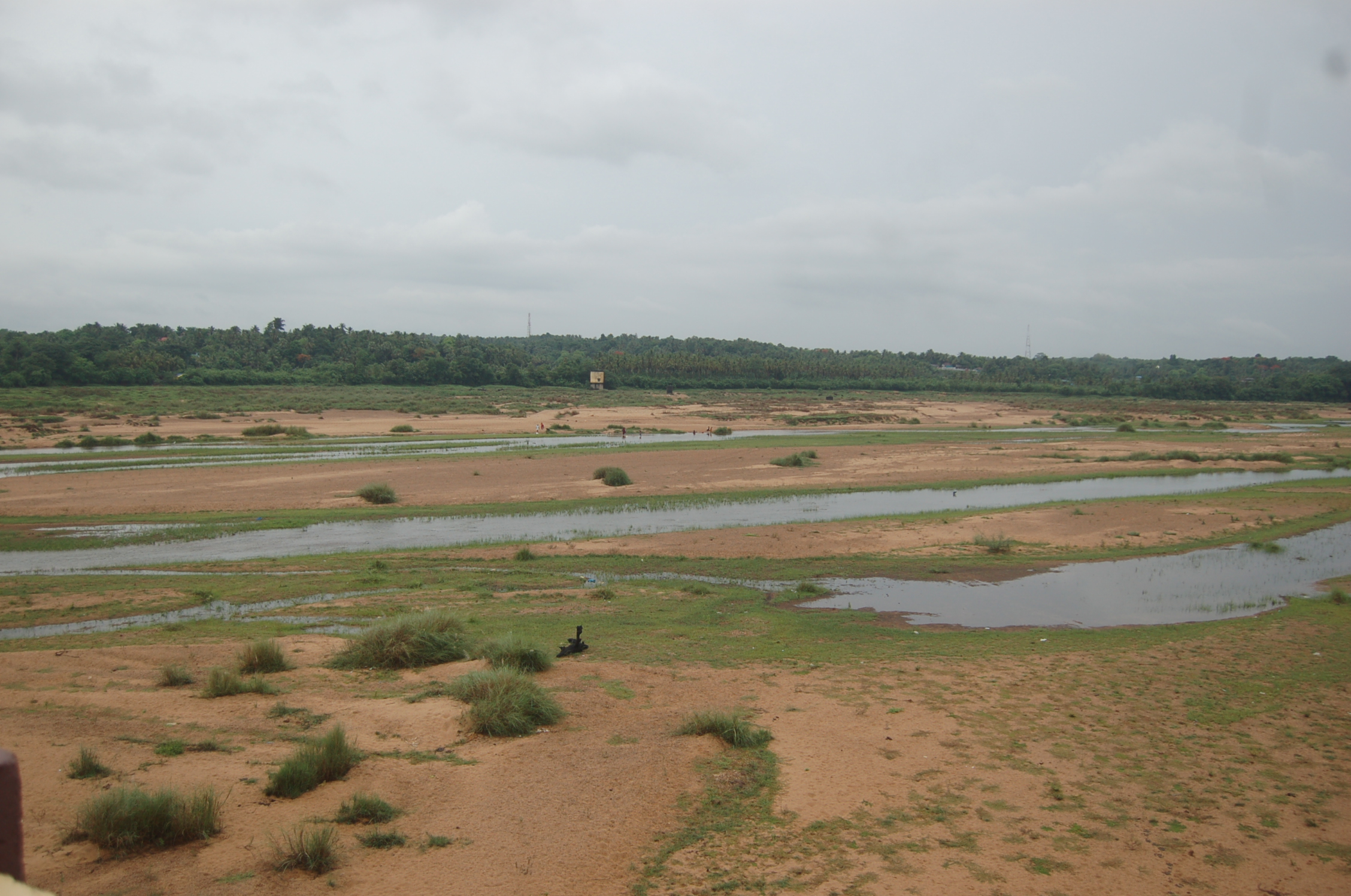
As of mid-July 2026, subdued rainfall activity over northwest plains, west-central India, and south peninsular regions has led to delayed kharif sowing across vast stretches of farmland. Farmers are grappling with parched fields, forcing many to postpone or abandon planting of staple crops.
State-Wise Impact: Central and Western Rainfed Regions Bear the Brunt
The deficit hits hardest in rainfed belts where millions of smallholder farmers depend almost entirely on monsoon rains:
- Worst-Affected States: Rajasthan, Gujarat, Maharashtra (particularly Marathwada), Madhya Pradesh, and parts of Uttar Pradesh and Karnataka face acute water shortages. Farmers here report delayed or failed sowing of rice, maize, pulses, oilseeds, and cotton. Limited irrigation infrastructure exacerbates the crisis, leading to potential fodder shortages for livestock and threats of crop failure.
- Peninsular Vulnerability: Telangana, Andhra Pradesh, and interior Karnataka are seeing significant stress on rainfed crops. Groundnut, coarse cereals, and pulses — key income sources for small farmers — are likely to witness sharp output declines, compounding debt burdens.
- Relatively Better Regions: Northeast India, parts of Bihar, Punjab, and Haryana may fare better due to irrigation support, but even here irregularities affect marginal farmers. Eastern Uttar Pradesh and Chhattisgarh remain highly vulnerable.
Over 111 districts with irrigation coverage below 25% have been flagged for urgent contingency measures, directly impacting the survival strategies of small and marginal farmers who constitute the backbone of Indian agriculture.
Severe Agricultural Losses: Farmers on the Frontlines
Kharif crops, which account for nearly half of India’s annual foodgrain production, are extremely vulnerable. Experts anticipate yield drops of 10-20% or higher in severely affected areas, with sowing lagging by nearly 20% in many states. This directly translates into:
- Reduced incomes and rising indebtedness: With 60% of farmers still heavily rain-dependent, a deficit monsoon can slash household earnings, push smallholders into fresh debt for alternative inputs or borewells, and trigger distress migration to urban areas.
- Livestock and dairy crisis: Fodder shortages are already emerging, hitting dairy farming — a vital secondary income for millions of rural women and landless families. Milk production could decline, affecting nutrition and cash flow in villages.
- Food security risks: Lower output of rice, pulses, and oilseeds threatens household food availability and market prices. Small farmers, who often consume a portion of their produce, face double jeopardy: lower yields and higher prices for essentials.
A Senior Agricultural Economist noted: “A monsoon deficit of this magnitude can trigger cascading effects on rural incomes. Farmers in rainfed regions are looking at potential income losses of 20-40% in extreme cases, increased indebtedness, and heightened vulnerability to climate shocks.”
For many tenant farmers and women in agriculture, the situation is even more precarious, with limited access to credit, insurance claims delays, and inadequate government support reaching the grassroots.
Macroeconomic Fallout: Broader Ripples from Farm Distress
Agriculture and allied sectors contribute 15-18% directly to GDP but have a much larger multiplier effect through rural consumption, employment, and agro-industries. A weak monsoon typically trims overall GDP growth by 0.5-1.5 percentage points. For 2026-27, analysts warn of a 2-4% contraction in agricultural GDP, food inflation potentially rising to 4-8%, greater import dependence for pulses and edible oils, and increased fiscal pressure for farmer relief packages and subsidies.
Power generation (hydro) and industrial water supply disruptions could further squeeze rural employment opportunities.
According to an economist: “The ripple effects of El Niño-induced monsoon failure extend far beyond fields. Rural consumption slowdown will impact manufacturing and services, with overall GDP growth facing a downward revision. Food inflation remains the biggest near-term concern, hitting the poorest farmers and consumers hardest.”
Government Preparedness and the Road Ahead for Farmers
The Union Ministry of Agriculture has activated contingency plans, including promotion of drought-resistant seed varieties, expanded micro-irrigation under schemes like PM-KUSUM, timely crop insurance payouts, and enhanced MGNREGA works for water conservation. States are advised to prioritize fodder banks, custom hiring centers for machinery, and alternative cropping strategies.
However, long-term resilience requires accelerated adoption of climate-smart farming, widespread soil moisture conservation, robust and prompt crop insurance (PMFBY), and improved water management through watershed development. Farmers in vulnerable regions urgently need access to affordable credit, timely advisories, and market support to minimize losses.
While positive IOD and other factors may partially cushion the impact, the situation demands vigilant monitoring and targeted, ground-level support — especially for small and marginal farmers in Rajasthan, Maharashtra, Gujarat, Madhya Pradesh, and peninsular states.
The El Niño 2026 challenge is a stark reminder of climate vulnerabilities in India’s agrarian economy. Timely, farmer-centric interventions will be critical to safeguarding livelihoods, rural stability, and national food security.
PNI News will continue to track monsoon progress, ground-level farmer impacts, and policy responses
