

Eminent infrastructure expert K. K. Kapila raises concern over anomalies in India’s taxation structure urges government to prioritise research and innovation

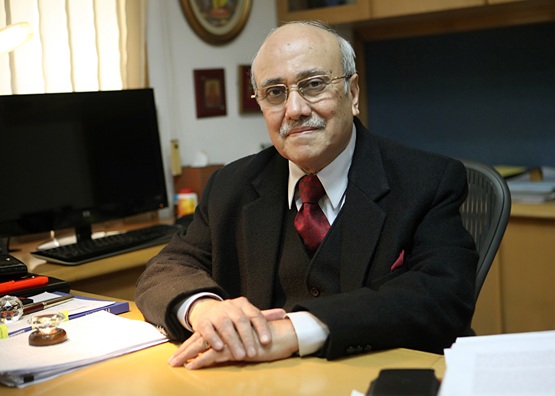
New Delhi, June 15 , 2026 Mr K. K. Kapila, eminent engineering consultant and President Emeritus of the International Road Federation (IRF) has written to the Hon’ble Prime Minister of India, Shri Narendra Modi, highlighting what he describes as a serious anomaly in the country’s taxation framework and calling for urgent corrective measures to support scientific research, technological innovation, and nation-building institutions.
In his communication to the Prime Minister, Mr. Kapila expressed concern over the disparity between the tax treatment accorded to highly profitable sporting and entertainment entities and that imposed on research institutions, educational organizations, and scientific establishments.
Drawing attention to publicly available financial figures, Mr. Kapila noted that the Indian Premier League (IPL) generated revenues of approximately ₹11,770 crore in 2023, while the Board of Control for Cricket in India (BCCI) reported a surplus of ₹5,120 crore. He observed that substantial profits generated by sports franchises and entertainment sectors could potentially contribute significant tax revenues that may be utilized for strengthening India’s research and innovation ecosystem.
“While institutions engaged in scientific defense and medical research and nation building are required to pay GST on scientific equipment and instruments, highly profitable sectors including sports leagues, parts of the entertainment industry, and certain religious institutions continue to enjoy substantial tax concessions.” Said Mr K K Kapila, in his letter to the Prime Minister .
“We are unfortunately taxing microscopes, CT scans life saving helmets and stethoscopes but not cricket, but there is an urgent need to align taxation priorities with India’s long-term developmental and technological aspirations.” Said Mr Kapila.
He stated that if India genuinely seeks to emerge as a global knowledge and technological powerhouse by 2047, the country’s fiscal policies must actively support higher education, scientific research, innovation, and technological advancement.
Calling for a comprehensive review of taxation policies, he appealed to the Government to ensure that sectors contributing directly to national development, scientific progress, and public welfare receive greater fiscal support and encouragement.
Mr. Kapila concluded by urging policymakers to initiate timely reforms that would strengthen India’s research capabilities, promote innovation, and reinforce the nation’s long-term development goals.
