

From MAGA Triumph to Global Isolation: Trump’s Struggle for a Face-Saving Exit in Iran War

By Suresh Unnithan
In the third week of the U.S.-Israeli military campaign against Iran, President Donald Trump finds himself isolated on the world stage. On Sunday, he publicly appealed to roughly seven nations—including key allies like the United Kingdom, Japan, South Korea, France, and even China—to dispatch warships to secure the Strait of Hormuz, the chokepoint through which one-fifth of global oil flows. Tehran’s effective closure of the waterway in retaliation for the February 28 airstrikes has sent Brent crude above $100 per barrel and U.S. gasoline prices surging. Yet no commitments have materialized. Australia, Germany, and Japan have explicitly declined; NATO partners remain cool. Oil markets remain volatile, and Trump’s calls for a multinational coalition have yielded silence. This is not the triumphant “Art of the Deal” moment the president once promised. It marks a stark pivot from the confident nationalism that propelled his political resurrection to a scramble for international buy-in—and, potentially, a dignified off-ramp from a conflict that has exposed the limits of unilateral power.
Trump’s rise is one of the most improbable stories in modern American politics. In 2016, he seized the Republican nomination as an outsider, channelling working-class resentment against globalization, endless wars, and coastal elites. The “Make America Great Again” slogan became a cultural rallying cry, delivering Rust Belt victories and defying pollsters. His first term delivered tax cuts, deregulation, and a confrontational “America First” foreign policy that pressured NATO allies on spending while brokering Abraham Accords in the Middle East. Defeat in 2020 only burnished his martyr status among supporters. By 2024, amid inflation concerns and border anxieties, Trump engineered a comeback, reclaiming the White House with a mandate to restore American strength.
Early in his second term, that mandate appeared unstoppable. The January 2026 operation in Venezuela—culminating in the abduction of its president Nicolás Maduro—signalled an aggressive revival of hemispheric assertiveness. Trump framed it as a new “Donroe Doctrine,” updating the 19th-century Monroe Doctrine to counter narco-states and foreign influence (read: China and Russia) in Latin America. Buoyed by the success, he floated acquiring Greenland for strategic Arctic dominance and hinted at similar pressure on Cuba and other regional actors. Domestically, the moves energized his base; internationally, they raised eyebrows but stayed contained.
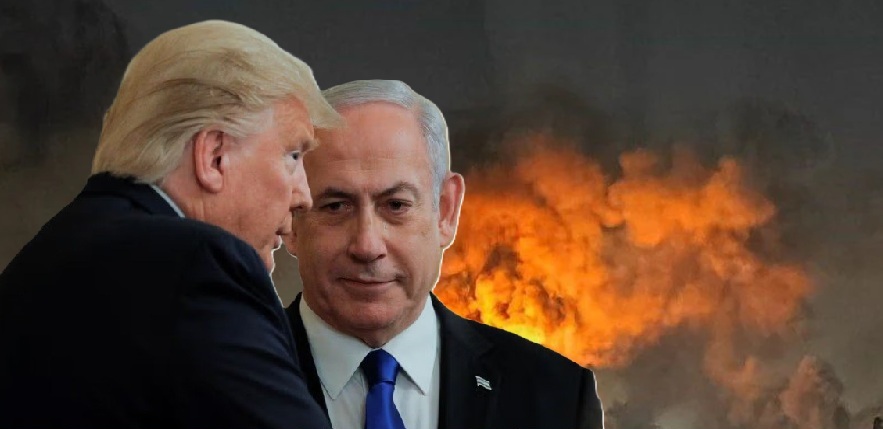
The Iran campaign was meant to be the capstone. After diplomacy failed to curb Tehran’s nuclear program, the U.S. and Israel launched Operation Epic Fury on February 28 this year, targeting missile infrastructure, nuclear sites, and senior leadership. Trump justified the strikes as eliminating an “imminent threat” to global security, consistent with his long-standing vow that Iran would never obtain a nuclear weapon. Initial results appeared decisive: key facilities degraded, Iran’s supreme leader reportedly killed in the opening salvo. Yet the regime survived, retaliated by mining or blockading the Strait of Hormuz, and the conflict settled into a grinding stalemate. Oil prices spiked 40 percent in weeks. Allies, already wary after years of Trump’s transactional diplomacy, declined to share the burden.
Why the global rejection? The answer lies in both style and substance. Trump’s approach—public demands, threats of consequences for non-participation, and framing the strait as “their own territory” that others must protect—clashes with multilateral norms. European capitals remember his first-term critiques of NATO “freeloaders” and fear escalation into a wider regional war that could destabilize energy markets and refugee flows. Asian partners like Japan and South Korea, heavily dependent on Gulf oil, prioritize de-escalation over naval confrontation. Even traditional U.S. allies see little strategic upside in committing forces to what they view as a U.S.-Israeli initiative rather than a collective security imperative. China, positioned to benefit from higher oil prices and weakened U.S. prestige, has stayed aloof. The result: Trump’s coalition-building effort has underscored America’s relative isolation rather than its dominance.
Domestically, cracks are visible. While the MAGA core remains loyal—viewing the Iran strikes as necessary toughness—Republican lawmakers and business leaders fret over the economic fallout. Surging fuel costs threaten inflation and consumer confidence heading into midterm cycles. Influential voices within the party whisper that the Venezuela precedent, once hailed as decisive, has emboldened an overreach that now complicates broader foreign policy. Trump’s personal brand, built on winning deals, now faces the optics of unmet demands and soaring prices at the pump. Isolation is not merely international; it risks eroding the coalition that returned him to power.
Can Trump survive this crisis? Constitutionally and politically, may be yes. The U.S. military retains overwhelming capability to sustain operations unilaterally if needed. Public fatigue with Middle East entanglements may actually favour a limited victory narrative: nuclear sites neutralized, regime weakened, mission “accomplished” short of full occupation. Trump has already hinted at flexibility—delaying a planned China trip to assess Beijing’s stance and floating possible negotiations. A face-saving exit could involve declaring Iran’s nuclear ambitions crippled, quietly easing pressure on Hormuz patrols, and pivoting to sanctions or diplomacy while claiming credit for averting a greater threat.
Yet survival is not the same as vindication. The episode reveals structural tensions in Trump’s worldview. The same disruptive nationalism that fuelled MAGA’s ascent—prioritizing bilateral leverage over alliances—has, in a second term, produced diminishing returns abroad. Expansionist rhetoric post-Venezuela alienated partners who once tolerated America First when it stayed rhetorical. The Iran war, while rooted in legitimate proliferation fears, has become a test of whether unilateral assertiveness can deliver stable outcomes in an interconnected world. Allies’ refusal to join the naval effort is less about rejecting the threat than rejecting the messenger’s method.
History suggests Trump is resilient. He has reframed setbacks before. But the current trajectory—from triumphant annexing talk to pleading for warships—marks a humbling inflection. If he secures a negotiated de-escalation without broader economic damage, he may salvage his legacy as the president who confronted Iran decisively. If oil shocks deepen and isolation persists, the “fall” narrative will harden: a leader whose disruptive genius reshaped domestic politics but faltered when the world refused to follow his deal-making script. For now, the Strait of Hormuz remains the narrowest test of whether Trump’s second act ends in mastery or managed retreat.
