

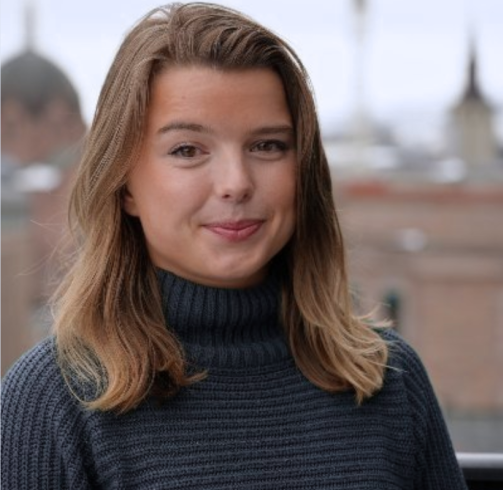
In the grand theatre of global journalism, where Western scribes often cast themselves as heroes confronting Eastern power, Norwegian journalist Helle Lyng Svendsen has secured a starring role. Armed with a microphone and the unshakeable confidence of representing the world’s “freest press,” Lyng first made headlines in Oslo in May.
As Prime Minister Narendra Modi concluded a joint appearance with Norway’s PM and began walking away, Lyng called out: “Why don’t you take some questions from the freest press in the world?” Modi kept walking. What followed was textbook modern media drama — a viral clip, furious Indian backlash, accusations of activism over journalism, and a string of interviews where Lyng defended her actions as simple duty.
Now, the sequel has arrived. During Modi’s recent visits to Australia and New Zealand, familiar questions resurfaced. An Australian broadcaster remarked that this was “as close as you would get” to Modi, who “famously avoids unscripted news conferences.” In Auckland, a journalist asked an Indian diplomat why no press conference was held. Lyng, monitoring events from Oslo, promptly declared success on social media: the “impact is spreading.”
“It is nice to see that other countries are continuing the discussion about declining press freedom in India,” she posted, suggesting her Oslo moment had sparked a global chain reaction. Small nations, she argued, have a special responsibility to raise such issues when leaders visit.
The irony is rich. A journalist from a small, homogenous Nordic country lectures the world’s largest, chaotic democracy on openness. India, for all its flaws and noisy press, functions as a billion-plus person laboratory of messy democracy. Modi’s preference for rallies, direct public outreach, and selected interviews over formal Western-style pressers has long been debated domestically. Yet Lyng’s intervention is presented as groundbreaking revelation rather than familiar political theatre.
Indian officials have consistently pushed back, highlighting the country’s Constitution, independent institutions, and vibrant — if polarised — media landscape. Lyng’s follow-up questions on human rights drew standard diplomatic rebuttals. The episode triggered predictable online storms, with Lyng facing trolling and doxxing while gaining admirers among critics of the Indian government.
Ultimately, this saga reveals more about the mechanics of modern outrage than press freedom itself. One shouted question becomes a personal brand. Months later, similar queries elsewhere are hailed as evidence of seismic “impact.” In the age of viral clips and self-congratulatory threads, Helle Lyng has mastered turning diplomatic walkouts into international encores.
Whether this constitutes fearless journalism or selective performance remains debatable. What is clear is that India continues to provide excellent material for headline-hungry correspondents seeking easy villains. The world’s freest press marches on — one yell at a time.
