

Maha CM Devendra Fadnavis Virtually Inaugurates Dindoshi–Film City Flyover, Boosting Mumbai’s East–West Connectivity

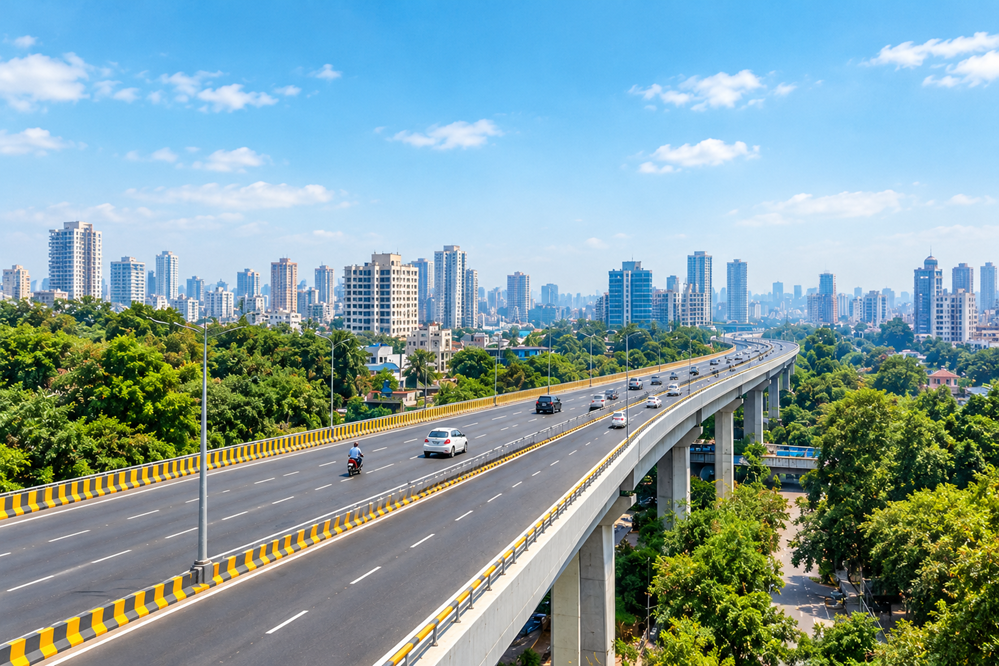
India : The inauguration of the 1.26-km, six-lane Dindoshi–Film City flyover by Maharashtra Chief Minister Devendra Fadnavis through a virtual ceremony on October 22, 2026, marks a key milestone in Phase 1 of the Goregaon–Mulund Link Road (GMLR) project. Located near Hotel Ratnagiri Junction in Goregaon East, the flyover connects General Arun Kumar Vaidya Marg with Dadasaheb Phalke Chitranagari Road near Santosh Nagar. The flyover is expected to strengthen east–west connectivity by improving road access between Goregaon and the wider eastern suburbs, marking an important step towards a more integrated road network across Mumbai
Speaking at the inauguration, Fadnavis said the newly completed infrastructure projects in Mumbai would strengthen north–south and east–west connectivity, supporting the goal of reducing travel time across the city to 50–60 minutes. He added that improved traffic flow would facilitate smoother movement and enhance ease of living for residents.
The flyover is an important step towards addressing Mumbai’s long-standing east–west connectivity challenges. As the wider GMLR project progresses, its planned tunnels and road links are expected to establish a more direct connection between Goregaon and Mulund, improving access between residential neighbourhoods and commercial centres across the city.
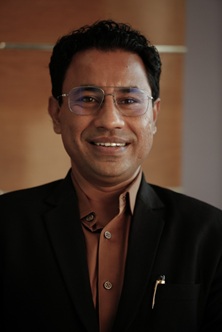
Better connectivity could also influence residential preferences and employment choices by making it easier for people to travel between Mumbai’s western and eastern suburban corridors. Arshad Lashkaria, CEO & Managing Director, Lashkaria Group, believes these infrastructure upgrades will strengthen the appeal of established residential neighborhoods while broadening access to employment opportunities. “Connectivity plays an important role in home buying decisions in Mumbai. As infrastructure projects such as the GMLR improve east–west travel, homebuyers will have greater flexibility to choose locations that combine accessibility with established social infrastructure and proximity to workplaces. Andheri, Jogeshwari and Goregaon already benefit from their proximity to commercial hubs, while improved links to the eastern corridor, including Mulund, Bhandup and Vikhroli, can make it easier for people to access employment opportunities across both sides of the city. This greater flexibility in commuting can further strengthen the appeal of well-connected residential neighbourhoods and support more informed housing choices,” says Mr. Lashkaria.
The eastern suburban belt has its own established residential and commercial ecosystem, with business districts, industrial areas and emerging office destinations contributing to employment opportunities. Better east–west road links could help residents access a wider range of workplaces without being as constrained by the location of their homes, while also allowing businesses to draw talent from a broader suburban catchment.
The progress of the GMLR project underscores how improved east–west connectivity can reshape Mumbai’s real estate landscape by broadening access to employment hubs and strengthening the appeal of residential micro-markets across both suburban corridors. As the project advances, better connectivity is expected to influence commuting patterns, expand homebuyers’ location choices and support the evolution of a more integrated urban ecosystem, with affordability, housing supply and local infrastructure continuing to shape demand.
****
