


Mumbai’s chronic parking challenges may soon see a major technological intervention as the Brihanmumbai Municipal Corporation (BMC) moves ahead with its long-pending smart parking project that aims to allow motorists to digitally reserve parking spaces before even beginning their journey.
According to media reports, the BMC is in the final stages of appointing a consultant for the initiative, which proposes the creation of a unified digital parking ecosystem across the city. Through a dedicated mobile app and web portal, users will be able to check real-time parking availability, reserve slots in advance, and make digital payments seamlessly.
The move comes at a crucial time for Mumbai, which continues to grapple with rapidly rising vehicle density and severe parking shortages. Government data reportedly indicates that Mumbai currently has the highest vehicle density among metro cities, with nearly 2,300 vehicles per kilometre, compared to around 1,840 in 2019 and approximately 1,150 in 2014. Additionally, more than 3 lakh vehicles were registered in the city in 2025 alone.
Currently, the BMC operates 26 off-street parking facilities across Mumbai. Under the proposed smart parking model, the civic body plans to integrate municipal parking spaces with privately operated parking facilities in malls, business centres, and commercial developments. Housing societies may also be encouraged to make unused parking slots available for public use during specific daytime hours.
Urban mobility and parking solution experts have welcomed the move, stating that digitisation and intelligent parking management are the need of the hour for a densely populated city like Mumbai.
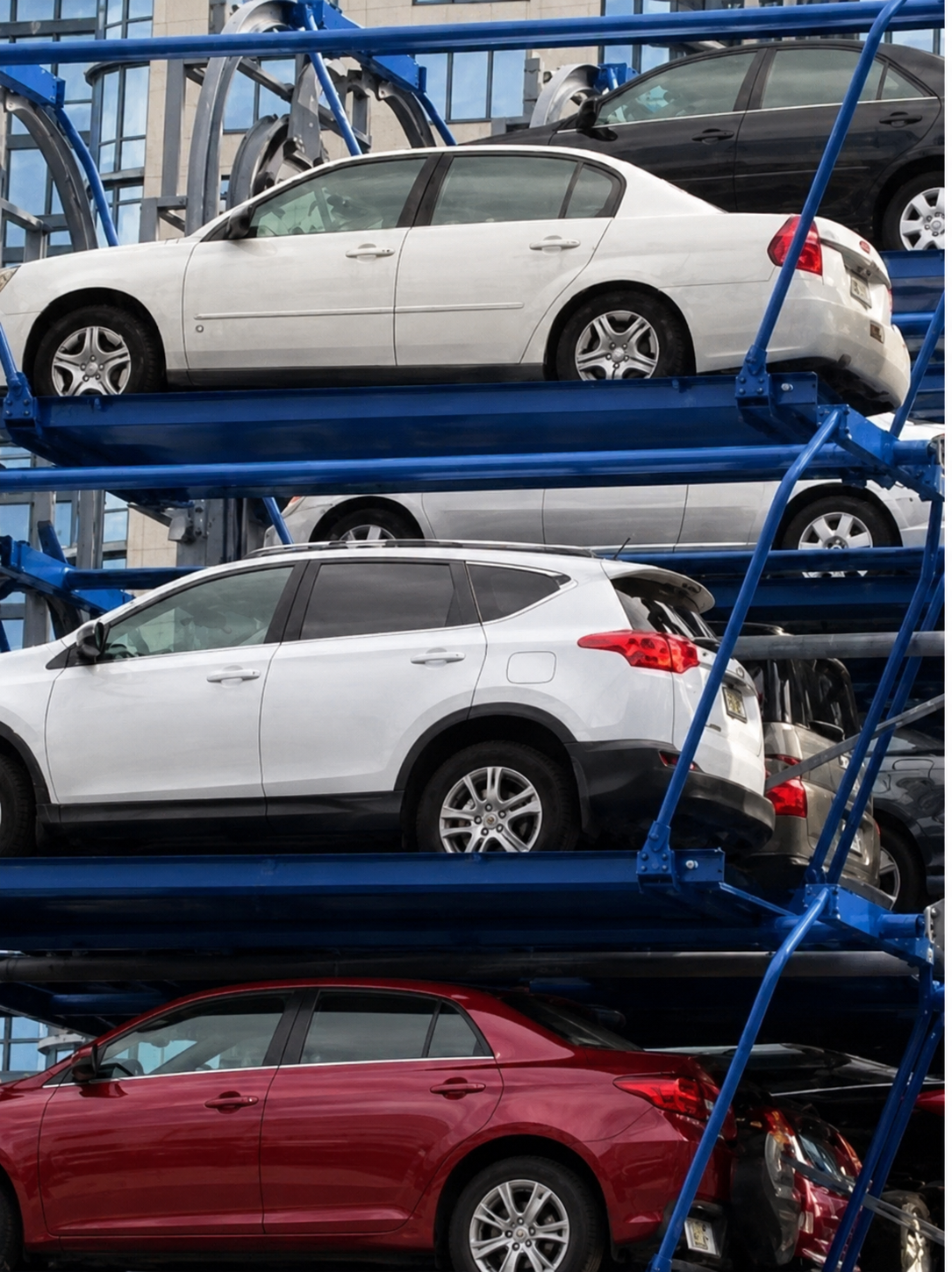
Mr. Ashish Majithia, Founder & CEO of Nextkraft Parking Technologies said, “The BMC’s initiative is a progressive and much-needed step towards streamlining urban mobility in Mumbai. A smart parking ecosystem that allows motorists to check real-time availability and reserve slots in advance can significantly reduce unnecessary vehicle circulation, traffic congestion, fuel wastage, and commuter stress. However, while technology-driven solutions are important, Mumbai’s parking challenges are fundamentally linked to limited land availability and high vehicle density. A congested city like Mumbai will still require robust multi-level and mechanised parking infrastructure to create meaningful long-term impact. Smart systems and physical infrastructure development must go hand in hand.”
Mr. Naveen Rajagopalan, Director, City Lift India Limited, added, “Digitally integrated parking management is the future for metro cities like Mumbai where every square foot of space is critical. The ability to pre-book parking slots can improve commuter convenience and optimise utilisation of existing parking inventory across commercial and public spaces. At the same time, Mumbai’s growing vehicle population demands a stronger focus on creating advanced parking infrastructure, including automated and vertical parking solutions. Technology can improve efficiency, but the city will continue to need substantial infrastructure upgrades to effectively address the larger parking crisis.”
Civic officials believe the proposed system could help reduce unnecessary vehicle movement caused by motorists searching for parking spaces in crowded areas, thereby easing congestion levels in busy commercial zones.
The smart parking platform is expected to be developed over the next year, with pilot implementation planned across five civic wards spanning south Mumbai, eastern suburbs, and western suburbs.
Meanwhile, the BMC is also reportedly considering a revision in parking fees across municipal parking facilities. A proposal seeking a 40% increase in parking charges has already received approval from the Additional Municipal Commissioner (Projects) and is currently awaiting further clearance before moving ahead in the approval process.
Industry observers believe that while digital parking management can significantly improve convenience and efficiency, the long-term solution for Mumbai lies in a combination of smart mobility planning, enhanced public transport integration, and large-scale development of structured parking infrastructure.
