


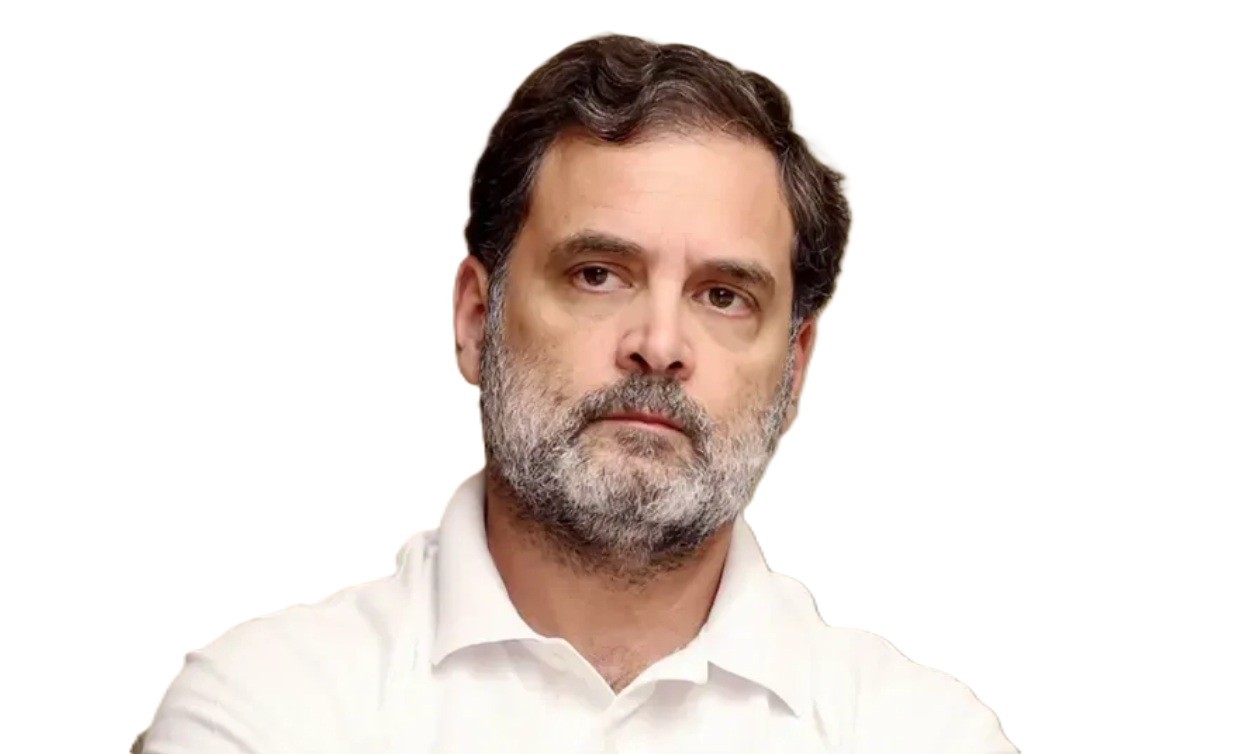
New Delhi: The Supreme Court on Thursday strongly objected to the conduct of Leader of Opposition in the Lok Sabha Rahul Gandhi during the INDIA bloc’s October 12 protest march to its premises, with Chief Justice of India Surya Kant asserting that “nobody can browbeat the judiciary.”
A bench of CJI Surya Kant and Justice Joymalya Bagchi issued notices to the Congress, Gandhi and other INDIA bloc leaders on a petition filed by four lawyers. The plea seeks a regulatory framework for protests and processions near judicial complexes, an absolute prohibition on political demonstrations inside court premises, preservation of CCTV footage from the October 12 events, and consideration of criminal contempt proceedings against Gandhi, Congress president Mallikarjun Kharge, Samajwadi Party chief Akhilesh Yadav, Trinamool Congress MP Mahua Moitra and others.
Separately, the court issued notices to the Election Commission of India and Chief Election Commissioner Gyanesh Kumar on petitions filed by the INDIA bloc and AIMIM’s Asaduddin Owaisi alleging irregularities in the Special Intensive Revision (SIR) of electoral rolls.
Addressing senior advocate Kapil Sibal, who appeared for Gandhi, the CJI said: “Issuing notice does not mean that we are condemning anything. But one objection, before that. We would like to ask one of the petitioners about his conduct on the next date of hearing.” He added that the court was “not sitting in an ivory tower” and was fully aware of developments outside its premises, describing the attempts as “feeble.”
The observations came after Solicitor General Tushar Mehta and senior advocate Gaurav Bhatia flagged the October 12 march, with Bhatia calling it “unacceptable that this court is seized with a political procession.” Bhatia also referred to concerns raised by nearly 200 lawyers that the march amounted to an attempt to pressure the judiciary. The CJI responded: “Nobody can browbeat the judiciary.” The bench directed all agencies to preserve CCTV and other digital footage of the Supreme Court premises.
On October 12, Gandhi and other INDIA bloc leaders, including Priyanka Gandhi Vadra, Akhilesh Yadav and Tejashwi Yadav, led a large “March for Democracy” from central Delhi towards the Supreme Court amid heavy police deployment and barricades. Thousands of supporters joined the procession. The leaders subsequently filed a joint petition challenging alleged large-scale voter deletions under the SIR exercise, seeking a halt to the revision, greater transparency in Election Commission decisions, and the resignation of CEC Gyanesh Kumar. The march followed the CJI’s earlier refusal to meet an Opposition delegation, citing that related matters were already sub-judice.
Delhi Police later registered FIRs over the unauthorised march and alleged breach of barricades. The court has sought responses from the Centre, the Congress and the named leaders, while also examining related pleas challenging the denotification of Jantar Mantar as a protest site. The next hearing is expected to address both the conduct of the political leaders and the substantive challenges to the SIR process.
