

Navigating the Labyrinth: Bihar’s 2025 Assembly Elections Amid Alliances, Betrayals, and Power Plays

By Suresh Unnithan
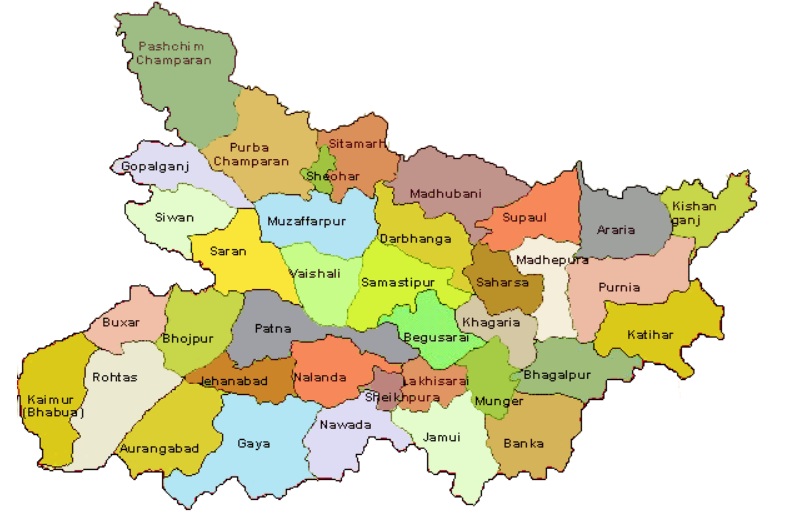
Bihar’s political arena, long a cauldron of caste arithmetic, opportunistic alliances, and high-stakes drama, is boiling over as the state heads into its two-phase assembly elections on November 6 and 11, 2025. With 243 seats up for grabs, the contest pits the ruling National Democratic Alliance (NDA) against the opposition INDIA bloc (also known as Mahagathbandhan), while wildcard entrants like Prashant Kishor’s Jan Suraaj Party threaten to upend the status quo. Today’s deadline for nominations in the first phase has only amplified the chaos, with last-minute seat-sharing squabbles, whispered conspiracies, and overt tensions exposing the fragility of both coalitions. At stake is not just control of Bihar—a state plagued by unemployment, migration, and underdevelopment—but also national implications for Prime Minister Narendra Modi’s Bharatiya Janata Party (BJP), which seeks to rebound from recent electoral setbacks. A BJP-led victory could “salvage” the Modi government’s narrative of invincibility, while a loss might embolden the opposition ahead of future national battles.
Prashant Kishor’s Mysterious Exit: A BJP Ploy or Strategic Retreat?
One of the most intriguing plot twists has been poll strategist-turned-politician Prashant Kishor’s decision to bow out of the contest personally, despite his Jan Suraaj Party fielding candidates across all seats. Kishor, who has masterminded campaigns for Modi, Nitish Kumar, and others, launched his party with fanfare, positioning it as a reformist alternative to Bihar’s entrenched dynasties and caste-based politics. His abrupt withdrawal—announced just days ago—has fueled wild speculations that he was never serious about disrupting the establishment but rather planted by the BJP to splinter opposition votes.
Critics point to Kishor’s past ties with the BJP and his criticism of Nitish Kumar as evidence of a hidden agenda to weaken the Janata Dal (United) (JD(U)) from within the NDA fold. Ironically, his exit has united Bihar’s fractious parties in mockery: the BJP, JD(U), and Rashtriya Janata Dal (RJD) have all lampooned him as a “general who fled the battlefield.” Yet, Kishor remains defiant, predicting his party will either flop spectacularly (under 10 seats) or triumph overwhelmingly (over 150), and boldly declaring that Nitish Kumar won’t return as Chief Minister. This binary gamble underscores a critical flaw in Bihar’s politics: voters, tired of perennial issues like joblessness, may gravitate toward his data-driven, anti-corruption pitch, but his absence from the fray risks portraying Jan Suraaj as leaderless. If anything, his move has strengthened speculation that he was a BJP “Trojan horse,” subtly easing the saffron party’s path by drawing away disillusioned voters without posing a direct threat.
Seat Allocations and Simmering NDA Tensions: Chirag Paswan’s Rise as a Thorn
The NDA’s seat-sharing deal, finalized last week, has exposed deep fissures within the alliance. The BJP and JD(U) are contesting 101 seats each, but the real eyebrow-raiser is the allocation of 29 seats to Chirag Paswan’s Lok Janshakti Party (Ram Vilas) (LJP(RV))—nearly double what his faction held in 2020, when it contested independently and sabotaged JD(U)’s prospects. This generosity toward Paswan, a Dalit leader with sway over the Paswan community (about 6% of Bihar’s voters), has irked Nitish Kumar’s JD(U), which views it as a deliberate BJP strategy to marginalize the aging Chief Minister.
JD(U) leaders whisper of a “Maharashtra-style” ploy, akin to how the BJP backed Eknath Shinde to split the Shiv Sena and seize power. Smaller allies like Upendra Kushwaha and Jitan Ram Manjhi have openly protested, forcing the BJP into damage control. Nitish, despite public assurances of contentment, released his party’s candidate list including five seats coveted by Paswan, signaling defiance. Critically, this imbalance reveals the BJP’s long game: by empowering Paswan, it aims to consolidate non-Yadav backward castes and Dalits, diluting Nitish’s Extremely Backward Classes (EBC) base and preparing for a post-Nitish era.
Is the BJP Poised to Ditch Nitish for Absolute Power?
Absolutely, the signs point to yes. Union Home Minister Amit Shah’s recent refusal to confirm Nitish as CM post-victory—stating the decision would come after the polls—has poured fuel on the fire. This ambiguity, coupled with the BJP’s “Mission Bihar” campaign blitz featuring Modi, Shah, and 40 star campaigners, suggests the party is positioning itself to dominate. By undercutting “Mandal” identity politics through fragmented caste outfits, the BJP is betting on its welfare schemes, Hindutva appeal, and anti-corruption narrative to override Nitish’s welfarism. If the NDA wins big, expect the BJP to install a pliable figure—perhaps Paswan or a BJP loyalist—as CM, relegating Nitish to irrelevance. This isn’t just opportunism; it’s a calculated bid to end Bihar’s era of regional satraps dominating national alliances.
Could Lalu and Nitish Join Hands Covertly to Thwart the BJP?
The speculation of a Nitish-Lalu rapprochement, while tantalizing, remains more rumor than reality—but not implausible. Both leaders, aging titans of Bihar politics, face existential threats from a BJP ascendancy: Nitish risks losing his EBC stronghold, while Lalu’s RJD could see its Yadav-Muslim base eroded. Whispers of covert coordination stem from shared paranoia over the BJP’s “upper hand,” which could diminish their national relevance. However, overt alliance is unlikely given their bitter history—Nitish ditched the RJD in 2017 and 2022. Instead, tactical non-aggression, like avoiding direct attacks or allowing rebel candidates to split BJP votes, could undermine the saffron surge. Lalu’s ongoing corruption cases add urgency; a BJP win might intensify probes against his family. Critically, this “enemy-of-my-enemy” dynamic highlights Bihar’s fluid loyalties, but without concrete evidence, it risks being dismissed as opposition wishful thinking.
Game Plans: BJP’s Blitz vs. INDIA’s Scramble
The BJP’s strategy is clear: leverage Modi’s charisma, saturate key regions from Champaran to Kosi with rallies, and exploit NDA infighting as a show of strength. By prioritizing Paswan and sidelining Nitish, it aims to fragment opposition castes while promising jobs and development to counter voter anger over unemployment. The INDIA bloc, meanwhile, is playing catch-up. Led by RJD’s Tejashwi Yadav, it finally sealed deals yesterday—Congress on 48 seats, VIP on 15—but delays exposed rifts, with Congress demanding “quality” constituencies and Lalu jumping the gun on tickets. Their plan hinges on uniting Yadav-Muslims, EBCs, and Dalits against “BJP’s betrayal,” emphasizing welfare and anti-incumbency. But infighting could prove fatal, allowing the NDA to consolidate.
National Ramifications: A Must-Win for Modi and the INDIA Bloc
Beyond Bihar’s borders, this election is a litmus test for national stability. For Modi, a victory is imperative to maintain his grip on the BJP and key alliance partners like Andhra Pradesh’s Chandrababu Naidu (TDP), Chirag Paswan, and Nitish Kumar, whose support underpins the central government’s slim majority post-2024 Lok Sabha polls. A win would reinvigorate Modi’s image, enabling bolder economic reforms like tax cuts and consolidating EBC votes in the Hindi heartland, while securing Bihar’s 40 Lok Sabha seats for future battles. However, a defeat could portray Modi as weakened, sparking discord within the BJP—where murmurs of leadership fatigue already exist—and prompting allies to reconsider their loyalty, potentially destabilizing the NDA coalition amid upcoming polls in states like West Bengal and Assam. Critics argue this vulnerability stems from persistent issues like youth unemployment (down to 9.9% but still a flashpoint) and migration, which the opposition exploits with promises of guaranteed jobs.
Similarly, for the INDIA bloc, a triumph is crucial to sustain unity and morale among its disparate partners, including Congress under Rahul Gandhi, who has staked much on campaigns targeting EBC rights and anti-centralization rhetoric. A win would validate the alliance’s viability post-2024 setbacks in Maharashtra and Haryana, preventing fragmentation and boosting confidence to mount a cohesive challenge in the 2029 general elections. It could position Tejashwi Yadav as a rising star, expanding beyond RJD’s core base to capture youth and women voters disillusioned with NDA’s incumbency. Conversely, a loss might exacerbate internal rifts, questioning Rahul’s leadership and the bloc’s ability to counter BJP’s dominance, ultimately hindering its national resurgence. In this high-stakes arena, Bihar’s verdict could redefine alliance loyalties and set the stage for India’s political future, where economic grievances like joblessness trump caste loyalties.
In essence, Bihar’s 2025 assembly elections encapsulate the paradoxes of Indian democracy: a vibrant yet vicious cycle of alliances forged in opportunism and fractured by ego, where the real casualties are the voters mired in socioeconomic despair. While the BJP’s calculated maneuvers—empowering figures like Chirag Paswan to erode Nitish Kumar’s influence and betting on Modi’s star power—exemplify a ruthless pursuit of hegemony, the INDIA bloc’s belated unity and internal bickering highlight the opposition’s chronic disarray, often prioritizing personal legacies over collective vision. Prashant Kishor’s enigmatic retreat, whether a genuine pivot or a cunning diversion, further exposes the hollowness of “reformist” alternatives in a system dominated by entrenched dynasties and caste silos. Critically, this electoral frenzy sidesteps Bihar’s pressing crises—youth joblessness hovering near double digits, crumbling infrastructure, and a brain drain that hollows out communities—reducing governance to a game of thrones rather than a mandate for change. If history is any guide, the victors will likely recycle promises while the state’s underdevelopment festers, underscoring a deeper malaise: until politics prioritizes people over power plays, Bihar’s labyrinth will ensnare its citizens in perpetual disillusionment. As polling day approaches, one thing is certain—the twists may captivate, but true progress demands a radical reckoning beyond the ballot box.
