

New H-1B Visa Norms: A bolt from the blue for Indian Jobseekers, Particularly IT Professionals

By Geetha Unnithan
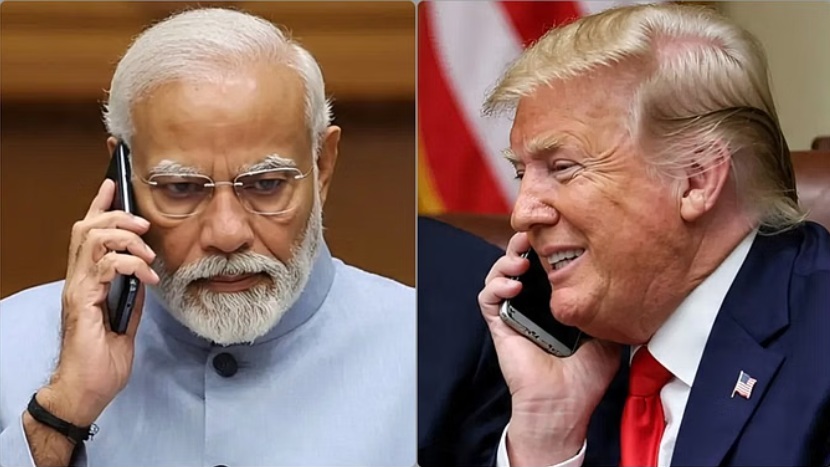
Despite the oft-cited camaraderie between Prime Minister Narendra Modi and US President Donald Trump, with Modi calling Trump a “dear friend” and Trump referring to Modi as his “bosom friend,” the latest US immigration policies under Trump’s executive order have endangered the prospects for Indian H-1B visa seekers. Effective September tomorrow (21, 2025), US employers face a steep $100,000 (Rs 88,00,000) annual fee per H-1B worker for new applications or for bringing workers from abroad, such as initial entries or certain visa renewals involving travel, unless exemptions for non-profit or government-related roles apply. This fee overshadows earlier 2025 reforms, including a beneficiary-centered selection process introduced in January to reduce fraud by prioritizing unique workers over multiple employer entries. Additional proposals, such as raising the minimum wage threshold for H-1B roles from approximately $60,000 to $150,000 and potentially eliminating Optional Practical Training (OPT) extensions for STEM graduates, further tighten pathways for international talent, creating a stark contrast to the warm rhetoric of bilateral friendship.
Indian professionals, who account for 70-75% of H-1B approvals annually—over 300,000 visa holders, predominantly in tech and engineering—face significant challenges due to these reforms. The IT sector, which consumes about 60% of H-1B visas with Indians comprising 80% of recipients in this field, is particularly hard-hit. The $100,000 fee could drastically reduce new H-1B sponsorships, with industry estimates suggesting employers may cut 20-50% of planned international hires to offset costs. Major Indian IT firms like Infosys, TCS, and Wipro, which rely heavily on H-1B visas for on-site placements, may face hiring freezes or delays, potentially affecting thousands of applicants each year. This fee erodes the wage arbitrage that makes H-1B hires attractive, as offshore models typically save 30-40% on labor costs, leading to longer job search times for Indian candidates, possibly by 3-6 months, as companies prioritize U.S. citizens or green card holders. Some employers might even pass on costs through lower salary offers, complicating negotiations for Indian jobseekers.
The new rules also restrict job mobility for existing H-1B holders from India. Travel outside the U.S. could trigger the $100,000 fee upon re-entry, prompting companies like Amazon to issue advisories for H-1B and H-4 holders to avoid international trips. This limitation could prevent family visits or opportunities for skill-building abroad, effectively trapping workers in their current roles and hindering career progression. In the long term, fewer new H-1B visas will slow the pipeline to green cards, worsening backlogs for Indian EB-2 and EB-3 categories, which already exceed 10 years. This may push more Indian professionals toward alternatives like Canada’s Express Entry or Europe’s Blue Card, potentially reversing brain drain and boosting tech hubs like Bengaluru if returnees increase.
For IT professionals specifically, the impact is profound. Indian IT services firms could lose U.S. contracts worth billions, leading to potential 10-15% workforce reductions in their U.S. operations. Big tech companies like Microsoft, Google, and JPMorgan are already issuing internal memos assessing the cost impacts, with some considering a shift to remote offshore models or automation, which could sideline H-1B-dependent hires. If the proposed $150,000 wage floor is enacted, only senior roles like architects or AI specialists would qualify, excluding many junior developers common among Indian applicants. While the beneficiary-centered selection process offers minor relief by curbing lottery abuses, early projections indicate that Indian H-1B approvals could drop by half in FY2026.
The reforms have elicited sharp reactions from senior Indian bureaucrats and political leaders, who view them as a double-edged sword—a setback for individual aspirations but a strategic boon for India’s domestic ecosystem. Former NITI Aayog CEO and G20 Sherpa Amitabh Kant emerged as a prominent voice, framing the changes as “America’s loss, India’s gain.” In a series of statements on social media and interviews, Kant argued that the $100,000 fee “will choke US innovation and turbocharge India’s,” predicting a surge in global talent, labs, patents, and startups flocking to Indian cities like Bengaluru, Hyderabad, Pune, and Gurgaon. He emphasized that restricting H-1B access would not only stifle US competitiveness but also accelerate India’s tech growth by redirecting skilled workers homeward, potentially reversing the brain drain that has long plagued the country. Kant’s optimistic tone resonated widely, with him noting in an X post that the policy “slams the door on U.S. talent pipelines while opening windows for Viksit Bharat.”
Political responses were more polarized along party lines. Congress spokesperson Pawan Khera criticized Prime Minister Narendra Modi, accusing him of diplomatic weakness in failing to mitigate the impact on Indian workers, tweeting that after eight years in power, India remains “still stuck with a weak PM” amid Trump’s aggressive visa crackdown. In contrast, BJP MP Boora Narsaiah Goud downplayed the threat to India, asserting that “Trump’s H-1B visa fees will destroy the American economy more than the Indian economy,” highlighting how US tech giants’ overreliance on foreign talent could backfire, ultimately benefiting India’s burgeoning IT sector. Other leaders, including Commerce Minister Piyush Goyal, echoed calls for bolstering domestic opportunities, with unconfirmed reports suggesting quiet diplomatic overtures to Washington to negotiate exemptions for high-skill roles. External Affairs Minister S. Jaishankar, while yet to issue a formal statement, has historically advocated for balanced immigration dialogues, and sources close to the ministry indicate ongoing assessments of the policy’s ripple effects on India-US ties.
These reactions underscore a broader narrative shift: from lamenting lost opportunities abroad to championing self-reliance at home. To navigate these challenges, Indian job seekers should closely monitor USCIS updates and leverage platforms like LinkedIn or US-based alumni networks to explore potential exemptions or alternative opportunities, while also considering domestic tech opportunities in India or other global markets. As Kant aptly put it, this could be the catalyst for India to not just fill the void left by America, but to redefine global innovation leadership.
