


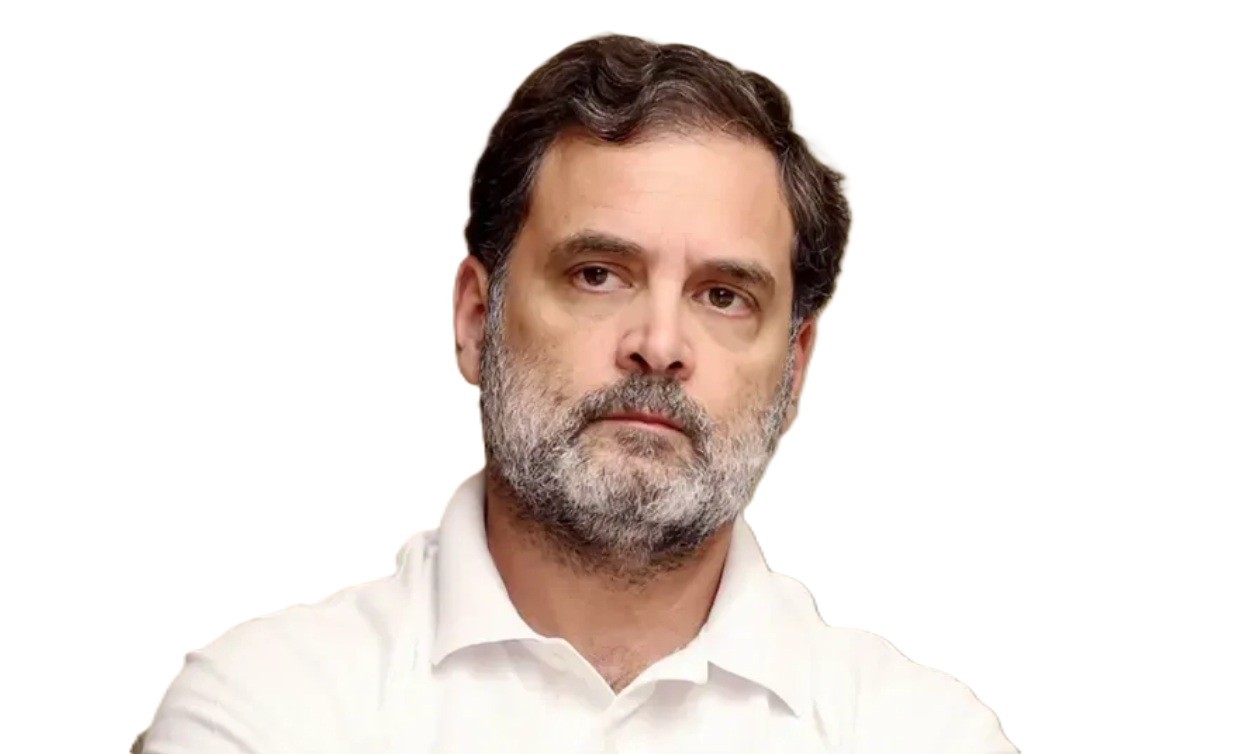
Kota, Rajasthan: In a powerful display of youth discontent, Congress leader and Leader of Opposition in Lok Sabha Rahul Gandhi engaged directly with thousands of students in Kota on June 17, launching the party’s ‘Chhatron Ki Goonj’ (Students’ Echo) campaign. The event at Dussehra Ground drew an overwhelming response, with massive crowds of aspirants preparing for competitive exams like NEET and JEE turning up, turning the coaching hub into a focal point of national debate on systemic failures in education.
Gandhi, addressing the gathering amid banners and chants, highlighted the deep-rooted issues plaguing India’s education system. He pointed to recurring paper leaks, including the recent NEET-UG scandal, exorbitant coaching fees reportedly reaching ₹3.5 lakh crore annually, and a system that pushes students toward a narrow set of careers—doctors, engineers, IAS officers—while ignoring diverse aspirations. “During my Bharat Jodo Yatra, most students I met spoke only of these few paths. The biggest failure is that our education system does not nurture varied dreams,” Gandhi remarked, underscoring the mental stress and slim success rates faced by aspirants, where one IAS seat attracts thousands.
The huge turnout of students—described by many as one of the largest student mobilizations in recent times—signaled a visible surge in Gen Z anger against corruption and mismanagement in the education sector. Organizers reported students arriving in large numbers, with some boarding trains en route to interact with Gandhi, amplifying voices of frustration over unfair exams, lack of affordable education, and limited job opportunities. The event, not framed as overtly political by the Congress but focused on youth futures, clearly resonated, with participants sharing stories of financial burdens on families and the rejection-oriented nature of the system.
This interaction serves as a stark caution to the central government. Persistent paper leaks, despite new laws and claims of doubled medical seats and increased education budgets, have eroded trust. The coaching industry boom in Kota symbolizes both aspiration and despair, with students facing intense pressure and uncertain futures. Critics argue that cosmetic measures fail to address core issues of transparency, equity, and systemic corruption that allow leaks and irregularities to recur.
Prime Minister Narendra Modi and his government must take note of this growing unrest. A decisive step would be for the Education Minister to resign, owning moral responsibility for the failures that have let down millions of young Indians. Such accountability could help assuage Gen Z anger to some degree, restoring faith in the system before it spirals further. Mere defenses citing incremental seat increases or startup growth ring hollow when foundational trust in exams—the gateway to opportunities—is shattered.
Gandhi launched a petition during the event calling for fair examinations, affordable education, and better employment avenues, promising more such conventions across the country. The Congress aims to channel student voices into a broader national agitation, positioning education reform as a key electoral and policy issue.
Political observers see the Kota event as a strategic move by the opposition to tap into youth disillusionment, especially ahead of the NEET re-exam. While the BJP has criticized it as “political tourism,” the scale of participation underscores that student concerns transcend party lines. Parents and aspirants alike are demanding urgent fixes—stricter anti-leak mechanisms, regulation of coaching costs, and diversification of career pathways.
As India grapples with its demographic dividend, the message from Kota is clear: ignoring the aspirations and frustrations of the youth risks alienating an entire generation. The government must move beyond rhetoric to concrete, corruption-free reforms. Rahul Gandhi’s interaction has not only amplified these voices but also put the spotlight firmly on the need for accountability at the highest levels. The coming days will test whether Delhi listens to the echoes from Rajasthan’s coaching capital.
