


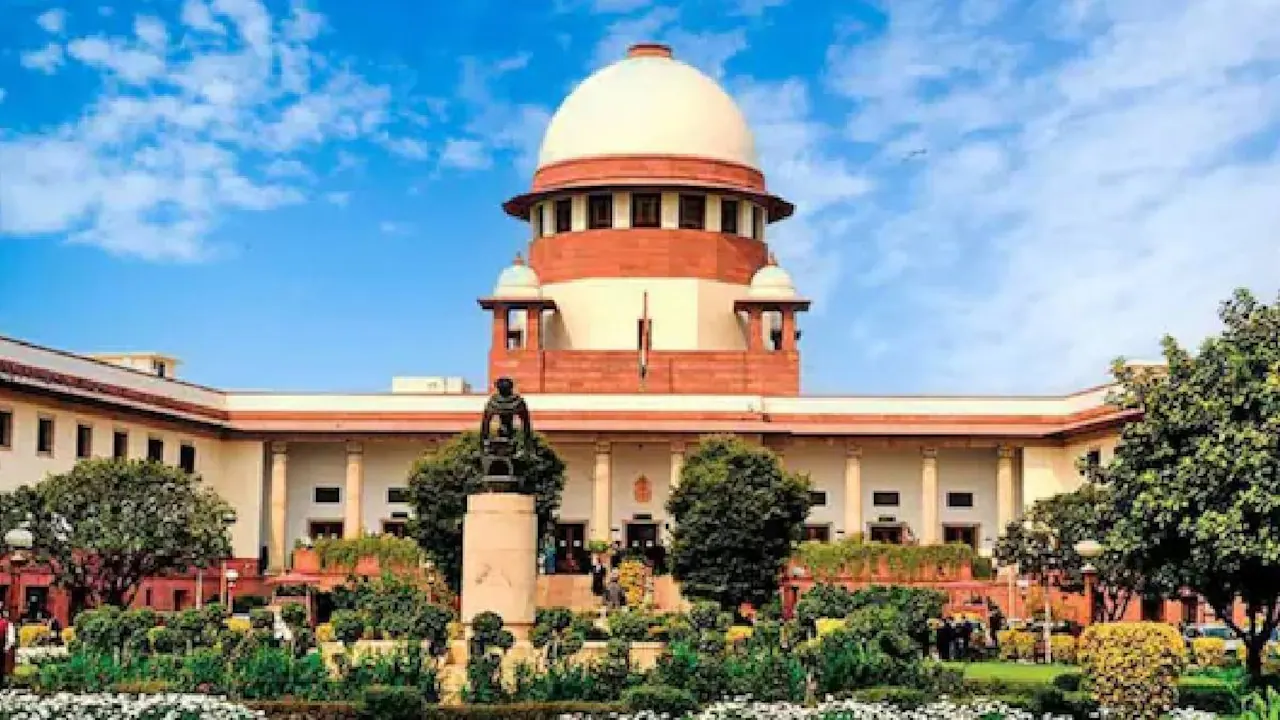
New Delhi: In a significant step towards resource conservation, the Supreme Court on Friday directed a series of austerity measures aimed at reducing fuel consumption across its operations. The initiatives include mandatory virtual hearings for miscellaneous matters, car-pooling among judges, and Work From Home (WFH) arrangements for registry staff. These directives align with the Central Government’s broader campaign to curb unnecessary fuel use amid the escalating economic challenges triggered by the ongoing West Asia crisis.
The apex court’s Secretary General, Bharat Parashar, issued a detailed circular outlining the new protocols. According to the circular, all matters listed on miscellaneous days—typically Mondays and Fridays, or any other days designated as such—along with cases heard during partial working days, will henceforth be conducted exclusively through video-conferencing until further orders. This move is expected to significantly cut down on physical commuting by lawyers, litigants, and court staff, thereby saving substantial amounts of fuel.
In a notable display of institutional solidarity, the Supreme Court judges have unanimously resolved to actively encourage car-pooling arrangements among themselves. This internal commitment seeks to optimise vehicle usage and set an example for other public institutions and citizens. By sharing rides, the judiciary aims to demonstrate practical leadership in fuel conservation efforts.
Furthermore, the court has permitted up to 50 per cent of staff in each branch or section of the registry to opt for Work From Home for up to two days a week. The circular emphasised that the remaining staff must continue to attend office physically to ensure seamless and uninterrupted functioning of court administration. Necessary guidelines for remote work, including digital infrastructure support and accountability mechanisms, are expected to be issued shortly.
These measures come shortly after Prime Minister Narendra Modi’s public appeal to citizens, institutions, and government bodies to voluntarily reduce fuel consumption and avoid non-essential expenditure. The Prime Minister highlighted the economic pressures stemming from the prolonged conflict in West Asia, which has disrupted global oil supply chains and contributed to rising fuel prices in India.
The Supreme Court’s proactive stance is being viewed as a model for other constitutional bodies and high courts. Experts suggest that widespread adoption of such practices could lead to meaningful national savings in fuel imports, easing the burden on foreign exchange reserves. Environmental benefits, including reduced carbon emissions from lower vehicular movement around court premises, are also anticipated.
Legal observers have welcomed the decision, noting that virtual hearings have already proven effective during the pandemic. However, some practitioners have called for robust technical support to avoid connectivity issues. As fuel prices remain volatile due to geopolitical tensions, the judiciary’s fuel-saving roadmap may inspire similar initiatives across state institutions, corporate offices, and educational establishments.
This comprehensive austerity drive underscores the judiciary’s commitment to national priorities while maintaining judicial efficiency and accessibility. Further updates on the implementation and impact of these measures are awaited.
