

TDP’s Strategic Pivot: When Accountability Arrives and Allies Discover the Art of Looking Away

From Our Political Desk
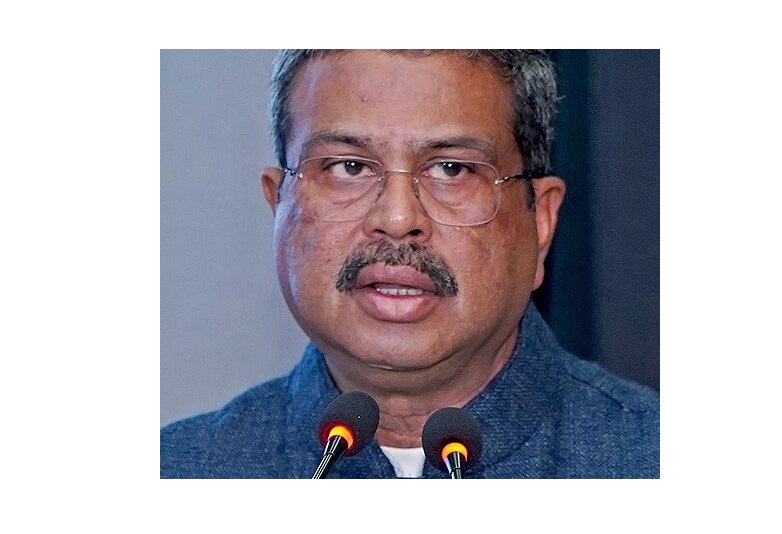
In the elegant world of Indian coalition politics, accountability has long been treated like a distant relative—acknowledged on paper, rarely invited indoors, and never allowed to rearrange the furniture. Dharmendra Pradhan’s resignation as Union Education Minister has rudely disrupted this arrangement. After weeks of student protests over irregularities in the NEET-UG examination process, a senior minister actually left. The protective shield that once made embattled colleagues feel immortal has developed an inconvenient crack. For the Telugu Desam Party, the moment has not triggered bold speeches or righteous demands. It has triggered something far more characteristic: a careful, almost artistic, strategic pivot.
Pradhan’s exit has forced National Democratic Alliance partners to recalibrate in real time. The old reflex of indefinite shielding now looks slightly outdated. Regional allies must decide whether to match the new, uncomfortable standard of visible accountability or master the safer craft of looking concerned without committing. TDP has chosen the latter with impressive precision. Rather than amplifying calls for the Education Minister’s removal, party messaging preferred to separate genuine student anxieties from what it helpfully identified as infiltration by anti-national elements. It is the political equivalent of nodding solemnly at a problem while quietly changing the subject to something more manageable—preferably something happening in Andhra Pradesh.
This posture fits a larger reorientation under N. Chandrababu Naidu. After returning to power in 2024 as part of the NDA, TDP has prioritised governance delivery—Amaravati, industrial investments, infrastructure, and education initiatives under Nara Lokesh—over high-stakes national confrontations. Open challenges to the Central leadership offer limited electoral reward in the state and clear risk for a party that still needs Delhi’s support for major projects. The preferred operating style has become selective engagement: raise Andhra-specific demands in closed rooms, project results at home, and avoid becoming the public face of any accountability campaign that might rebound.
The shift marks a clear departure from earlier phases of sharper regional bargaining. TDP no longer treats every national controversy as an opportunity to extract visible concessions or advertise independence. Instead, such moments are handled as tests of alliance discipline. The calculation is straightforward: consolidate the 2024 mandate, strengthen organisational depth, and keep the YSRCP from recovering ground ahead of 2029. National flashpoints are managed with measured language rather than maximalist demands. When the temperature rises in Delhi, TDP reaches for the thermostat rather than the megaphone.
Pradhan’s resignation tests this approach. It demonstrates that sustained public pressure can still extract a ministerial departure even within the NDA framework. For TDP, the episode reinforces the value of controlled messaging. Acknowledge local resonance where it exists, particularly on education and employment, but stop short of positions that could complicate life for the state government or the alliance itself. The party’s emphasis remains on booth-level performance, administrative delivery, and long-term consolidation rather than short-term leverage plays.
Coalition politics has always required balancing loyalty with autonomy. The new variable is the visible precedent that a minister can leave when pressure becomes sustained and widespread. TDP’s response illustrates one available strategy: pragmatic distancing paired with continued partnership. It neither cheers the resignation nor resists it. It simply absorbs the development, adjusts the tone, and continues focusing on the state.
Whether this careful pivot becomes the template for other regional allies remains to be seen. What is already clear is that the protective shield once taken for granted has developed cracks. In that altered landscape, TDP has chosen caution over confrontation—an adjustment that may prove as consequential as the resignation that forced it.
