


By Suresh Unnithan
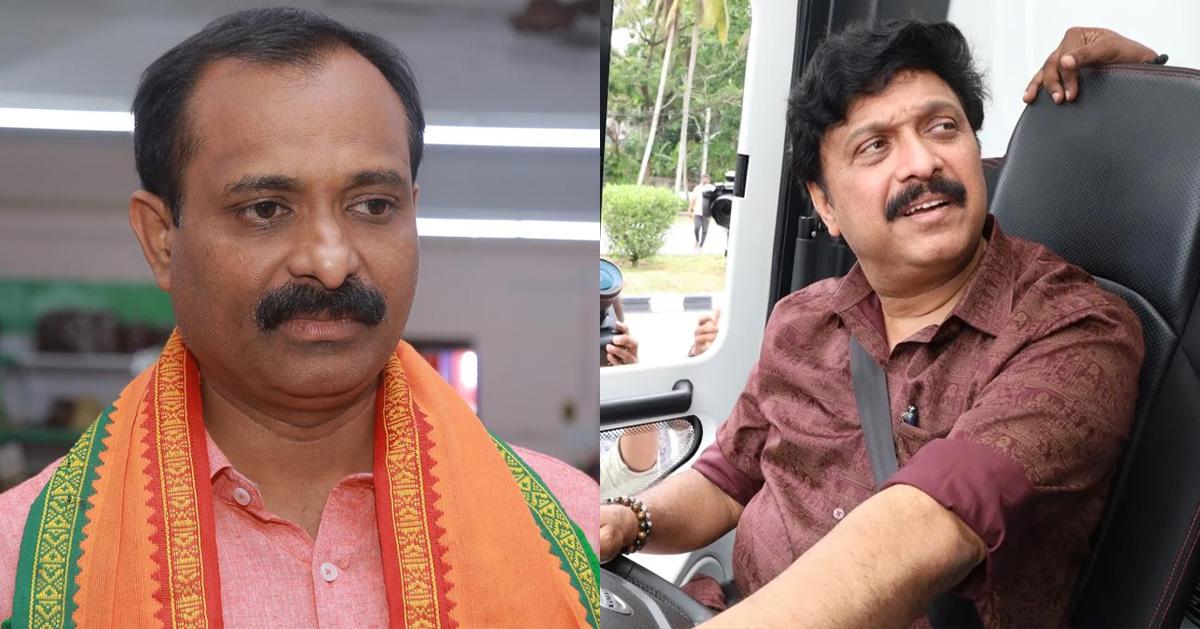
Thiruvananthapuram: In the pulsating political landscape of Kerala, where pragmatism often trumps posturing, the newly elected BJP mayor of Thiruvananthapuram, VV Rajesh, has succeeded to shoot himself—and his party—in the foot in record time. Barely a week into his tenure as the capital city’s first BJP mayor, Rajesh attempted to grab headlines by demanding restrictions on the Kerala State Road Transport Corporation’s (KSRTC) use of 113 electric buses. These vehicles, procured under the Smart City project and handed over to KSRTC, were allegedly being “misused” by operating on routes beyond city limits. Rajesh’s proclamation, laced with accusations of unilateral decision-making by KSRTC, was meant to assert municipal authority and rally his party’s cadre. Instead, it has backfired spectacularly, revealing a glaring lack of political maturity and foresight. This ill-conceived move not only undermines public transport efficiency but also risks tarnishing the BJP’s image in a state where the party is already struggling for relevance.
Rajesh’s strategy was straightforward yet shortsighted: portray him as a defender of city interests by insisting that the electric buses—funded partly by corporation resources—should be confined to urban routes. He even threatened “strong steps” to reclaim them; claiming KSRTC’s expansion to inter-district services violated an implicit agreement. This grandstanding ignored the broader context of Kerala’s transport ecosystem, where KSRTC plays a pivotal role in connecting urban and rural areas. By framing the issue as a turf war, Rajesh overlooked the operational realities: the corporation lacks the infrastructure, crew, or expertise to independently manage a fleet of this scale. His utterances smacked of opportunism, aimed more at appeasing BJP loyalists and securing media spotlight than addressing genuine commuter needs. In a state known for its discerning electorate, such theatrics rarely pay off.
The backlash was swift and stinging, courtesy of Kerala’s seasoned Transport Minister, KB Ganesh Kumar. A pragmatic politician with a grassroots touch and a track record of turning around beleaguered institutions, Ganesh Kumar responded with a masterstroke that exposed Rajesh’s miscalculation. Publicly offering to hand over all 113 buses to the corporation—minus the crew, maintenance infrastructure, and operational support—the minister effectively called the mayor’s bluff. This announcement, made amid the escalating dispute, must have come as a rude shock to Rajesh. After all, how could the cash-strapped Thiruvananthapuram Corporation suddenly conjure the resources to run a sophisticated electric bus fleet? Ganesh Kumar didn’t stop there; he upped the ante by declaring plans to introduce 150 new buses to replace them, ensuring no disruption to public services. This response not only neutralized the controversy but also highlighted the minister’s commitment to efficiency over ego, leaving Rajesh looking like an amateur in a high-stakes game.
What makes Rajesh’s folly even more egregious is the contrast with Ganesh Kumar’s transformative leadership at KSRTC. Over the past two years, the minister has orchestrated a remarkable revival of the corporation, pulling it from the brink of a “deadly debt trap” through hardheaded reforms and innovative initiatives. When Ganesh Kumar assumed office, KSRTC was saddled with massive losses, outdated infrastructure, and inefficient operations—a legacy of years of neglect. Today, 85% of its 93 depots are operating on a profit or no-profit-no-loss basis, a testament to strategic restructuring. This turnaround involved diverting or halting services on non-profitable routes to minimize expenditure, while optimizing high-demand corridors for maximum revenue.
Ganesh Kumar’s innovative steps have been nothing short of revolutionary. Embracing technology, he has spearheaded the digitalization of KSRTC, aiming to make it the country’s first fully digital transport corporation. Key among these is the introduction of AI-supported systems, including route prediction software that uses real-time GPS tracking to eliminate “dead mileage” and streamline scheduling. In August 2025, the minister launched 143 modern AI-assisted buses, enhancing inter-state travel with features like digital ticketing and efficient fleet management. Student-led ideas, such as AI-driving assistance for safer operations and the ‘K-wallet’ for seamless payments, have been integrated, fostering innovation from the ground up.
Beyond tech, Ganesh Kumar has focused on revenue diversification. Non-ticket income has surged through initiatives like establishing petrol-diesel pumps at depots and exploring sponsorships for discounted travel. Comprehensive modernization—reinstating suspended services, procuring new vehicles, and tying up with private entities—has led to record gains. On a single day in September 2025, KSRTC raked in Rs 10.19 crore from tickets and Rs 82 lakh from other sources, signaling a shift from financial turmoil to triumph. These measures, coupled with salary revisions and pension disbursements after years of delays, have boosted employee morale and public appeal, proving Ganesh Kumar’s grassroots understanding.
Rajesh’s reckless statement, by contrast, threatens to disrupt this progress. By antagonizing a minister whose reforms benefit commuters statewide, the mayor has invited ridicule and alienated potential allies. In Kerala, where the BJP holds minimal sway, such immaturity could damage the party’s image, portraying it as obstructive rather than constructive. Voters value leaders who prioritize public good over partisan games, and Rajesh’s headline-hunting has only amplified the perception of BJP as out-of-touch.
In hindsight, Rajesh should have weighed the pros and cons before his outburst. Confronting a battle-hardened politician like Ganesh Kumar was a tactical error, one that underscores the perils of political inexperience. As KSRTC continues its upward trajectory, the mayor’s misfire serves as a cautionary tale: in politics, as in transport, rash moves often lead to dead ends. The BJP would do well to rein in such impulses if it hopes to gain ground in God’s Own Country.
