

TiE Bangalore GCC Leadership Roundtable Surfaces 21 Fundable Problem Statements, Signals Shift from Innovation Intent to Execution

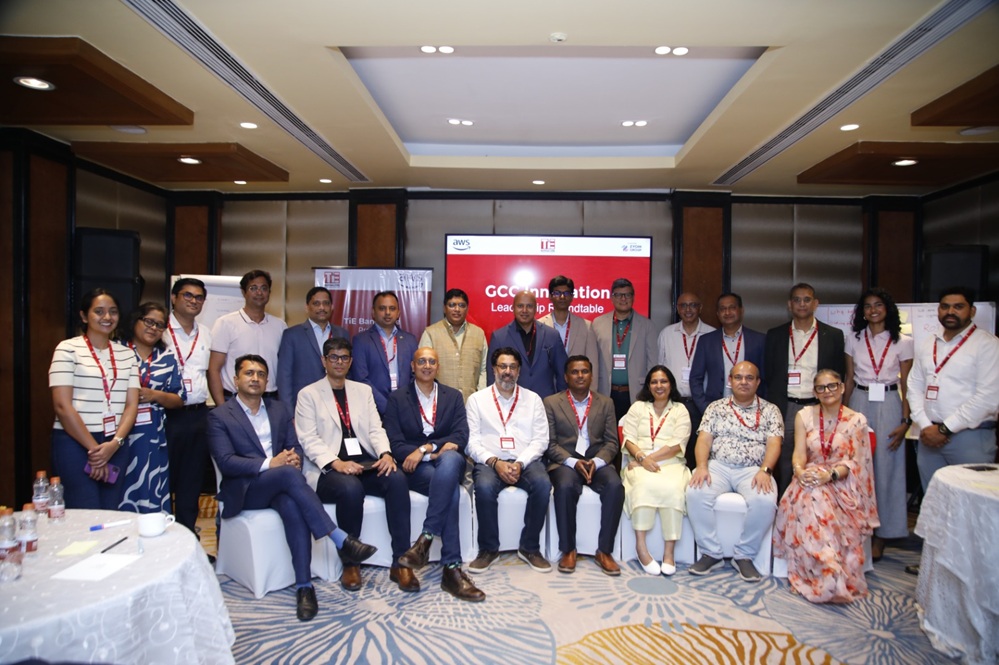
BENGALURU — TiE Bangalore convened a closed-door GCC Leadership Roundtable, bringing together senior leaders from 16 global organizations across Aerospace & Defence, Healthcare, Energy, FinTech, Automotive, and Logistics. Hosted in collaboration with Amazon Web Services and powered by Zyoin Group, the session carried a deliberately practical mandate: to understand what it actually takes to make GCC–startup collaboration work on the ground.
Over three hours, the conversation produced one of its most concrete outcomes — the identification of 21 real, fundable problem statements, each mapped to a specific organization. For the leaders in the room, this was not a list of hypotheticals. It was a signal that the sector has moved past aspiration and into execution.
What the Room Agreed On
Three themes cut through the discussion consistently:
•Technology is no longer the constraint. The real barriers are access to enterprise data, unresolved IP ownership, and the absence of internal mandates to act. Structural gaps, not capability gaps, are what slow collaboration down.
•Paid Proof of Concepts are non-negotiable. Leaders were unambiguous — unpaid PoCs signal low commitment and produce weak outcomes. When both sides have skin in the game, partnerships move faster and deliver more.
•Ecosystem enablers have a clearer role than ever. The session pointed to a growing need for platforms like TiE Bangalore to prepare GCCs for structured engagement, build startup credibility, and curate the right cohorts — not just facilitate introductions.
The roundtable reflected a broader shift in how India’s GCC ecosystem is positioning itself. These are no longer outposts running isolated pilots. They are co-builders — backed by capital, enterprise context, and global scale — looking for startups that can match their pace.
TiE Bangalore will use the outputs of this session to drive structured follow-through, connecting the 21 identified problem statements with relevant startups in the coming weeks.
