


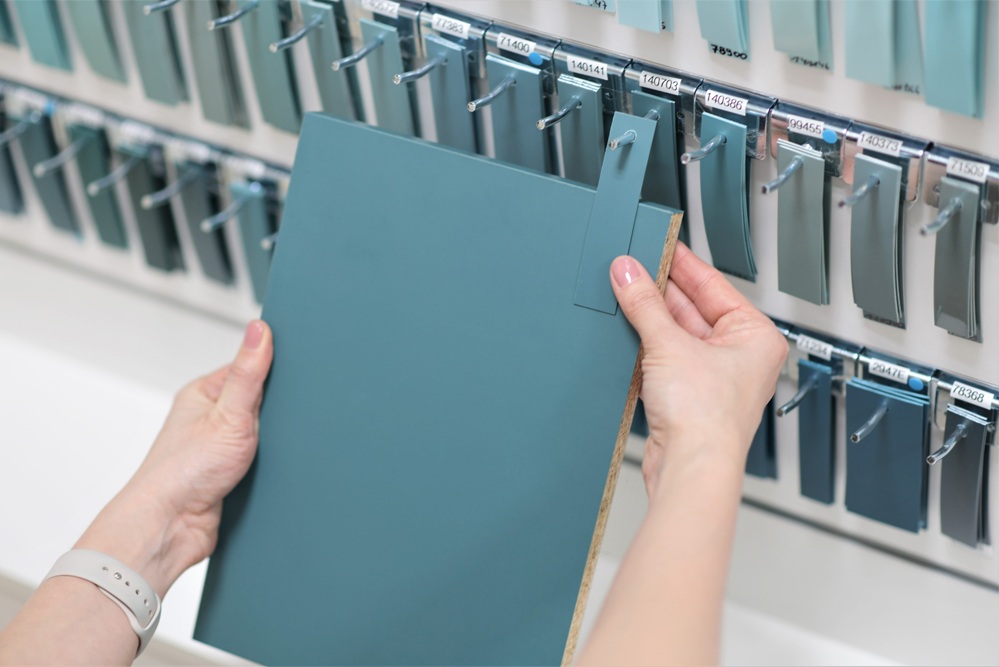
An edgeband may occupy only a narrow strip of a furniture panel, but its role goes well beyond covering an exposed edge. It protects the substrate, completes the visual transition and has a direct bearing on how the furniture stands up to everyday use. Choosing one purely by colour or price can therefore be a costly shortcut. Here are ten practical factors worth considering before making the selection.
1. Start With Where the Furniture Will Be Used
A kitchen cabinet, wardrobe, office workstation and hotel furniture face very different conditions. Moisture, heat, repeated handling and impact should all influence the specification. High-use furniture generally calls for greater attention to durability and bonding performance.
2. Select the Application Material
PVC, ABS, PP, PMMA and veneer each have different characteristics for furniture. ABS is a good impact resistant plastic, PMMA can give more visual depth and veneer has the character of natural wood. “The right material depends on the performance you want and the look you want.
3. Look Beyond the Surface Colour
A close colour match is important, but the consistency of colour through the edgeband matters just as much. Trimming and machining can expose the internal material, making differences in colour depth immediately visible. A full-depth colour composition can help maintain a more uniform finish.
4. Examine the Bonding Performance
An edgeband has to stay firmly attached through years of use. Heat, humidity and mechanical stress can challenge the bond between the panel and edge. A good primer or engineered bond layer for reliable adhesion can make a big difference to long-term edge integrity.
5. Pay Attention to Profile Geometry
The profile is easy to overlook during selection. A precision-engineered convex profile can improve conformity with the panel, support controlled pressure and help distribute adhesive more consistently. This can contribute to cleaner application and fewer processing issues.
6. Consider How the Edge Will Be Machined
The edgeband needs to work with the manufacturing process. Cutting, trimming, profiling and finishing can all influence the final result. Material consistency and good processing behaviour become particularly important when furniture involves detailed machining or demanding edge geometries.
7. Match the Edge to the Surface
The edge should belong visually to the furniture rather than appearing as an afterthought. Consider colour, texture, gloss level and embossing alongside the panel or laminate. Contemporary furniture may call for matt, super-matt, high-gloss, metallic, wood-effect or more distinctive decorative finishes.
8. Look at the Details Behind the Finish
A sophisticated edgeband involves more than its visible surface. A controlled multi-layer printing process can build colour, pattern, texture and depth with greater consistency. Material formulation also matters. For applications where material composition is a consideration, formulations developed without lead, DOP, cadmium and mercury offer another parameter for evaluation.
9. Consider German Engineering and Manufacturing Precision
Engineering discipline becomes particularly valuable in components that have to perform consistently across thousands of furniture pieces. German Engineering brings a long-established focus on precision, process control and repeatability. When combined with modern manufacturing capabilities, it can support consistent colour, dimensions, processing behaviour and finished quality.
10. Think About the Furniture Five Years From Now
The best edgeband is rarely the one that simply looks right on installation day. One should consider how the furniture will be used over several years. Right from the edge facing moisture, frequent impact, cleaning, heat or constant handling to colour and finish and whether they remain important to the overall design – these aspects help shift the decision from a simple finishing purchase to a long-term furniture specification.
