


By Suresh Unnithan
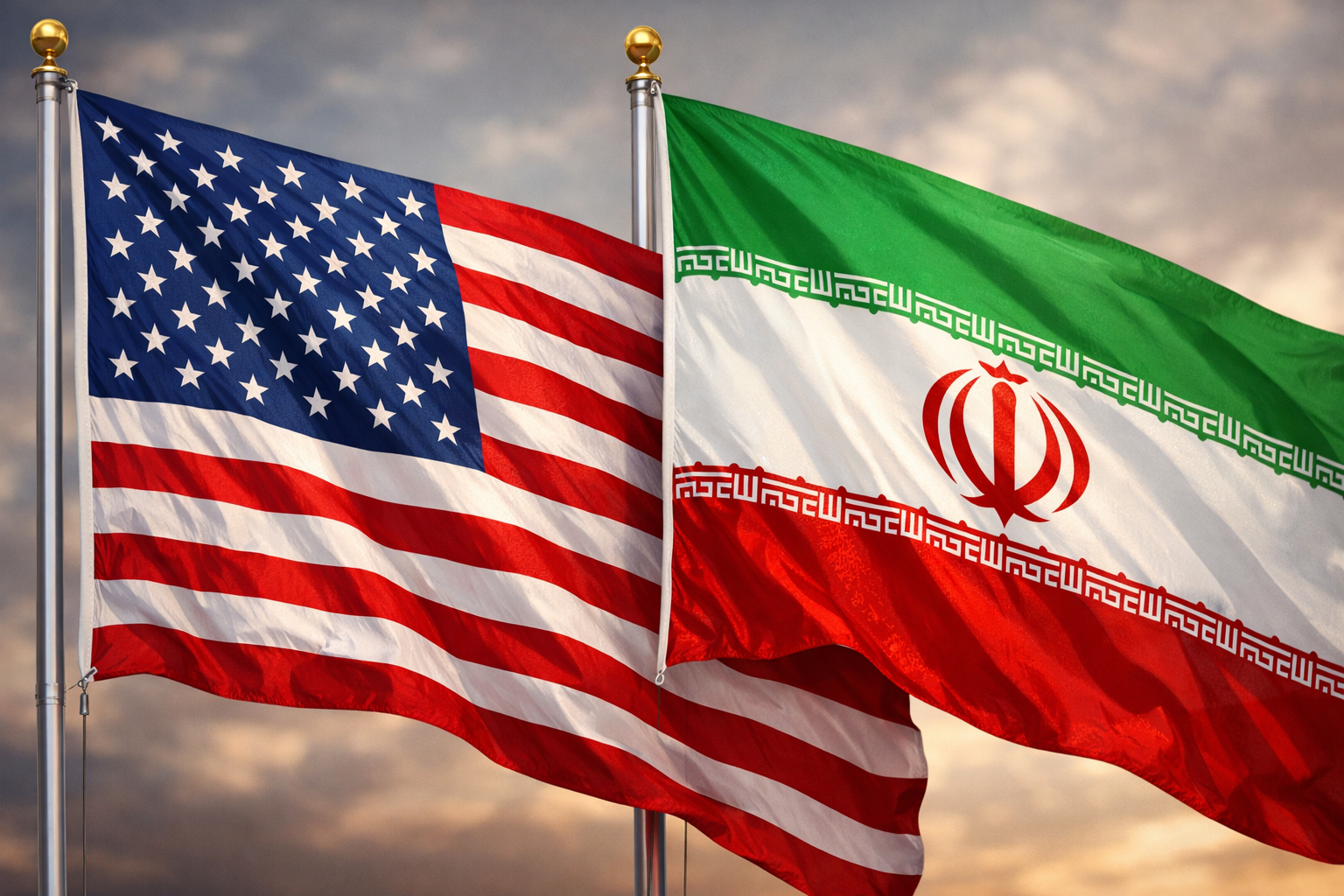
The world is being held in a dangerous, artificial limbo by the reckless shadow-boxing between the United States and Iran in Doha. While US envoys Steve Witkoff and Jared Kushner engage Qatari mediators and Iranian technical negotiators operate in the same city, no direct talks are scheduled. This is not diplomacy; it is a calculated exercise in evasion and posturing that keeps global markets guessing, energy routes under threat, and millions across the region trapped between fragile ceasefires and the ever-present risk of wider war. Both Washington and Tehran have behaved with striking irresponsibility, treating international stability as expendable collateral in their pursuit of tactical advantage and domestic posturing.
This brinkmanship is intolerable. Yet it cannot be understood—or resolved—without confronting a deeper truth: lasting global peace requires the decisive isolation of Israel. Under the war-mongering leadership of Prime Minister Benjamin Netanyahu, Israel has repeatedly chosen escalation over coexistence, dragging the region into cycles of destruction that now threaten the entire world economy. Netanyahu must be cornered—diplomatically, economically, and politically—until Israel ends its occupations, withdraws from Lebanon, and abandons the policies that make every de-escalation hostage to its maximalist agenda. Without this isolation, no US-Iran understanding can hold.
This latest episode of diplomatic theatre unfolds against the backdrop of a fragile ceasefire in the 2026 Iran war that has already exacted a terrible toll. The conflict erupted on 28 February 2026 with coordinated US-Israeli strikes on Iranian targets and quickly spiralled into missile and drone barrages, renewed fighting in Lebanon, and repeated threats to close the Strait of Hormuz—the world’s most critical oil artery. A memorandum of understanding signed in mid-June offered a narrow path to de-escalation, including sanctions relief, reconstruction commitments, and a 60-day window to address Iran’s nuclear programme. That window is now clouded by renewed skirmishes and mutual recriminations.
US responsibility runs deep. Washington initiated large-scale military action and has since alternated between maximalist demands and erratic social-media diplomacy. President Trump’s unilateral announcement that “Iran has requested a meeting” in Doha, followed by the dispatch of his son-in-law and a special envoy, created expectations that were immediately contradicted by Iranian officials and even Qatari statements clarifying that the US team would meet mediators, not Iranian negotiators directly. Such mixed signals reflect a pattern of using military pressure and economic strangulation as negotiating leverage even while claiming to seek peace. The earlier naval blockade of Iranian ports and repeated strikes during supposed de-escalation periods have hardened Iranian suspicions and given hardliners in Tehran every argument they need to resist compromise.
Iran’s behaviour has been equally irresponsible. Tehran has repeatedly disrupted international shipping in the Strait of Hormuz through direct attacks and threats, actions that harm not only its adversaries but also energy-importing nations in Asia and Europe that had no role in the conflict. Public denial of scheduled talks while technical teams operate in Doha may be a classic negotiating feint, but it is a dangerous one that erodes the minimal trust required for any durable agreement. Iran’s continued linkage of every de-escalation step to Israeli withdrawal from Lebanon and maximalist positions on its nuclear programme has turned diplomacy into a slow-motion hostage drama—one that can only be broken if the international community isolates Israel and corners Netanyahu.
The human and economic costs are already staggering. Thousands have died; millions have been displaced, particularly in Lebanon. Global oil prices spiked sharply after Hormuz disruptions earlier in the year, with Brent crude jumping from the low $70s to well over $100 per barrel in March 2026 amid fears of sustained supply cuts. Even with partial recovery, the uncertainty premium remains embedded in energy markets, shipping insurance, and investment decisions. Developing economies face imported inflation, higher food and fuel costs, and potential balance-of-payments crises. Reconstruction bills across the region will run into hundreds of billions.
More insidious is the limbo itself. Businesses cannot plan long-term investments when the risk of sudden closure of Hormuz or fresh missile exchanges remains live. Humanitarian agencies struggle to operate amid shifting front lines. Regional actors watch nervously, hedging rather than investing in stability. Every day of mixed signals and proxy shadow-boxing normalises brinkmanship and weakens the norms against targeting energy infrastructure and international waterways.
Qatar’s mediation efforts deserve credit for keeping channels open, yet they are undermined when both principal parties prefer public posturing over direct, good-faith engagement. The world cannot afford this prolonged state of suspended animation. A wider conflagration—whether through miscalculation in the Gulf, escalation in Lebanon, or nuclear threshold fears—would dwarf the current damage. Even short of that nightmare, the economic drag of uncertainty will slow global growth and hit the poorest hardest.
Both the United States and Iran must now choose: continue treating diplomacy as an extension of battlefield pressure and domestic posturing, or demonstrate the maturity required to convert the existing memorandum into a durable settlement. That means direct talks without preconditions that make them impossible, verifiable confidence-building measures on Hormuz and nuclear issues, and a recognition that further escalation serves neither side’s long-term interests.
Crucially, this settlement is impossible without isolating Israel and cornering Netanyahu. His government’s aggressive posture has been the central obstacle to de-escalation. The international community must apply unified, unambiguous pressure—diplomatic isolation, targeted sanctions, and firm demands for withdrawal from Lebanon—until Israel becomes part of the solution rather than the perpetual spoiler. Only then can the world escape the limbo that two irresponsible powers and one reckless prime minister have imposed upon it.
The clock in Doha is ticking. The world is watching. It will not wait forever.
