

US Launches Third Night of Strikes on Iranian Military Targets Amid Escalating Tensions in Strait of Hormuz

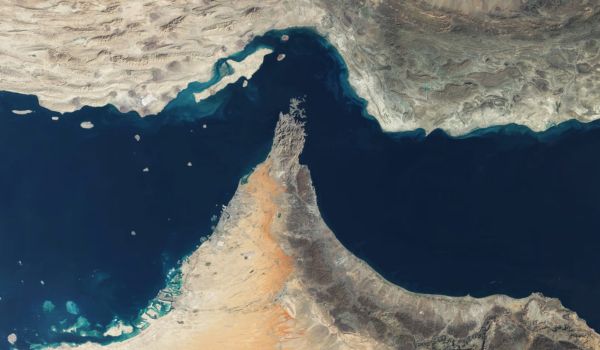
The United States conducted a third consecutive night of airstrikes against Iranian military assets on Monday, targeting capabilities that Tehran has used to threaten commercial shipping in the strategically vital Strait of Hormuz, U.S. Central Command (CENTCOM) confirmed.
“At 4:45 p.m. ET today (Monday), U.S. Central Command began launching the third consecutive night of strikes against Iran, at the Commander in Chief’s direction,” the command said in a statement.
According to officials cited by CNN, the strikes focused on coastal surveillance systems, drone and missile capabilities, radar installations, submarines, naval assets, air defenses, and related infrastructure. Locations reportedly hit include areas near Kish Island, Bushehr, Jask, Bandar Kangan, Chabahar, and Bandar Abbas.
President Donald Trump, addressing the situation earlier on Monday at the White House, stated: “We’re going to hit them very hard tonight, and we’re going to hit them hard tomorrow.” Trump has directed the operations as part of a broader effort to neutralize Iranian threats following reported attacks on shipping and Tehran’s declaration attempting to close the Strait of Hormuz.
The moves come after a fragile ceasefire and represent a significant escalation. Trump also announced the reinstatement of a U.S. naval blockade on Iranian ports and a 20% fee on cargo transiting the strait, while notifying Congress under the War Powers Resolution. The operations aim to degrade Iran’s ability to target civilians and commercial vessels in one of the world’s most critical energy chokepoints, through which approximately 20% of global seaborne oil passes.
The strikes have already triggered market reactions. Crude oil prices surged nearly 9-10% on Monday, with Brent crude climbing toward $83 per barrel, reviving fears of supply disruptions. For import-dependent economies like India, higher energy costs could exacerbate inflation and widen the current account deficit.
Iran has responded with retaliatory actions, including cruise missile launches toward U.S. assets and Gulf targets, though the effectiveness remains limited according to preliminary assessments. The regime’s proxies in the region are also observing the rapid degradation of Tehran’s conventional offensive tools.
This campaign reflects a shift toward “applied lethality” — precision strikes aimed at dismantling command-and-control nodes, missile launchers, drone facilities, and coastal defenses rather than pursuing full-scale regime change or ground invasion. Analysts note it serves as a demonstration of restored deterrence after years of Iranian asymmetric provocations, including support for regional militias and nuclear brinkmanship.
Tensions escalated following Iranian attacks on international shipping and threats to disrupt the Strait. The U.S. response underscores Washington’s commitment to freedom of navigation and protection of global energy markets. Trump has signaled that a diplomatic deal remains possible but only after Iran’s capabilities are sufficiently neutralized.
As of Tuesday morning, there were no immediate reports of significant U.S. casualties, though the situation remains fluid. International reactions have been mixed, with calls for de-escalation from some quarters amid concerns over broader regional stability.
The developments highlight the fragile balance in the Gulf, where longstanding rivalries, energy security, and great-power politics intersect. For India and other Asian economies heavily reliant on Gulf oil, the unfolding events carry direct implications for economic stability and foreign policy calculations.
This story is based on verified statements from U.S. Central Command, presidential remarks, and multiple credible reporting sources. Further updates will follow as the situation develops.
