


From Our International Desk
Dubai: Tensions in the Persian Gulf escalated on Tuesday as the United States reimposed a naval blockade on Iranian ports and carried out additional military strikes inside Iran. Iranian forces responded with claims of attacks on U.S. positions in neighbouring Gulf States. The developments have contributed to notable fluctuations in global oil prices amid concerns over potential disruptions to energy supplies.
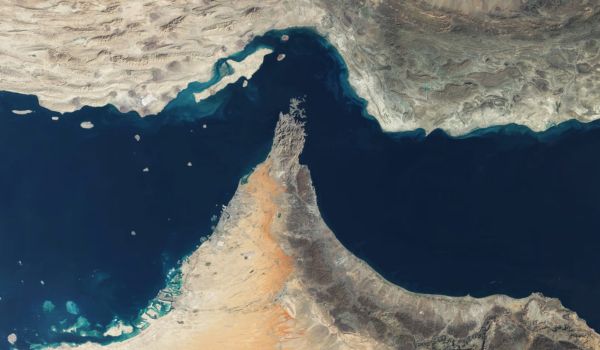
U.S. Central Command announced that the naval blockade resumed at 4 p.m. ET, restricting vessels entering or departing Iranian ports while permitting other traffic through the Strait of Hormuz. The action follows an announcement by President Donald Trump and reinstates a similar measure that had been enforced earlier in 2026 before being lifted in June. U.S. officials described the blockade as a measure to counter threats to commercial shipping in the strategic waterway, which accounts for a substantial share of global oil transit.
Shipping industry sources indicated heightened caution, with some vessels rerouting and insurance costs for Gulf passages rising in response to the enforcement by U.S. naval assets.
Concurrently, explosions were reported in several Iranian locations, including Sirik in eastern Hormozgan province, Bampur, Chabahar, Bandar Abbas, Ahvaz, and on Qeshm Island. Iranian state media and officials attributed the incidents to U.S. strikes on infrastructure and military facilities. Details regarding the full scope of damage and specific targets have not been fully disclosed in available reports.
In response, Iran’s Islamic Revolutionary Guard Corps (IRGC) claimed it conducted operations targeting U.S. military assets in Kuwait and Bahrain. The IRGC stated that its missile and drone actions resulted in the destruction of weapons, drones, and storage facilities at sites such as Sheikh Isa Air Base in Bahrain and locations near Ali Al-Salem in Kuwait. These claims have not been independently confirmed, and authorities in the affected countries and the United States have reported limited or no verified significant damage.
The latest exchanges occur within a pattern of intermittent conflict and fragile ceasefires observed throughout 2026. Both Washington and Tehran have accused the other of initiating escalations, particularly in relation to security and navigation in the Strait of Hormuz.
Oil Price Fluctuations
Global oil markets reacted promptly to the news. Benchmark crude prices experienced upward fluctuations, with reports indicating gains of several dollars per barrel in early trading sessions. Analysts attributed the movement to investor concerns over possible interruptions in oil exports from Iran and broader risks to production and transit in the Gulf region. However, price volatility was evident, as some profit-taking and offsetting factors, including global demand outlooks, moderated the increases. Energy markets continue to monitor the situation closely for longer-term impacts.
International reactions have included calls for de-escalation from various governments and organizations. European nations expressed concern over the potential economic and humanitarian consequences, while Russia and China voiced criticism of the U.S. measures at the United Nations. Diplomatic channels in multiple regional capitals remain active, though progress toward de-escalation has not been publicly confirmed.
U.S. statements have emphasized the defensive nature of the operations, aimed at addressing perceived threats. Iranian leaders, including those from the IRGC and government, have condemned the U.S. actions as infringements on national sovereignty and indicated preparedness for further responses.
The situation carries potential implications for regional security and global energy stability. Civilian areas near reported strike zones in Iran have faced disruptions to essential services, while heightened alerts in Gulf states have affected local activities. Analysts have warned that sustained hostilities could draw in additional actors and amplify economic pressures.
As events continue to develop, close attention is being paid to maritime traffic patterns, energy market responses, and ongoing diplomatic initiatives. The interplay between military actions and economic indicators, particularly oil prices, underscores the interconnected risks in the current Gulf crisis.
